When Robert Redford reflects on the decades he spent beside Paul Newman, his voice sometimes softens, the weight of memory settling over every word. Their friendship wasn’t built on movie sets or studio deals alone — it was forged through trust, loyalty, and a shared belief in the power of art to change more than just box office numbers.
A Meeting of Kindred Spirits
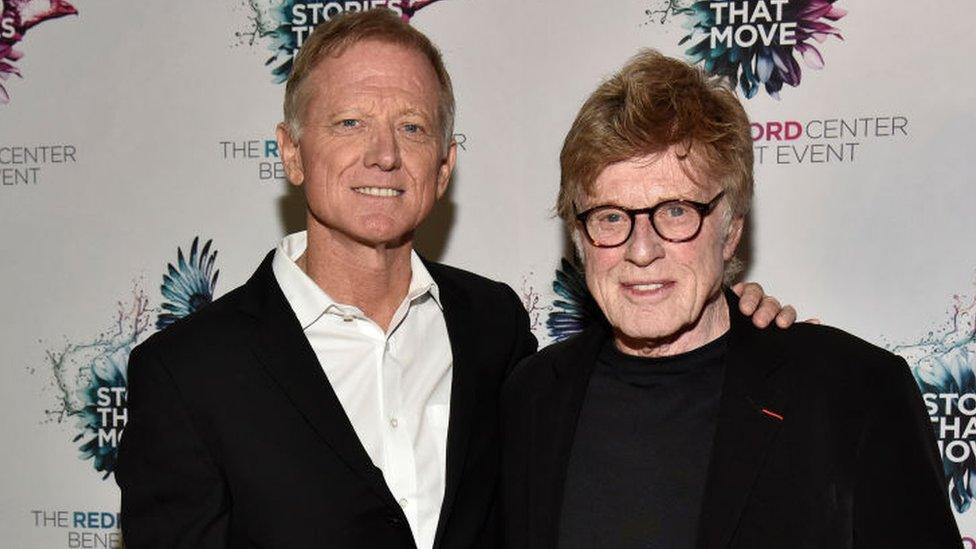
Redford and Newman first crossed paths in Hollywood’s golden era, when the movie industry both dazzled and disillusioned. Newman, already a star with a fierce intellect and a quiet smile, recognized in Redford a kindred hunger — not for fame, but for meaning. Redford often recounts how Newman refused to be idolized; instead, he pushed his friends to be better — as artists, as humans, as people who mattered beyond their awards.
Newman’s support of Redford’s early directorial efforts was more than encouragement — it was affirmation from someone who understood the gravity of stepping behind the camera. When Redford launched Ordinary People, Newman was one of the first to praise its emotional courage. Their conversations ranged from filmmaking to politics, from disappointment to idealism, and in every exchange, their mutual respect deepened.
Loyalty in the Face of Change
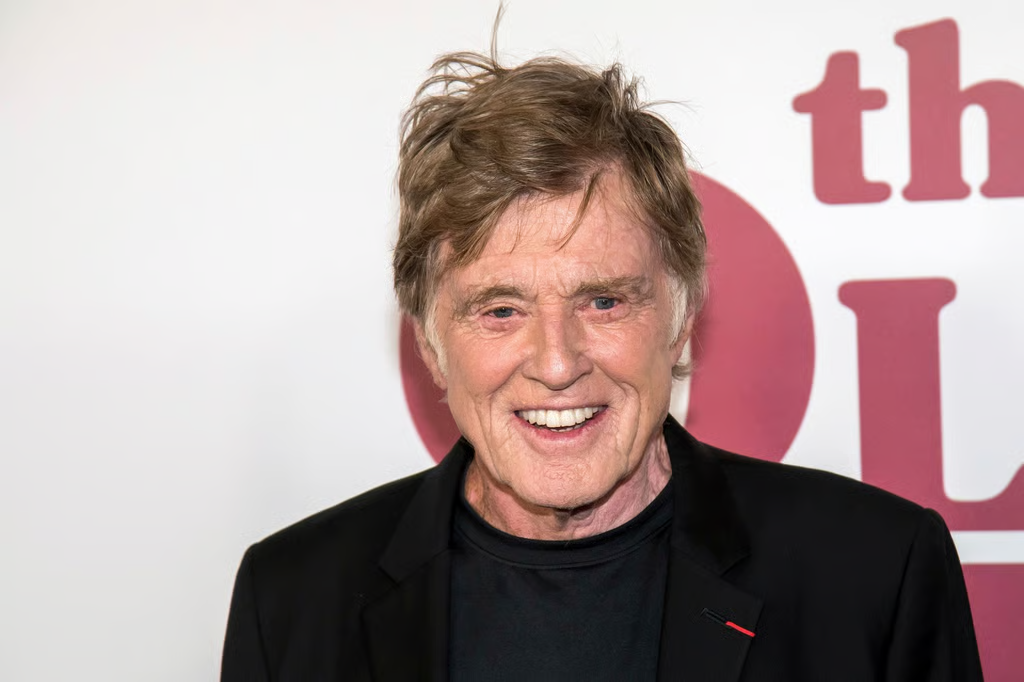
Hollywood changes fast. Careers rise, alliances shift, public tastes evolve. But Redford and Newman’s friendship stood the test of time. As Redford grew into a founding force for Sundance and advocacy for environmental causes, Newman likewise expanded his legacy with charitable efforts like Newman’s Own. They were public figures with private convictions, and they valued each other’s integrity more than box office success.
In interviews, Redford often recalls how, in moments of self-doubt, he would think of Newman’s quiet confidence. Newman never offered hollow praise; he offered truth. When Redford questioned his path or felt the weight of expectations, Newman’s steady presence reminded him that art wasn’t about applause — it was about resonance, message, heart.
The Lasting Imprint
After Newman’s passing in 2008, Redford’s stories shifted in tone — from “he is my friend” to “he was my friend.” That shift carried sorrow, but also gratitude. In public remarks, Redford has often spoken of the hole Newman left behind — not just in his life, but in the lives of countless others who saw in their friendship a model of creativity grounded in compassion.
Redford once said that friendship is like a film: the footage lives on, even when the voices go silent. So when he looks back now, perhaps he sees Newman in better light than ever — a friend who taught him how to age with purpose, how to remain curious, and how to care deeply even when the world pushed you to harden your heart.
Why the Bond Still Moves Us
What still resonates today is not just the fame of Redford and Newman, but what they showed us friendships could be: a place for challenge, for laughter, for critique, for unconditional support. In an industry built on image and competition, their alliance was a quiet rebellion. They didn’t have to prove their value to each other; they already knew.
And perhaps that’s why, whenever Redford speaks of Paul Newman, he does it not with nostalgia, but with longing. Because some friendships don’t end with death — they echo forward, shaping how we live, how we love, how we face the world with boldness and tenderness.