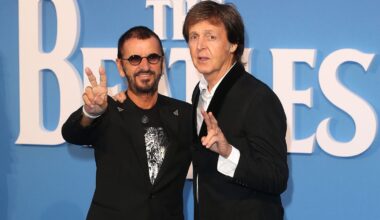
In the annals of rock history, few moments shine as brightly as The Beatles’ rooftop concert on January 30, 1969. Set atop the Apple Corps building at 3 Savile Row in central London, this impromptu performance marked both the zenith of The Beatles’ creative journey and the dawn of their final chapter as a band.
By 1969, tensions simmered within the group, and they had long bid farewell to touring. Yet, amidst the backdrop of recording sessions for the “Let It Be” album, the idea for a rooftop concert emerged—an ode to their rock ‘n’ roll roots and a departure from the studio’s confines.
With the addition of Billy Preston on keyboard, The Beatles launched into a 42-minute set, belting out renditions of classics like “Get Back” and “Don’t Let Me Down.” The unsuspecting lunchtime crowd below and the surrounding office workers became unwitting witnesses to this electrifying spectacle.
But as the music soared, so did the commotion. Noise complaints drew the attention of the police, cutting short the performance and adding an air of rebellion to the affair. The scene, immortalized in the “Let It Be” documentary, encapsulated the band’s swan song—a defiant yet bittersweet farewell to public performances.
The legacy of the rooftop concert endures as a symbol of artistic freedom and the tumultuous end of an era. Referenced and recreated across various media, it stands as a testament to The Beatles’ enduring impact on popular culture. For fans and musicians alike, the rooftop concert remains a beacon of innovation and a poignant reminder of the band’s unparalleled legacy.