On a crisp evening in 1967, television sets across America flickered to life for a rare broadcast: “A Man and His Music + Ella + Jobim.” Amidst celebrated performances by Frank Sinatra and Ella Fitzgerald, one duet quietly rose above the rest — the storied “The Girl from Ipanema,” sung by Sinatra alongside Brazilian composer Antonio Carlos Jobim, conducted with luminous arrangements by Claus Ogerman.T
A Meeting of Legends and Styles
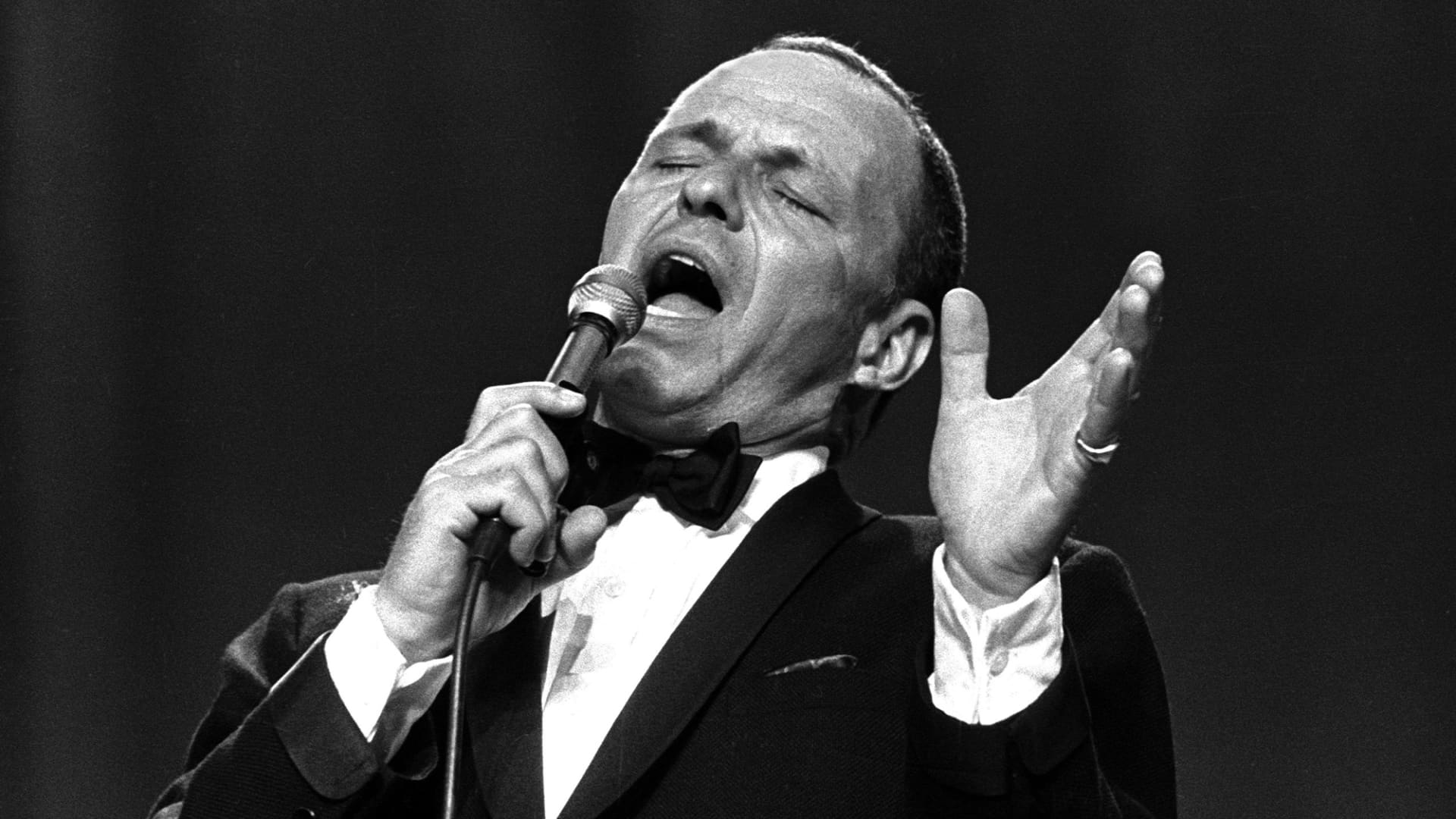
Frank Sinatra, often revered as “Ol’ Blue Eyes,” had already reinvented his sound by embracing bossa nova through his collaboration with the gentle maestro Jobim. In March 1967, they recorded the album Francis Albert Sinatra & Antônio Carlos Jobim, blending American pop with Brazilian sophistication — a fusion rarely seen but deeply admired.
On that cushioned TV stage, framed by lights and live orchestra, they delivered a version of “The Girl from Ipanema” that was more than a song — it was an intimate conversation between worlds. The soft sway of Rio’s beaches met the cool elegance of Sinatra’s phrasing, orchestrated by Ogerman’s sensitive touch.
A Whisper That Echoed Across Decades

Witnesses say the performance unfolded with a rare kind of beauty: the melody’s Brazilian warmth combined with Sinatra’s emotive tone created a moment that felt timeless and tender. It wasn’t just entertainment — it was poetry set to music. Jobim’s delicate piano and subdued vocals barely half-whispered, yet filled with longing. Sinatra’s voice, rich and warm, carried the bittersweet weight of nostalgia
The audience — both in the studio and at home — remained utterly spellbound. There were no flashy gestures or pyrotechnics, only the quiet resonance between men whose music, though different in origin, found harmony in each other’s hearts.
The Legacy Lives On
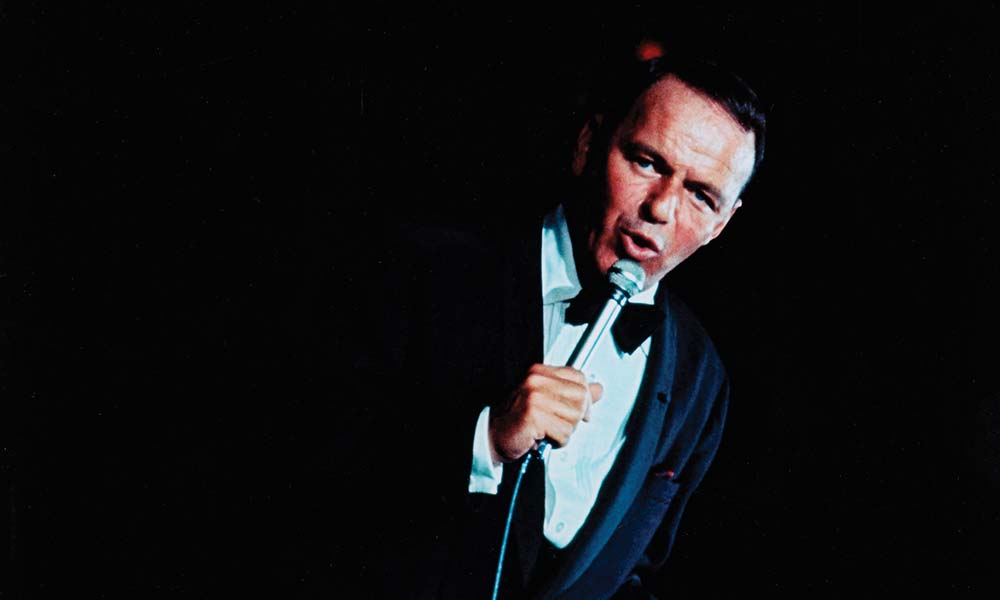
This duet helped immortalize “The Girl from Ipanema” as one of the most recorded songs in music history — second only to “Yesterday” by The Beatles. The song’s inclusion on the Sinatra–Jobim album elevated it from sultry coolness to exotic elegance in the global pop repertoire.
Years later, fans and critics still return to this clip — drawn by the sight of two giants sharing a quiet stage and making the world lean closer to listen. Interviews confirm what was evident in their voices: Sinatra and Jobim respected each other deeply, and the music they created that night felt like a gift — both gentle and profound.