Bruce Springsteen has never shied away from using his music and platform to address social and political issues. Now, on his latest tour, he’s made one figure a recurring target: Donald Trump. What began as sharp criticism during concerts has turned into a more pointed narrative both onstage and off.
In a recent interview with The New York Times, conducted before the tour began, Springsteen reinforced his position by calling the Trump era “an American tragedy.” That tone has carried over into his carefully curated setlists and nightly speeches, woven into the core of his performances.
Though Springsteen’s outspokenness has drawn the ire of Trump himself, it hasn’t slowed him down. If anything, the pointed response—Trump publicly warning him to “KEEP HIS MOUTH SHUT”—has only deepened the singer’s resolve to keep speaking.
A Setlist with a Message
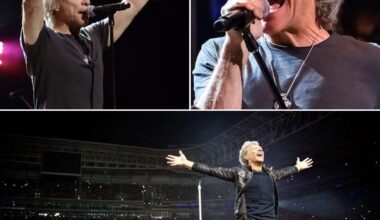
When Springsteen hit the stage in Manchester on May 14th, the tone was set early. His setlist was not just a collection of hits but a political statement, curated to reflect what he described as “our current situation.” Songs like “My City of Ruins” painted a portrait of a fractured nation, with verses evoking boarded-up streets and human despair.

Before launching into that track, Springsteen delivered a three-minute monologue directly criticizing Trump and what he represents. It was a raw, unfiltered moment—one that stood in contrast to the high-energy rock shows many expected but was welcomed by fans who saw it as a necessary act of resistance.
Each night on tour, the pattern has continued. The music speaks, but Springsteen’s voice—steady, disillusioned, yet hopeful—cuts through the noise. It’s a concert, yes, but also a declaration of values.
The Roots of a Crisis
Springsteen didn’t just attack Trump’s actions—he traced the conditions that made a Trump presidency possible. In his view, decades of deindustrialization and soaring wealth inequality left swaths of Americans feeling forgotten and angry. This, he says, created fertile ground for a “demagogue.”
He admitted disbelief that Trump specifically became that figure, calling him “this moron” in the same breath as explaining how his rise made sense. Still, Springsteen warned that what the U.S. has witnessed over recent years—threats to democracy, social division, authoritarian rhetoric—was once thought impossible in America.
Yet, here we are, he said—witnessing a country in a state he once thought unimaginable. It’s this tension between disbelief and reckoning that defines both his recent interviews and his musical choices on tour.
A Message of Hope and Loneliness
Despite the dark political commentary, Springsteen still closes his monologue with hope—often quoting James Baldwin: “There isn’t as much humanity as one would like, but there’s enough.” For Springsteen, that thread of hope is rooted in America’s democratic history, which he believes will ultimately prevail.
He elaborated that the country has no foundational ties to autocracy and that democracy, even if threatened, is ingrained in the national fabric. “Let’s knock on wood,” he added, with a cautious optimism that things will shift back toward balance.
Even with this hope, Springsteen acknowledges a recurring theme in his songwriting: isolation. Many of his characters are loners, shaped by a uniquely American sense of detachment and depression. It’s this duality—hope and loneliness—that fuels his music and, perhaps, his enduring belief that America can still find its way.