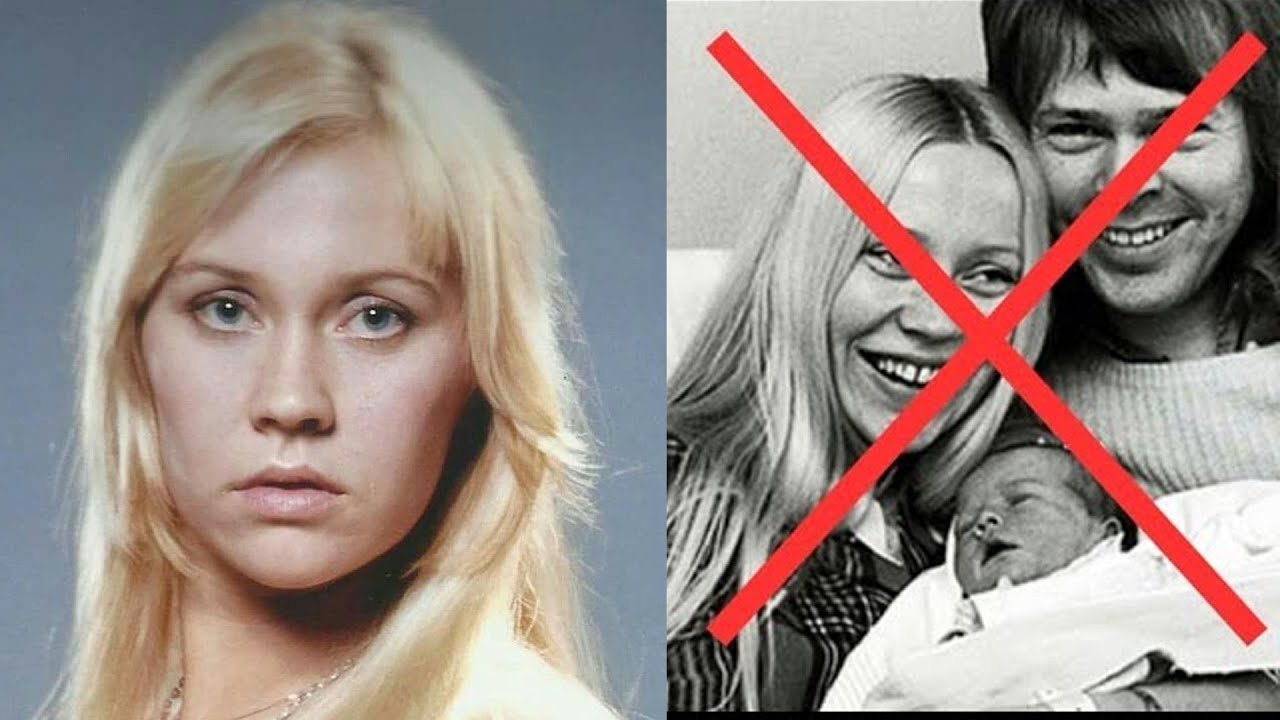
The Untold Story of ABBA’s Legacy: A Daughter’s Struggle Behind the Spotlight
ABBA — an extraordinary name echoing through the corridors of music history. The legendary Swedish group, consisting of two couples, reinvented pop music in the 1970s and early ’80s, captivating millions across generations. Headlines celebrated their unmatched harmonies, iconic melodies, and glittering performances. But behind the glitz and stadium anthems stood a hidden and deeply personal story, often left untold — the emotional journey of Linda Ulvaeus, the daughter of ABBA’s key members, Björn Ulvaeus and Agnetha Fältskog.
As the couple created musical magic with chart-toppers and international fame, their personal lives, especially their role as parents, took an unexpected backseat. Linda was born in 1973, during one of the busiest periods in her parents’ musical career. Coinciding with ABBA’s preparation for the Eurovision Song Contest, her arrival was overshadowed by the band’s rigorous commitments. While the world watched them win over Europe with their breakthrough track “Waterloo,” their own daughter remained in the care of a nanny, far from the limelight and even farther from her parent’s arms.
By the time Agnetha and Björn returned to reunite with their daughter, they were faced with a heart-wrenching moment — Linda could not recognize them. Still in her infancy, she had developed no connection to her birth parents. This moment, described by both parents as “horrible,” became a painful reminder of the cost of fame. Whether momentary or deeply resonant, the realization was short-lived as the couple continued their journey with ABBA, extensively recording, performing, and traveling, often at the cost of their parenthood.
The tension between motherhood and music was a recurring theme in Agnetha’s later interviews. While family mattered deeply to her, she openly admitted that her daughter could rely on others for care — ABBA couldn’t. The whirlwind pace of their growing popularity pushed parenting even further down their list of daily priorities. Agnetha’s fear of flying even took root during this phase, plagued by worries that if she and Björn ever flew together and didn’t return, no one would be left for Linda.
Things grew more complicated when Linda’s younger brother, Peter, was born. From competing with her parents’ profession for attention, she now found herself contending with a younger sibling for emotional space. These early years shaped a deep emotional void in Linda’s upbringing. Yet, she found momentary joy in music — the same art that pushed her parents away. At just eight years old, she released a Christmas album alongside her mother, giving her the taste of attention and love she longed for.
However, school life proved to be another stretch of solitude for Linda. Her classmates’ relentless taunts, mocking her with ABBA songs, became an emotional burden. As many teenagers struggle to form their own identity, Linda’s challenges were magnified by the fame that loomed over her. She admitted to feeling ashamed of her parents—a confounding truth considering most adolescents would relish such limelight.
High school became a battlefield for her self-esteem. Battling isolation, relentless teasing, and distant parents, Linda developed a challenging relationship with food, eventually suffering from bulimia. Her inner turmoil led her to connect with the wrong crowd, seeking belonging where it truly didn’t exist. It was only after moving quietly to the countryside that she found healing — not in grand gestures, but in small, consistent moments with nature and a pony she called Mister Johnson.
In rural solitude, she slowly nurtured a new passion — acting. She enrolled in a theater school, eager to pursue a craft on her own terms. However, life threw another challenge her way — an unexpected pregnancy during her studies. She decided to pause her ambitions and prioritize her newborn daughter, Tilda. This marked a significant turning point: Linda was determined to do differently than her parents once had. She embraced motherhood completely, ensuring her daughter always felt loved and secure. Her philosophy now centered on being present, even if that meant delaying her career ambitions.
Years later, as Linda resumed her acting path, she found success, not just professionally but emotionally. Appearing in critically admired projects such as Under Solen, Quick, and Labyrinten, her talent shined. However, family always remained her anchor. Despite her inner scars, Linda never harbored resentment toward Agnetha and Björn. Maturity brought understanding, and she even collaborated with her mother on solo music ventures, such as her 2004 single release “When You Walk in the Room.”
Her parents, especially after realizing the early disconnect they had with their daughter, tried to mend what they once strained. By shortening tour lengths to be home more often and bringing their daughter along on longer tours, they slowly began restoring their family bond. These efforts helped build new bridges between them — ones that didn’t collapse under the legacy of ABBA, but stood strong because of mutual love and genuine attempts at reconciliation.
In the end, Linda’s story isn’t just one of separation and heartbreak. It is the more powerful, often invisible tale of rediscovery, healing, and choosing a different path. While the spotlight remained on ABBA, behind it grew a narrative both haunting and inspiring — the journey of a daughter learning from the past, and crafting a future grounded in love, resilience, and purpose.