Diddy, 50 Cent & Lil Wayne’s Ruthless Business Tactics: The Untold Stories Behind Their Empires
In the world of hip-hop, the stage is more than just a platform for lyrical prowess—it’s also a ruthless arena for ambitious entrepreneurs. Standing at the crossroads of street smarts and boardroom brilliance are three of the industry’s most iconic moguls: Sean “Diddy” Combs, Curtis “50 Cent” Jackson, and Dwayne “Lil Wayne” Carter. Beyond their chart-topping hits, these men have carved out empires through cunning, resilience, and at times, notoriously cutthroat business tactics.
What sets Diddy, 50 Cent, and Lil Wayne apart from their peers isn’t just their diamond-studded careers, but their willingness to take risks, challenge giants, and play hardball to get what they want. Each has faced the crucible of controversy and emerged with more than just street credibility—they’ve secured their places among the business elite. Let’s delve into the tactics that propelled them to the top—and the sometimes ruthless realities behind their success.
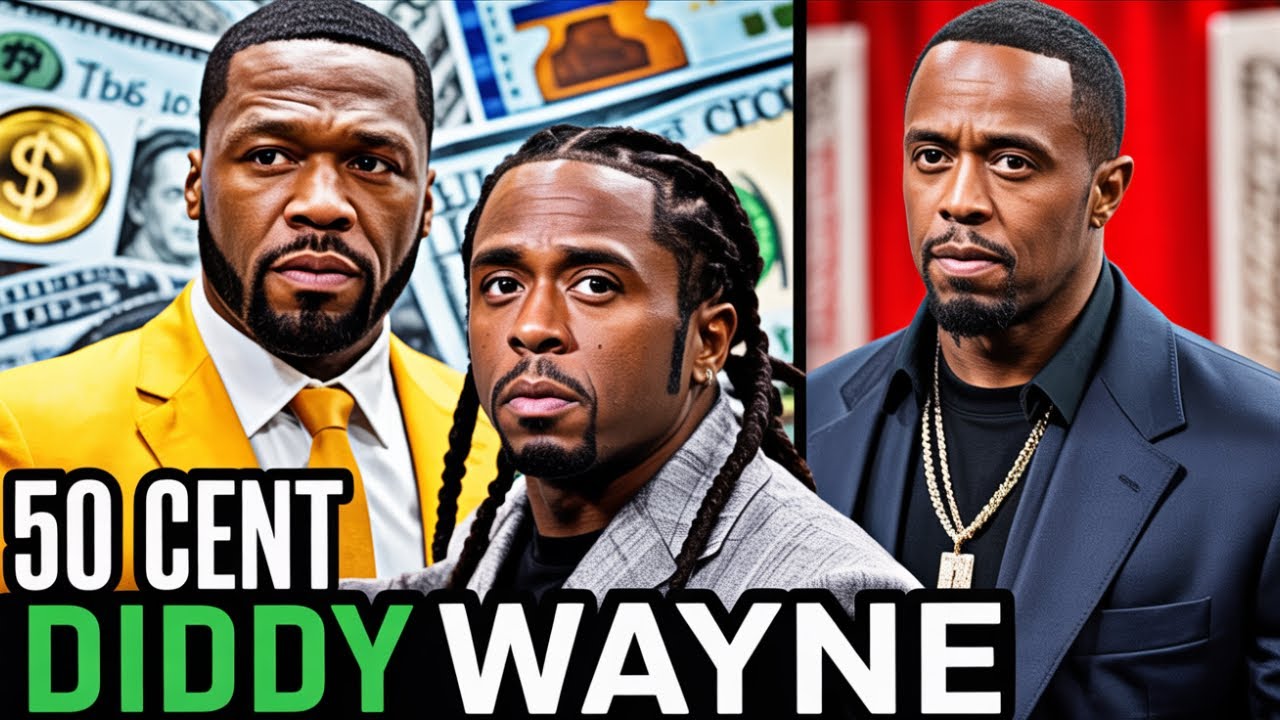
Diddy: The Master Negotiator
Sean Combs launched Bad Boy Records in the 1990s, redefining the New York rap game—and the business of hip-hop itself. From the jump, Diddy’s strategy was aggressive, focused on vertical integration. He didn’t just want to manage artists; he wanted to control every aspect of their brand, from publishing to promotion.
Ever the dealmaker, Diddy gained a reputation for driving a hard bargain. His ruthless negotiation style served him well, helping him leverage deals with major labels and brands. In 2007, he famously turned a $10,000 investment in Cîroc vodka into a multi-million dollar partnership with Diageo, masterminding a celebrity endorsement deal that would transform the spirits industry. Diddy’s playbook? Eliminate the middleman, keep a slice of every pie, and out-hustle the competition.
But Diddy’s climb wasn’t without casualties. Rumors have long swirled about Bad Boy’s unfavorable contracts, leading to accusations from former artists that their creative and financial control was tightly restricted. Diddy’s unapologetic response has typically been: “This is business, not personal.” His empire, built on shrewd—some would say ruthless—calculations, stands as a testament to the power of outmaneuvering rivals and always thinking steps ahead.
50 Cent: The Disruptor & Opportunist
If Diddy is the smooth-talking negotiator, 50 Cent is hip-hop’s ultimate disruptor—a hustler who weaponized controversy and conflict to build his empire. After surviving nine gunshots and coming up under Eminem and Dr. Dre, 50 launched G-Unit Records and quickly pivoted to business deals that would forever shift his fortune.
Perhaps 50 Cent’s most infamous business move was his investment in Vitaminwater. Reportedly paid partly in shares, he cashed out when Coca-Cola bought the company, walking away with a payday estimated between $60 and $100 million. It was a masterclass in spotting trends, leveraging celebrity influence, and exiting at the perfect moment.
50’s ruthlessness is legendary. His public beefs—from Ja Rule to Rick Ross—have been as much about business as honor. Diss tracks, social media trolling, and even buying out front rows at rivals’ concerts just so the seats would be empty—these weren’t just personal jabs, but strategic plays to dominate attention and kneecap the competition. He’s also been known to drive a hard bargain when negotiating everything from record deals to television rights, as seen with his hit series “Power.”
And then there’s his calculated use of bankruptcy laws. In 2015, 50 Cent filed for Chapter 11 bankruptcy, not because he was broke, but as a tactical move to protect his assets amid expensive lawsuits. It was another lesson in street-to-boardroom ruthlessness: always stay one step ahead, even if you have to bend the rules.
Lil Wayne: The Maverick Kingmaker
Dwayne Carter, better known as Lil Wayne, is both a musical powerhouse and one of hip-hop’s most strategic moguls. By his early 20s, Wayne had already become the centerpiece of Cash Money Records, but he wasn’t content to remain just an artist—he wanted a seat at the business table.
Wayne’s most influential move was arguably the creation of Young Money Entertainment. Under his leadership, the label became a launchpad for some of the most successful artists of the last two decades, including Drake and Nicki Minaj. Wayne’s genius was both in his ear for talent and his unrelenting demand for loyalty—artist contracts with Young Money were notoriously strict, locking in talent for long stretches and giving the label significant control.

When Wayne entered a headline-making legal battle with Birdman and Cash Money over unpaid royalties, he exposed the often ruthless underbelly of the industry. Refusing to be bullied—even by the mentor who helped raise him—Wayne fought fiercely for creative and financial independence, eventually settling for a reported $10 million and regaining control of his music.
Ruthless? Absolutely. But in Wayne’s world, loyalty is a currency—and betrayal has a price.
The Empire Blueprint: Business Lessons from Hip-Hop’s Ruthless Tycoons
What binds Diddy, 50 Cent, and Lil Wayne isn’t just ambition, but a willingness to embrace the toughness of the game. They’ve each shown that survival in the music business requires:
- Outsmarting the Competition: Aggressive negotiations, tough contracts, and an eye for the next wave—never letting ego trump opportunity.
- Controlling the Narrative: Whether through public feuds, social media explosions, or headline-grabbing stunts, these moguls have mastered the art of self-promotion.
- Daring to Take Risks: From renegotiating label deals to reinvesting fortunes in volatile startups, calculated risk-taking is at the heart of their success.
- Turning Setbacks into Comebacks: Lawsuits, betrayals, bankruptcies—each challenge has been met with reinvention, not retreat.
Their ruthlessness isn’t for the faint of heart, but it’s a blueprint for empire-building in an unforgiving industry. Beyond the gold chains and red carpets lies a world of strategy, hustle, and an iron will to win—at any cost.
In the ever-evolving game of hip-hop, Diddy, 50 Cent, and Lil Wayne have proven one thing above all: business, like music, rewards those who dare to play it ruthless.