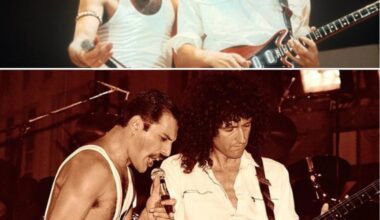
For more than a decade, Adam Lambert has carried the weight of one of rock’s most daunting responsibilities — stepping into the shoes of Freddie Mercury as the frontman of Queen. Across 327 shows worldwide, he has belted out timeless anthems like Bohemian Rhapsody, Somebody to Love, and We Are the Champions, blending his own style with deep reverence for Mercury’s legacy. But recently, Lambert admitted that his early approach to performing came at a cost — one he refuses to repeat.

The Danger of Oversinging
In the early years of touring with Queen, Lambert felt pressure to match the soaring power of Mercury’s range, often pushing himself to extremes. “There were nights when I would belt the high notes with everything I had, even if it meant straining,” he revealed. “I thought that was what people expected. But I realize now I would never do that again.”
The consequences soon caught up with him. Years of oversinging left him with vocal fatigue, tightness, and even moments when his voice simply wouldn’t respond. “It changed my voice forever,” Lambert admitted. “You can’t muscle your way through songs like Somebody to Love every night without consequences.”
A Smarter Approach

Instead of continuing down a destructive path, Lambert made a conscious decision to change. With the help of vocal coaches, he restructured his technique — focusing less on sheer volume and more on placement, breath control, and emotional expression.
“Now I focus on placement, breath, and emotion — not just volume,” he explained. “The audience feels it more when you sing smart, not hard.”
Fans agree. Recent Queen + Adam Lambert performances have showcased a vocalist in full command of his craft, navigating emotionally demanding tracks like Who Wants to Live Forever and Under Pressure with nuance and vulnerability. Online, one fan praised, “Adam doesn’t need to scream to prove himself. His control and artistry now make the songs even more powerful.”
A Lesson in Longevity
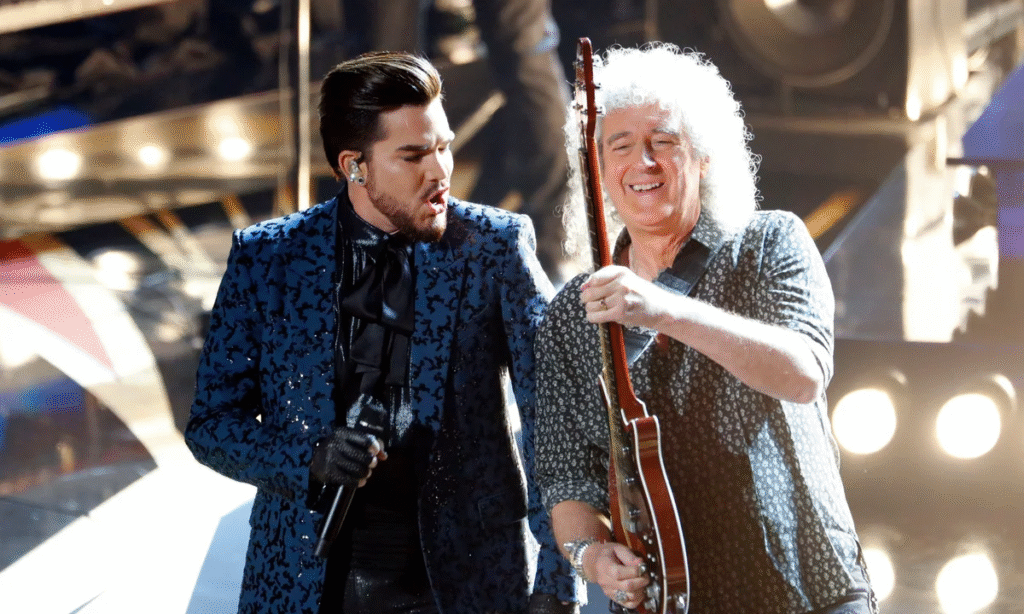
For Lambert, this evolution is about more than technique — it’s about survival in an industry that demands stamina. “I had to learn that longevity matters more than fireworks,” he reflected. “If I want to keep singing for decades, I have to take care of my voice. So yeah — I’d never push it like that again.”
That hard-earned wisdom positions Lambert not just as a showman, but as an artist with staying power. His journey underscores a larger truth for performers: strength isn’t about how high or loud you can go, but about protecting the very instrument that makes it possible to tell the story.
As Queen continues to tour with Lambert at the helm, his refined approach ensures fans can keep hearing those anthems live for years to come — delivered not with reckless force, but with precision, depth, and heart.
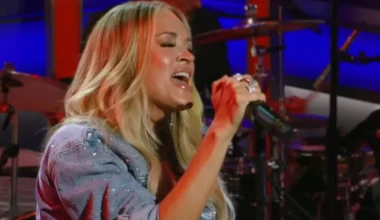
Watch below: