Gasps filled the opera house as Leontyne Price launched into O patria mia from Verdi’s Aida. From the first trembling phrase, it was clear this would not be just another performance, but a descent into something raw, devastating, and unforgettable. Her voice, at once fragile and unstoppable, seemed to carry both the glory of Verdi’s heroine and the unbearable pain of a woman laying bare her soul. Listeners clutched their seats, whispering fears that the intensity might consume her before the aria was done.
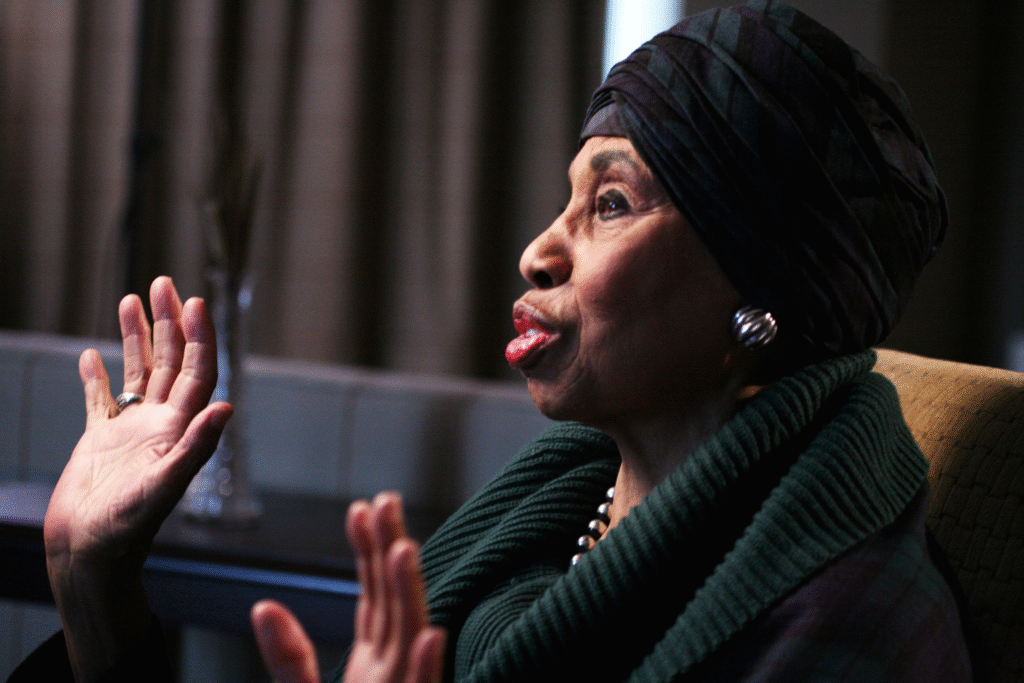
As the music soared, Price appeared to walk a perilous line between triumph and collapse. Her sound shimmered with radiant majesty one moment and quivered with exhaustion the next, creating a tension that electrified the hall. The aria’s soaring high notes rang out not like polished gems but like cries torn from the heart, leaving the audience paralyzed. It was art stripped to its essence — dangerous, terrifying, and transcendent. For those watching, it felt as though every phrase might be her last, a farewell carved into music itself.
Insiders later revealed that the aria nearly broke her that night, pushing her to the edge of physical and emotional exhaustion. Price, famed for her regal control and seemingly limitless power, had poured so much of herself into the role that she stepped offstage trembling, utterly spent. Yet it was precisely this willingness to risk everything — to push past the boundaries of safety — that made the moment immortal. She did not simply sing Aida’s lament for her lost homeland; she became Aida, embodying the weight of exile, longing, and despair so completely that the line between singer and character dissolved.
Was this the night the world almost lost its greatest soprano on stage, or the night she carved her immortality into opera history forever? For many, it was both: a performance teetering on the edge of collapse that transformed into triumph, an evening where fear and awe coexisted in equal measure. What is certain is that Leontyne Price left an indelible mark not just on Verdi’s masterpiece but on the very definition of operatic greatness. In that aria, in that moment, she proved that immortality is not found in perfection, but in the courage to sing with everything one has, even at the risk of breaking.