Guitarist Randy Rhoads played his very last show with Ozzy Osbourne on March 18, 1982, at the Knoxville Civic Coliseum in Tennessee. Just 24 hours later, the 25-year-old musician was gone.
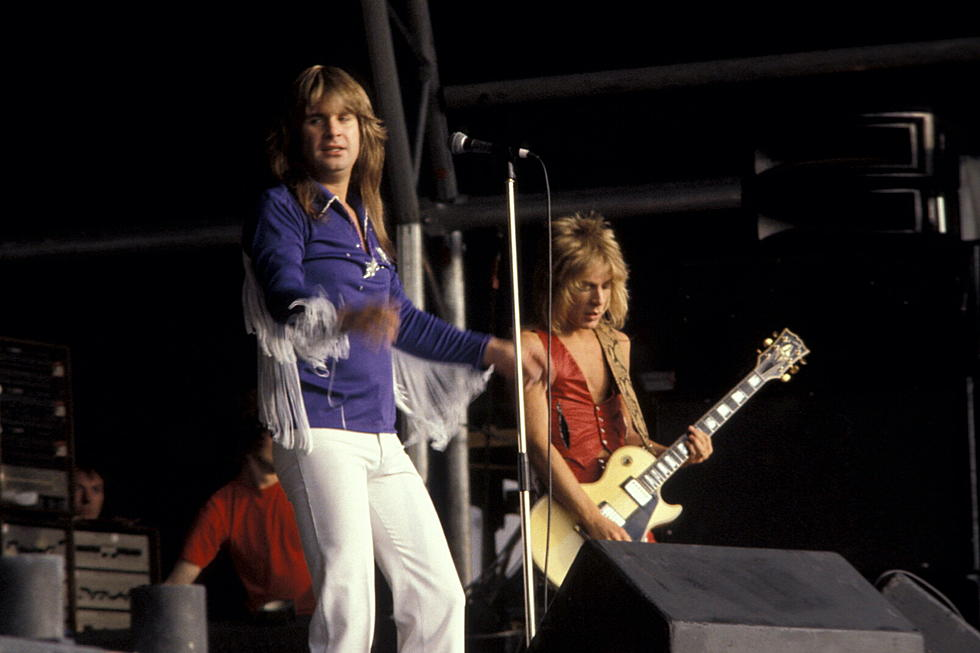
Rhoads lost his life in a plane crash in Leesburg, Florida. It happened during a joyride in a Beechcraft Bonanza flown by the band’s bus driver, Andrew Aycock, who was operating the aircraft with an expired license. The accident remains one of the most heartbreaking moments in rock history. It instantly ended one of the greatest creative partnerships in heavy metal. Rhoads was the exact spark Osbourne needed to save his sinking career after getting fired from Black Sabbath. Together, they created two absolute classics with the albums Blizzard of Ozz and Diary of a Madman.
Music fans will always wonder what the duo could have created if they had more time. The surprising truth is that on the night of his final performance, Rhoads was already talking about leaving heavy metal behind to try something completely different.
During a drive from Tennessee to Florida on the tour bus, Rhoads opened up about his future. Osbourne recalled the exact conversation in his 2010 autobiography, I Am Ozzy. Rhoads told the singer he did not think he wanted to live the rock and roll lifestyle anymore. He actually wanted to enroll in a university and get a formal degree. Osbourne responded by telling him to keep playing for a few more years so he could afford to just buy his own university.
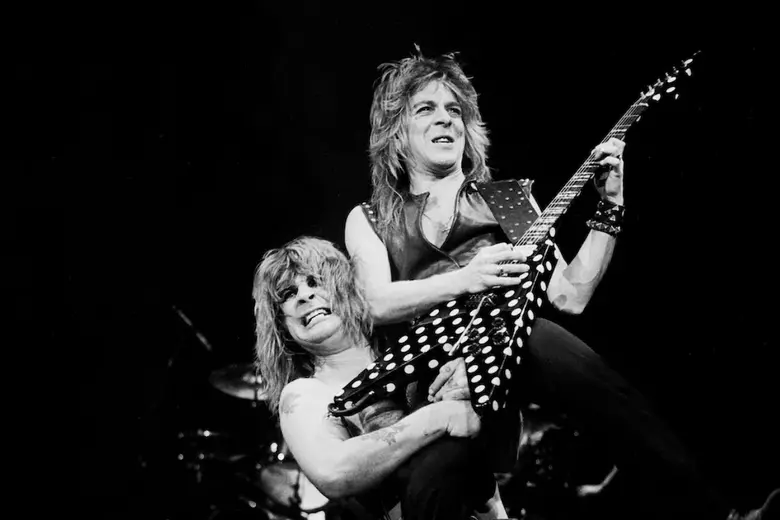
Osbourne was dealing with severe drinking issues at the time, which Rhoads brought up during that same late night drive. He asked Osbourne why he drank so much and what the point of it was. He then delivered a haunting warning, telling the singer he was going to end up killing himself one day.
The music industry rarely pauses for grief, and Osbourne had almost no time to process the devastating loss. He was back on stage in less than two weeks. Former Gillan guitarist Bernie Torme filled in temporarily. Brad Gillis of Night Ranger soon took over the spot, followed by Jake E. Lee as a more permanent replacement. Osbourne kept succeeding, releasing the triple platinum hit Bark at the Moon in 1983.
Despite his massive solo success, Osbourne never quite filled the hole Rhoads left behind. In the liner notes for the 1987 live album Tribute, which featured recordings from their short time together, Osbourne shared his lingering feelings. He wrote that it felt like Randy was in his life for a much longer time, adding that he sometimes still feels the guitarist standing right beside him. Osbourne pointed out that while some players use their guitars to show off, Randy was genuinely an extension of his instrument.
Listen to Randy Rhoads’ guitar solo from his final show.