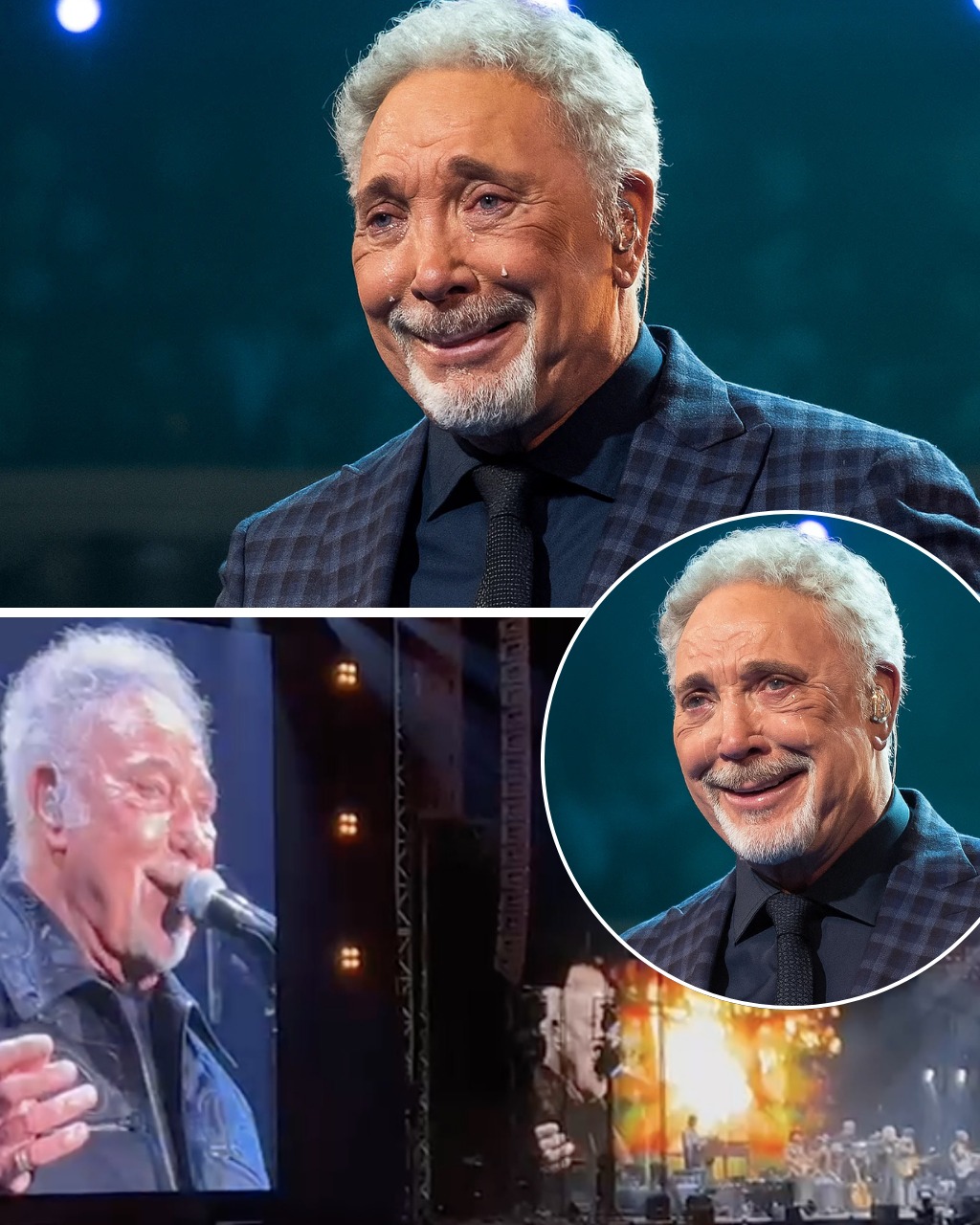
A massive cultural and political clash has taken over the internet following the release of Bruce Springsteen’s protest track, “Streets of Minneapolis.” The song drew a sharp, dismissive reaction from Donald Trump’s White House, sparking a nationwide conversation about immigration, artistic freedom, and political messaging. The whole controversy centers around Springsteen taking a hard stance against U.S. immigration enforcement. He specifically targets the actions of ICE, using incredibly direct language to call federal agents “King Trump’s private army.” He frames recent incidents in Minneapolis as clear evidence of systemic injustice.
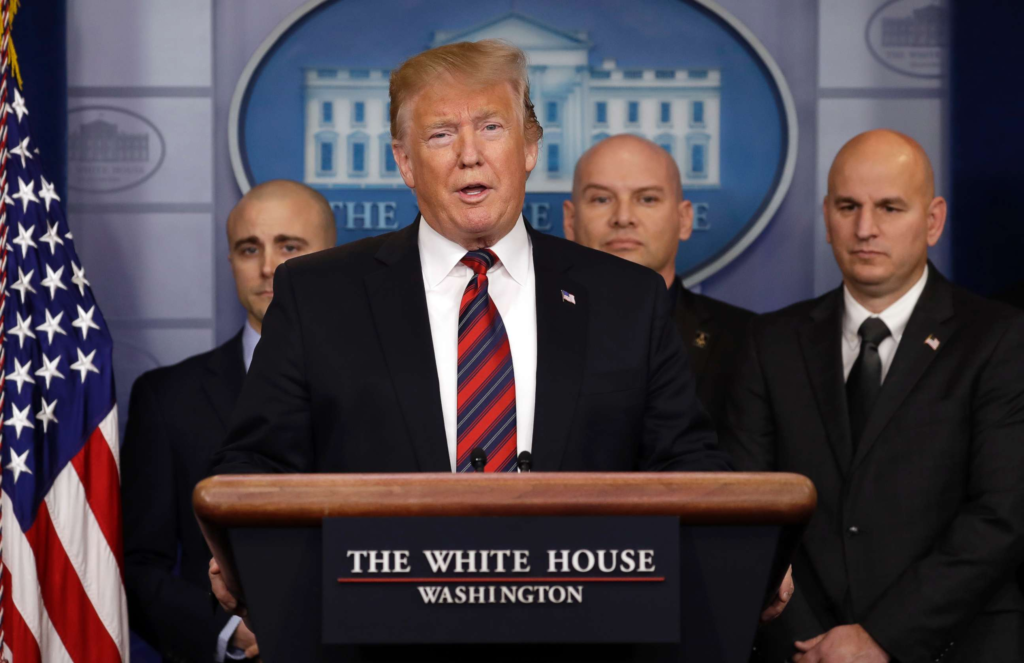
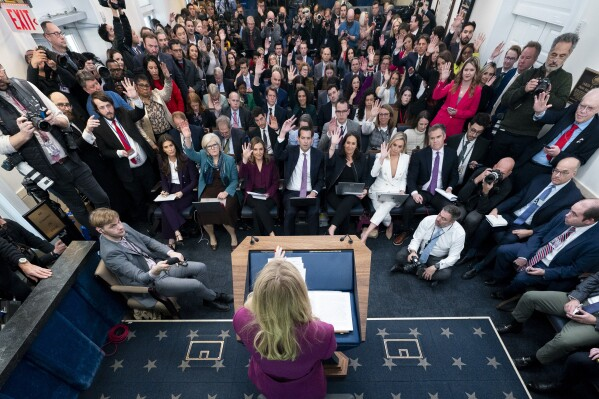
The response from the White House was blunt. Officials publicly brushed off the song as completely random and packed with irrelevant opinions and inaccurate information. Instead of engaging with the actual criticism in the lyrics, the administration used the moment to reinforce its stance on immigration. They stated their main focus is working with local authorities to remove dangerous criminals, essentially framing the rock legend’s new music as a distraction from their core policy goals. This back and forth is just the latest chapter in a long history of tension between the administration and high profile artists who use their platforms to challenge policies.
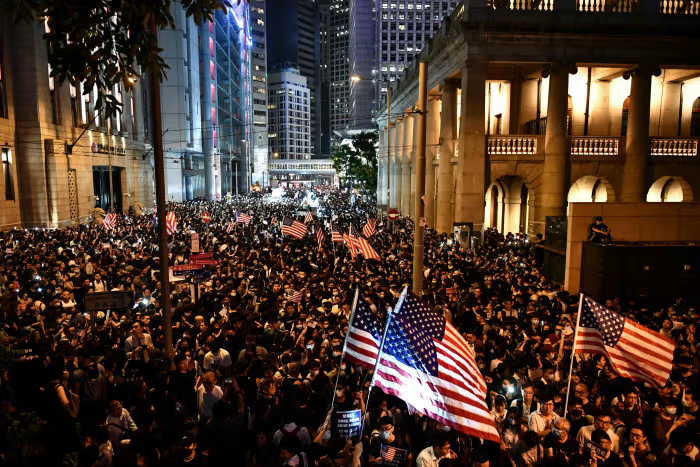
If you are wondering where the song came from, it was born out of highly charged events in Minneapolis. Protests erupted after fatal encounters involving federal agents and civilians, which quickly became major talking points in the national debate over civil liberties and immigration. Springsteen wrote and recorded the track with a serious sense of urgency. He dedicated the music to the victims and to innocent immigrant neighbors, turning the release into both a tribute and a fierce protest statement. The lyrics paint a vivid picture of grief and unrest, blending his signature storytelling with heavy political critique. It is a classic move for an artist who has spent his entire career making socially conscious music.
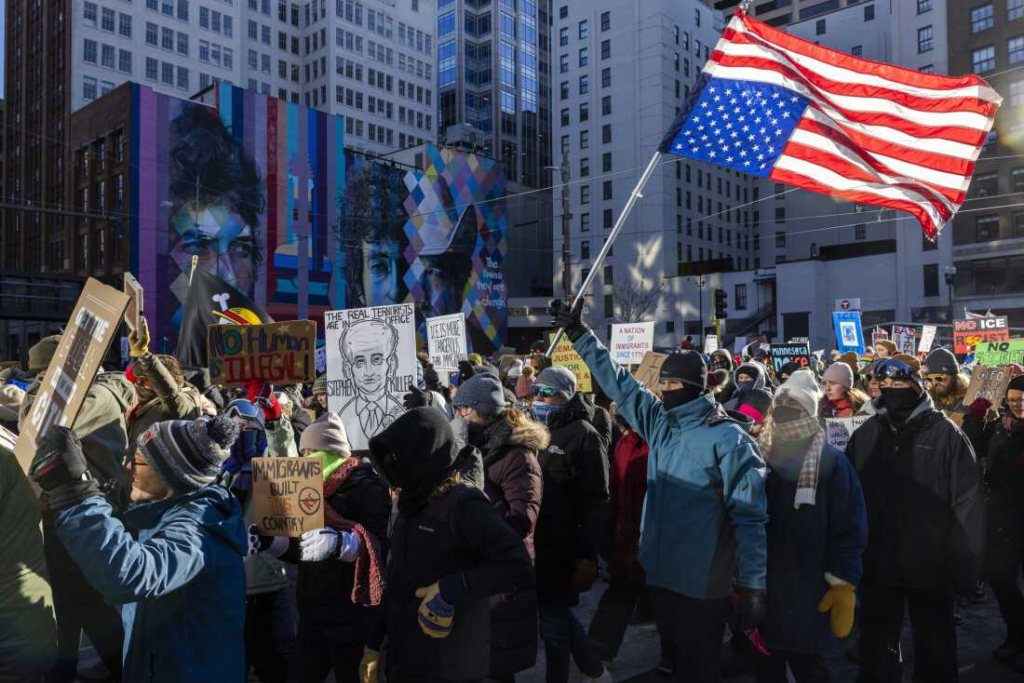
Naturally, the backlash and the support flooded social media immediately. Fans and supporters have praised the track as a powerful act of artistic resistance. They argue that musicians have a duty to speak out against injustice, especially during times of national crisis, pointing to America’s rich history of protest music from the civil rights and anti war movements. On the flip side, critics aligned with the administration accuse Springsteen of twisting the facts to politicize a tragedy. They argue his portrayal of federal policy is misleading and designed to stir up anger.
Adding fuel to the fire is the long history of personal and political friction between Trump and Springsteen. This feud has spilled into the public eye plenty of times over the years. Trump has harshly criticized the musician in the past, and Springsteen has regularly used his concerts and interviews to call out the president’s leadership. Because of this history, people are viewing this latest clash as more than just a reaction to a single song. It feels like the continuation of a deep rivalry that mirrors the current divisions in American society.
The piece of this story grabbing the most attention online is Springsteen’s famously brief public response to the White House criticism. Fans are calling it his 13 word reply. While the exact wording seems to shift depending on which social media post you read, the actual words matter less than the symbolism behind them. It is the image of a legendary cultural figure refusing to back down when directly challenged by the government. Instead of retreating, he doubled down on his message. That dynamic turned a standard political disagreement into a high stakes confrontation where art and public opinion collide in real time.
The media storm surrounding the song perfectly highlights how the lines between politics and culture are blurring in the digital age. A single piece of music can trigger a massive reaction across every platform instantly. The speed of this whole controversy, from the song dropping to the official White House response to the viral debate, shows just how fast social media shapes the narrative, often before all the facts are even verified. For people in power, this creates a tricky situation where they have to respond quickly to public outrage while trying to keep their messaging clear.
As the dust continues to settle, the debate over “Streets of Minneapolis” will likely stay front and center in discussions about free speech and the role of artists in politics. For some folks, the whole episode highlights the growing polarization and the loss of constructive dialogue. For others, it proves that art still has the power to provoke thought and inspire change. The one thing that is absolutely clear is that this clash between Springsteen and the White House is about much more than music. It has become a symbol of the ideological divides in the country and a stark reminder of just how intense public discourse has become today.