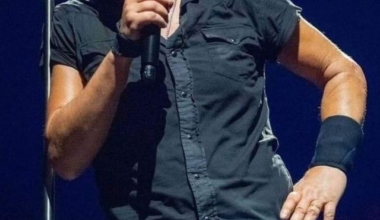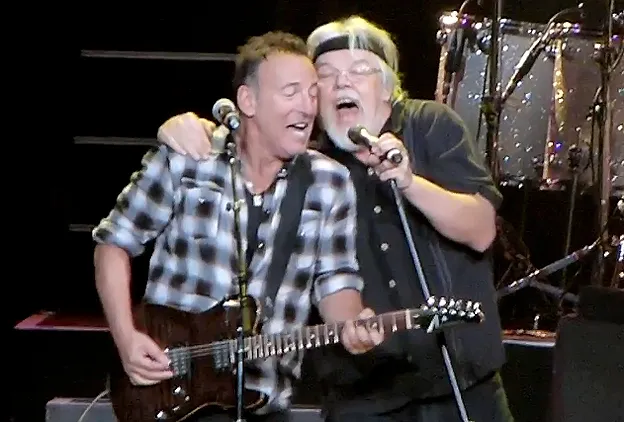
Step into Madison Square Garden on December 1, 2011, and you could feel the pulse of rock history quickening. New York fans had packed the house for Bob Seger and the Silver Bullet Band, drawn by that gritty, road-worn sound that never gets old. The night hummed with anticipation, Seger’s band already gripping the crowd like an old vinyl groove. Then, like a riff from the gods, Bruce Springsteen emerged from the wings—guitar slung low, ready to ignite.
The arena detonated. These two icons, bound by years of mutual respect and barroom camaraderie, unleashed “Old Time Rock and Roll” with a ferocity that rattled the rafters. Seger’s gravelly howl meshed seamlessly with Springsteen’s white-hot passion, turning the 1978 staple into a living, breathing homage to rock’s raw origins. That track, forever etched in pop culture thanks to its Risky Business dance-floor strut in 1983, roared back to life under their command—a global earworm reborn through sheer willpower.
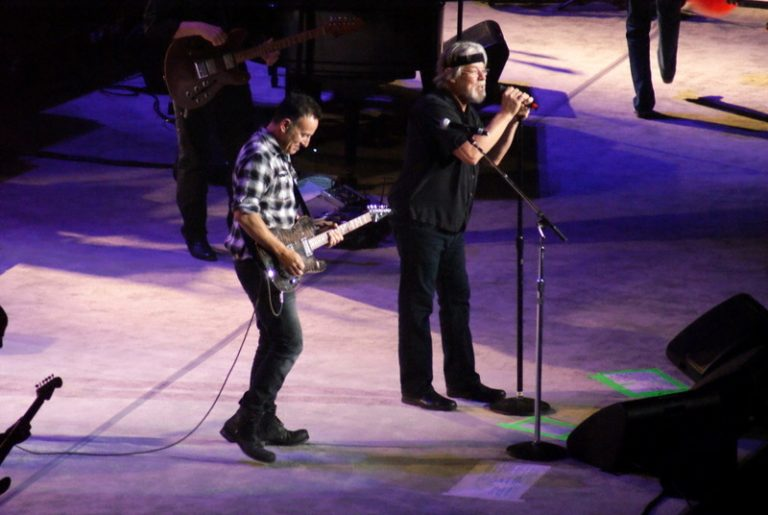
The air crackled with more than notes; it was personal. Springsteen knew this song inside out, having ripped it apart back in 1989 at Asbury Park’s Stone Pony, that Jersey dive where legends are forged. Sharing the MSG stage with Seger? It was like closing a circle, layering fresh layers of brotherhood onto a tune that had shadowed his career. You could hear it in every shout, every lean into the mic—the quiet thrill of two artists nodding to their shared roots.
This wasn’t just a guest spot; it was rock’s timeless handshake across eras. In a world of fleeting trends, Seger and Springsteen stood as living proof of the genre’s glue: talent that transcends, spirit that unites. Whether you’re swaying in the pit or reliving it on grainy footage, moments like these remind us why we chase the music—because rock ‘n’ roll doesn’t just play; it pulls us all into the story, onstage or off.