There are ordinary music venues, and then there is First Avenue. The legendary Minneapolis club is famous worldwide for hosting historic nights in rock and roll. But anyone standing in that packed room recently witnessed something that goes far beyond a typical concert experience. Bruce Springsteen stepped onto that iconic stage and delivered a moment that will echo through the local music scene for years. He shocked the crowd with the very first live performance of his new protest song, “Streets of Minneapolis.”
Springsteen wrote and recorded this track with a heavy heart and an undeniable sense of urgency. The song was born directly from the devastating, heartbreaking losses of Alex Pretti and Renee Good. You could feel the immense weight of their absence hanging in the air. Springsteen poured raw, unfiltered emotion into every single line. He sang specifically about the very streets located just outside the venue doors. That connection made the performance feel incredibly immediate, turning a global rock star into a grieving neighbor.
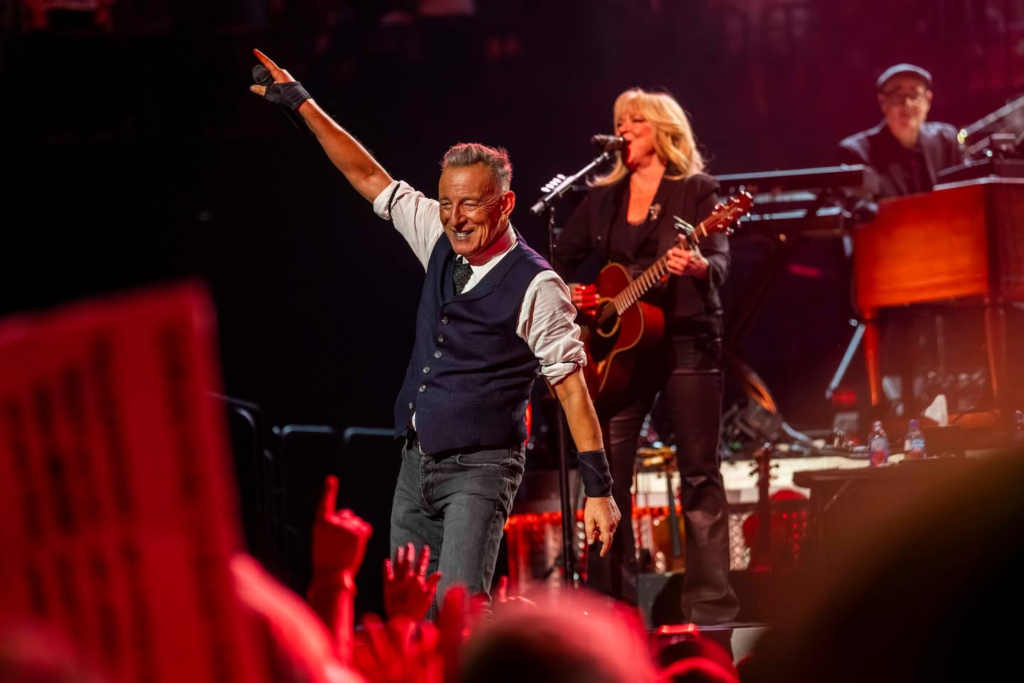
Before he even touched his guitar strings, The Boss looked out at the silent, attentive audience to set the tone for the night. His message was simple, direct, and profound. He told the crowd that the song was for the people of Minneapolis, Minnesota, and for the people of our good country, the United States of America. It was a deeply unifying call during a painful time. He reminded everyone standing there that the pain felt deeply in one city truly ripples across the entire nation.
The introduction leading up to that exact moment was just as powerful as the song itself. Tom Morello took the microphone to welcome Springsteen to the stage, affectionately calling him his good friend and a fellow freedom fighter. The crowd absolutely erupted at those words. The deep mutual respect between these two iconic musicians added a fierce, undeniable layer of solidarity to the evening.
Once he took the microphone, Springsteen shared a brief, revealing story about his writing process. He explained that when he first played the new track for Morello, his friend offered some incredibly blunt advice. Morello told him that nuance is a nice thing to have, but sometimes you just have to hit them hard.
That is exactly what Springsteen proceeded to do. As a 20-time Grammy winner, he obviously knows how to craft a polished musical masterpiece. But this specific night was not about reaching for studio perfection. This was all about delivering pure, aggressive intensity straight from the heart. The lyrics did not hide behind clever poetry or gentle metaphors. They confronted the recent tragedy completely head on, beautifully honoring the innocent neighbors who were taken from their community far too soon.
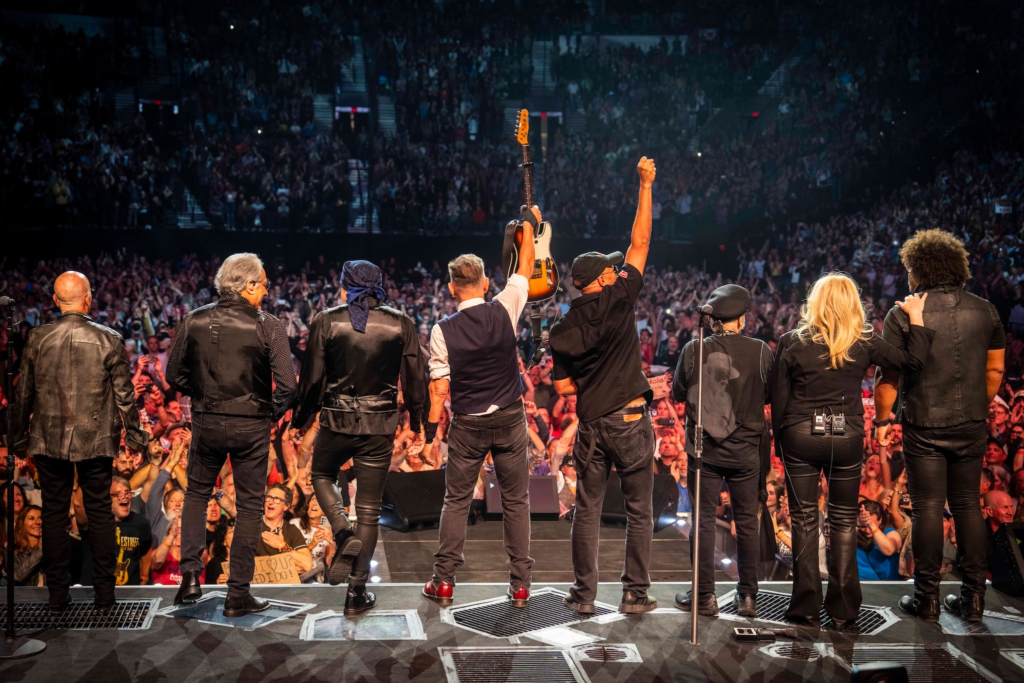
The reaction from the crowd was everything you would expect and so much more. People were not merely listening to a new tune. They were actively absorbing the heavy reality of the song. Music has a unique, beautiful way of processing our collective grief, and Springsteen flawlessly channeled that shared local sorrow into something monumental. It was a stark reminder of the raw power of a guitar, a microphone, and a songwriter who absolutely refuses to look away.