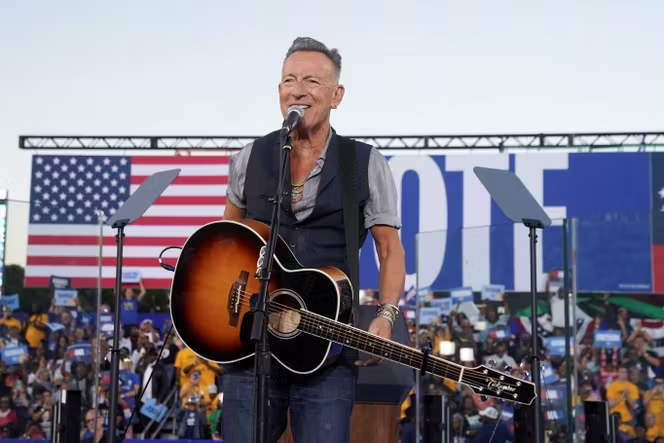
We live in a time when a story can sweep across the country in minutes. That is exactly what happened recently with a deeply emotional viral post about rock legend Bruce Springsteen. The internet lit up with claims that The Boss had quietly donated $500,000 to a memorial fund for Renée Nicole Good. She was a Minneapolis woman reportedly killed during a confrontation with an ICE agent. The story went even further, stating Springsteen pledged lifelong support to her six-year-old son, who had tragically lost both of his parents. People shared the post relentlessly, calling it a gesture that shocked the nation. But as the story picked up speed, it brought up big questions about what was actually true and what it says about how we process grief and celebrity myths online.
The heart of this controversy is rooted in a reported tragedy in Minneapolis. According to the stories circulating online, Renée Nicole Good lost her life violently and suddenly during an encounter with U.S. Immigration and Customs Enforcement. The posts painted a heartbreaking picture of a mother and a community member gone too soon. Almost immediately, hashtags demanding justice started trending. Online fundraisers popped up to help her family. When Springsteen’s name was suddenly attached to the story, it took a local tragedy and turned it into a massive national conversation.
If you look closely at credible news sources, the picture gets complicated. While the posts were going viral, no major news outlet had actually confirmed a half-million-dollar donation from Springsteen. His representatives never put out a press release or a statement backing up the claim. Fact-checkers quickly pointed out that while the musician has a massive history of charity work and political activism, there was zero verified proof of this specific donation. Interestingly, the lack of proof did not slow the story down at all. The emotional weight of the situation seemed to push it even further.
It is easy to see why people bought into the rumor. The power of Springsteen’s name in American culture is massive. For decades, the New Jersey native has been much more than a musician. He has been the ultimate storyteller for working-class struggles, social injustice, and the broken promises of the American dream. When you listen to tracks from “Born in the U.S.A.” or “The Ghost of Tom Joad,” you hear a guy confronting inequality and fighting for human dignity. Because he has built this legacy, the idea that he would step up to help a family shattered by a civil rights tragedy just makes sense. It perfectly fits his persona as a compassionate, outspoken artist who is never afraid to take a stand.
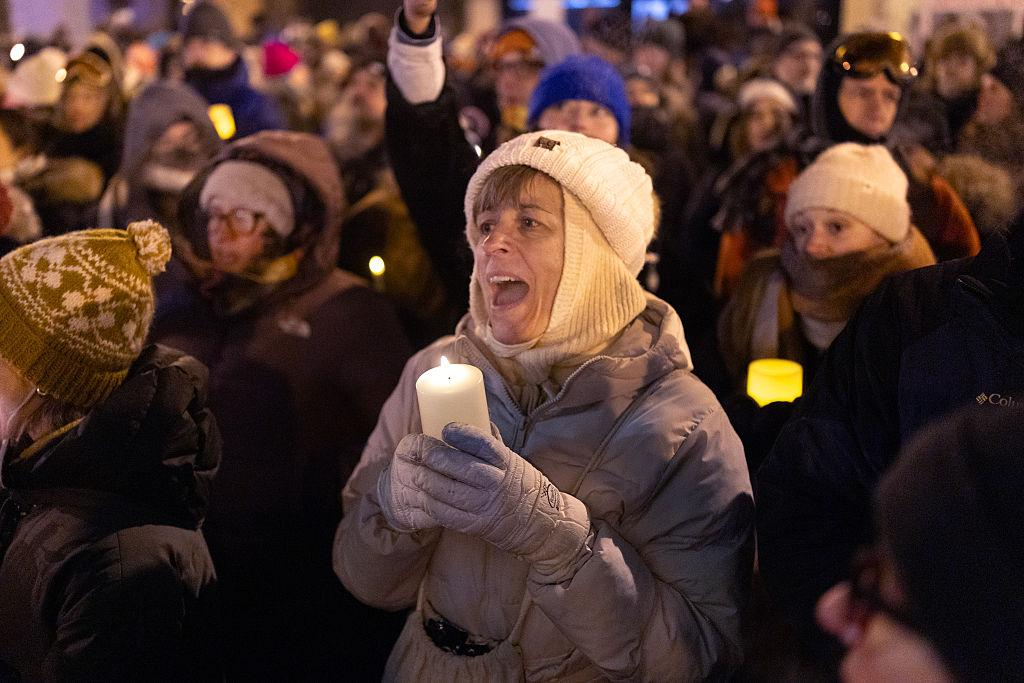
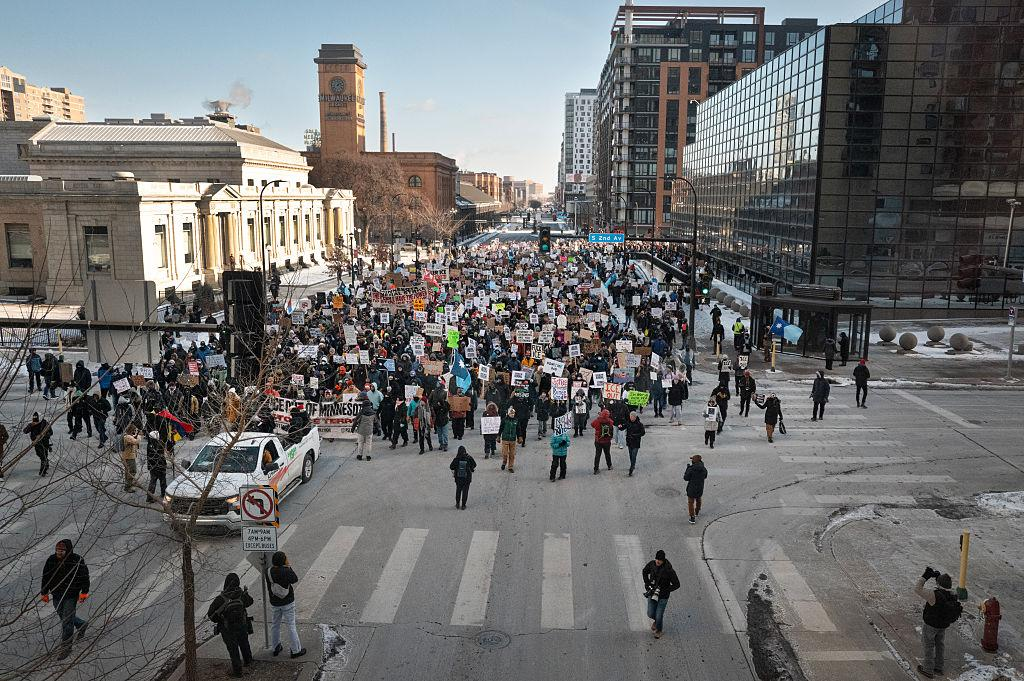
You also have to consider where this reportedly happened. Minneapolis has recently become the center of national debates about law enforcement, accountability, and community trust. The city has seen its share of protests and intense media scrutiny regarding police practices. Any reported fatal encounter involving federal agents there is bound to spark immediate outrage. The viral posts described candlelight vigils and grieving community leaders asking for answers. Even if some details of the viral posts were unverified, the emotional climate was completely real. Americans are deeply sensitive to stories about the use of force and the vulnerable families left to pick up the pieces.
As the narrative grew, some reports clarified that while there really was community fundraising happening for the family, the massive dollar amount linked to Springsteen seemed to come from unverified social media accounts. This is a crucial detail. In a world where screenshots can be faked and posts get shared out of context, the line between actual charity and hopeful rumors gets blurry fast. Once a huge number like $500,000 gets attached to a famous name, the story takes on a life of its own.
Even without confirmation, Springsteen’s history of helping others is very real. He has spent years supporting veterans, food banks, disaster relief, and civil rights groups. He plays benefit concerts and uses his massive platform to help marginalized people. For music fans, this viral story felt like a natural next step in his lifelong activism. In a way, the emotional truth matters just as much to people as the actual facts. People genuinely believe he would do something this kind.
Another reason the story caught fire was the heavy focus on Renée Good’s six-year-old son. The posts repeatedly emphasized that the child was left without both parents. That specific detail was designed to break your heart. It took a complicated policy debate and turned it into a deeply human story about a vulnerable kid. The rumor that Springsteen was setting up an educational fund or stepping in to ensure the boy’s future added a layer of profound moral drama. In times of immense sadness, we all want to believe that powerful people will step in to protect the innocent.
This whole situation highlights how fast emotional stories can outrun real journalism. In the past, a donation this big would be announced through formal channels like press conferences or verified interviews. Today, a single post can cement a narrative in the public mind before a reporter even has time to make a phone call. By the time fact-checkers weigh in, millions of people have already accepted the rumor as reality. This usually is not done with bad intentions. It is just human nature wanting to see a bright spot of goodness in a dark situation.
However, telling stories responsibly requires caution. When unverified claims go viral, they can actually hurt the people they are trying to help. If the public thinks a celebrity just dropped half a million dollars to cover a family’s needs, everyday people might decide they do not need to donate their own money. On top of that, making up these expectations can lead to unfair criticism of the celebrity when they do not confirm a donation they never actually made. When dealing with real grief and tragedy, accuracy is incredibly important for practical reasons.
For Springsteen, this viral moment put him right back at the intersection of music, politics, and public morality. He has navigated praise and backlash for his outspoken views his entire career. Whether or not he wrote that check, his name sparked a much larger conversation about how artists should respond to social crises. Should they step in with their wallets? Should they stay quiet? Or is their true contribution the music itself, providing songs that put our collective pain and hope into words?
Ultimately, the story of this massive alleged donation tells us just as much about our modern media culture as it does about the individuals involved. It shows how fast grief turns into activism and how a celebrity’s reputation can supercharge a story. Heartbreaking details involving a grieving family and a young child will always capture our attention. It is a stark reminder to verify what we read before accepting it as the absolute truth.
But one thing is undeniably true. Tragedies stir deep emotions across the country, whether every detail is perfectly accurate or not. They force us to talk about law enforcement, policy, and safety. They remind us of the human cost behind political arguments. Most importantly, they highlight our deep desire for heroes. In moments of perceived injustice, people look for symbols of compassion. Sometimes that symbol is a community vigil. Sometimes it is a local fundraiser. And sometimes, it is the enduring image of a rock legend who has spent his entire life singing about the struggles and the undeniable dignity of ordinary people.