A post is making the rounds online, breathless and dramatic, claiming Michael Strahan just dropped a “career‑defining” truth bomb about Bruce Springsteen on a live FOX broadcast—so powerful it allegedly left the studio stunned into silence and sent shockwaves through the music world. The way it’s framed, you can almost hear the faint gasp of the audience, the pause in the conversation, the sense that something historic had just slipped into the air.
But when you step back and peel away the storytelling, the evidence doesn’t quite match the hype. There is no verified clip, no major news outlet report, no sports‑broadcast archive showing Michael Strahan delivering the exact, dramatic monologue described in that post. It reads less like a transcript and more like a polished narrative designed to feel real, even if the moment itself hasn’t been confirmed.
The post follows a very familiar viral formula. It starts with that irresistible hook: “the one thing no one ever dared to say,” which instantly triggers curiosity and a sense of exclusivity. Then it builds tension—studio frozen in silence, reactions hushed, everything riding on the weight of one sentence. Only then does it reveal the “shocking” line, which turns out to be far from controversial: a glowing tribute to Springsteen’s authenticity, longevity, and deep bond with his audience.
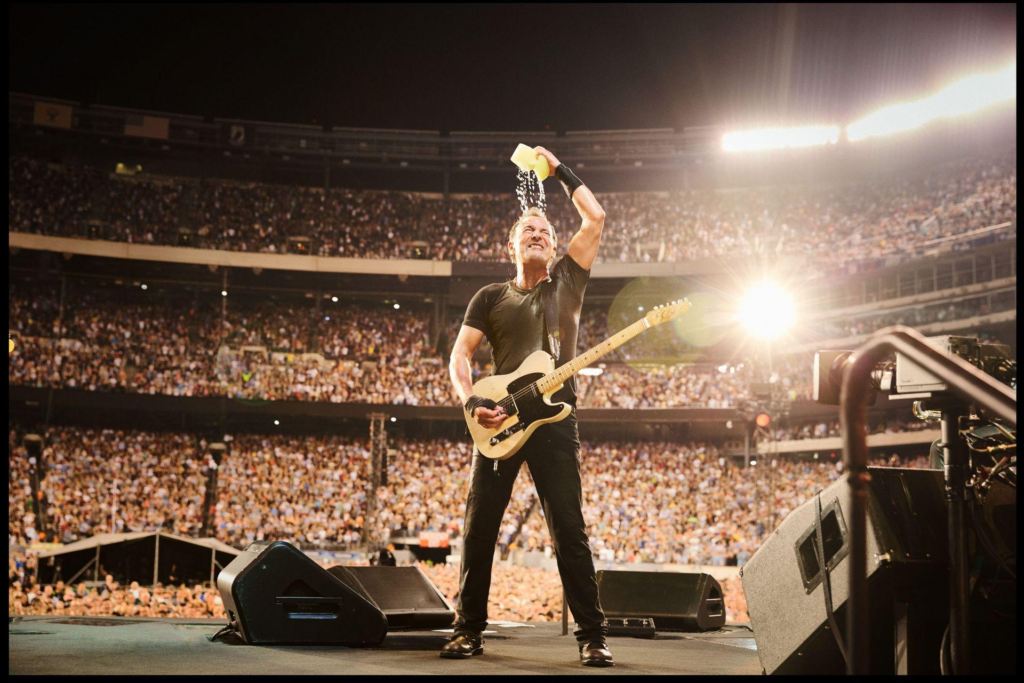
And honestly, that’s why it spreads so easily. The underlying message is already something most longtime fans and critics would happily agree with. Bruce Springsteen, “The Boss,” has spent decades building a career out of consistency, raw storytelling, and marathon‑length concerts that feel like communal rituals. His connection to working‑class life, resilience, and personal identity isn’t just a theme in his songs—it’s woven into the way people describe him in interviews, documentaries, and everyday conversations.
So when that narrative slots a respected public figure like Michael Strahan into a “career‑defining” moment praising Springsteen, it feels both believable and satisfying. It’s the kind of story that clicks into place in your mind: a sports‑world icon verbally crowning a rock‑world icon, on national TV, in real time. But the setting adds another layer of doubt. Fox NFL Sunday is, first and foremost, a sports show. While hosts like Strahan sometimes drift into broader cultural territory, a solemn, studio‑halting, philosophical mini‑sermon about a rock legend would be unusual enough that you’d expect clips, reactions, and coverage almost immediately. The absence of that kind of footprint is a strong signal that the scene has been amplified, stylized, or even constructed.
The emotional language in the post does a lot of heavy lifting. Words like “stunned,” “silence,” and “career‑defining” are carefully chosen to make an ordinary idea feel monumental. The moment doesn’t need to be especially groundbreaking; the storytelling does the work, convincing readers they’re witnessing a historic crossover between sports, media, and music all in one breath. It’s a classic example of how narrative technique can turn a simple, widely accepted sentiment into something that feels like a revelation.
There’s also a subtle commercial engine humming beneath the text. The line about something being “back by popular demand” and “available again” suggests this isn’t just a feel‑good tribute piece; it’s a vehicle designed to keep people clicking, scrolling, and possibly buying. The dramatic setup draws fans in; the call‑to‑action keeps them moving toward a link, a product, or a service. Blending emotional storytelling with promotional intent is a hallmark of many viral posts, and it’s effective precisely because audiences often react first—and fact‑check later.
None of this means the core idea about Springsteen is wrong. The portrait of him as an artist rooted in authenticity, discipline, and lasting impact is well‑supported by decades of work. His songs map out small‑town struggles, love, loss, and the quiet dignity of ordinary lives, and his live shows still feel like events rather than mere concerts. If Michael Strahan did say something similar about him—shorter, more conversational, less scripted—it would fit naturally into the broader conversation about Springsteen’s legacy, not defy it.
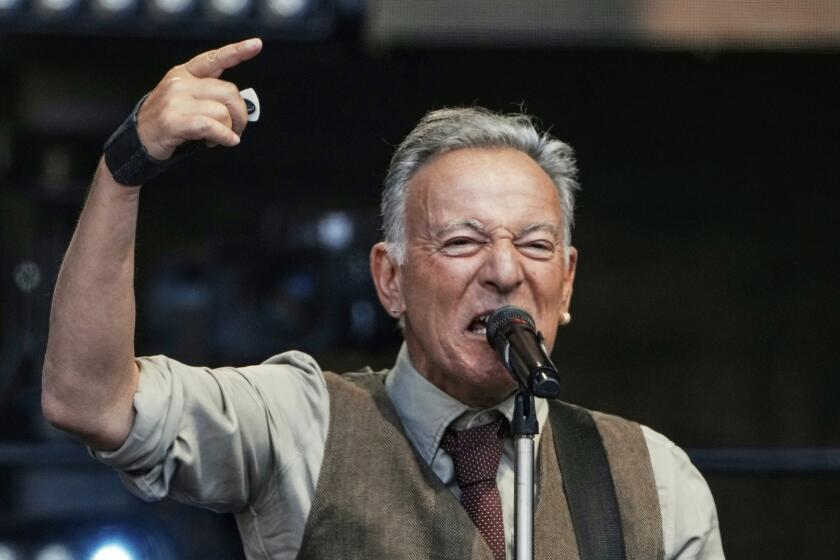
What this whole viral moment really highlights is how easy it is, in the digital age, to build a narrative around a respected figure using three ingredients: a recognizable name, a beloved subject, and emotionally charged wording. You don’t need footage or a headline; you just need a story that feels true enough to match what people already believe in their hearts.
For readers, the challenge is learning to separate the emotional pull of the story from its factual grounding. The key takeaway is straightforward: there is no confirmed record of Michael Strahan delivering the exact, dramatic on‑air speech described in the viral post. The story appears to be a stylized, possibly exaggerated version of a widely held view about Springsteen’s legacy—one that resonates not because it reveals something new, but because it reshapes something familiar into something that feels like a revelation.
In the end, Bruce Springsteen’s legacy doesn’t rely on internet‑born dramatic moments or TV‑studio standing‑ovations. It’s built the way his best songs are written—over time, through craft, through thousands of shows, and through the quiet, steady presence of an artist who’s kept showing up, night after night, for the people who’ve kept showing up for him. The viral post might package that legacy as a single, cinematic line, but the real story has been unfolding in arenas, living rooms, and car radios for half a century. And that, in its own way, is powerful enough to stand on its own—no embellishment required.