On December 1, 2011, Madison Square Garden became more than just a venue—it turned into the setting for a moment that still lives on in the memory of rock fans.
The night was already set. Fans had gathered to see Bob Seger and the Silver Bullet Band, a group known for its raw, road-tested sound and songs that feel as lived-in as the people who sing along to them. The energy in the room was building steadily, the kind that comes from a crowd fully locked into the music.
But no one expected what came next.
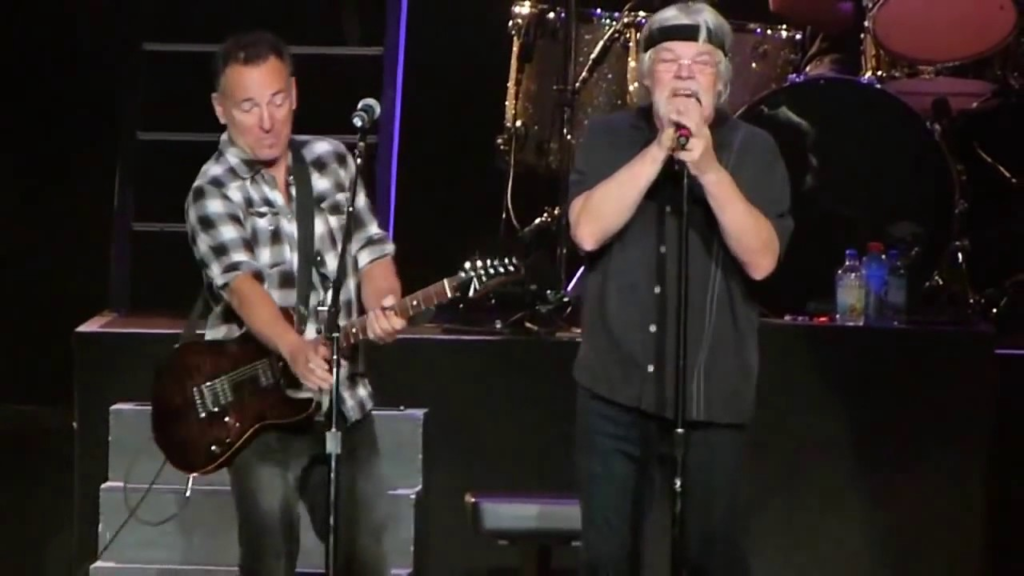
Midway through the show, Bruce Springsteen stepped onto the stage—unannounced, unprompted, and instantly recognizable. The reaction was immediate. What had already been a great night shifted into something else entirely.
When the Energy Changed
Seger had already drawn the audience in, holding the room with that unmistakable grit in his voice. The band was tight, the crowd responsive, the atmosphere alive.
Then Springsteen appeared.
In a matter of seconds, the energy lifted. It wasn’t just excitement—it was the sense that something rare was about to unfold. Two artists, both deeply rooted in the same musical tradition, now sharing the same stage without warning.
There was no need for buildup.
They went straight into the music.
A Song That Carries Its Own History
The choice felt natural: “Old Time Rock and Roll.”
It’s a song that doesn’t need introduction—a track that has carried its place in music history since its release in 1978. Its reach only grew after its unforgettable moment in the film Risky Business in 1983, where it became part of pop culture in a way few songs ever do.
But that night, it felt different.
Seger’s voice came through with the same rough-edged warmth that defined the original recording. Springsteen matched it with his own intensity, bringing a sense of urgency and movement that pushed the performance forward.
It wasn’t about recreating the original.
It was about inhabiting it.
Two Voices, One Moment
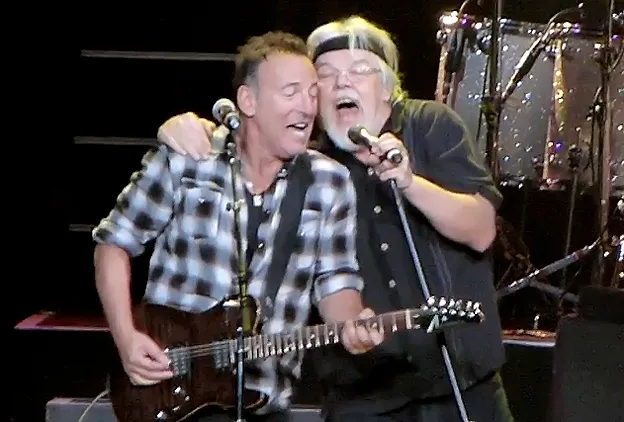
What made the performance stand out wasn’t just the surprise—it was the connection.
Seger and Springsteen have long shared a mutual respect, shaped by similar paths through American rock music. Both built their reputations on storytelling, on songs that reflect real lives and real experiences.
That shared foundation was easy to hear.
Seger’s grounded delivery anchored the song, while Springsteen added a restless energy that gave it new dimension. Together, they created something that felt both familiar and newly alive.
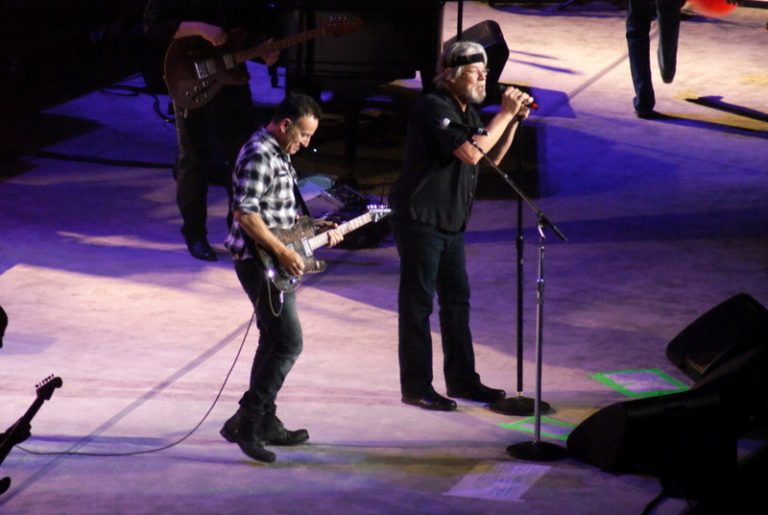
No elaborate staging. No extra layers.
Just two voices, a band, and a song that still knew how to move a room.
A Personal Thread for Springsteen
For Springsteen, the moment carried an added layer.
He had performed “Old Time Rock and Roll” before—most notably in 1989 at The Stone Pony, a venue closely tied to his early career. That performance had its own place in his history.
But sharing the stage with Seger at Madison Square Garden added something different.
It turned a song he had once revisited into a shared experience with the artist who made it iconic.
There was a sense of continuity in that—a thread connecting past performances to the present moment.
More Than a Guest Appearance
It would be easy to describe the moment as a surprise duet.
But it felt like more than that.
It was a meeting point—between two careers, two voices, and two interpretations of what rock music has always been about. It wasn’t just about the song itself, but what it represents: a genre built on connection, energy, and the ability to bring people together.
In that sense, the performance became something larger than either artist.
It became a reminder.
Why It Still Matters
Years later, that night at Madison Square Garden continues to stand out—not because it was planned to be historic, but because it wasn’t.
It happened naturally. Without buildup. Without expectation.
And maybe that’s what gives it staying power.
For the fans in the room, it was a moment of recognition—of seeing something unfold that couldn’t be repeated in quite the same way again.
For anyone who’s watched it since, it’s a glimpse into what live music can be when it’s stripped down to its essentials.
Two artists.
One song.
A shared understanding of what it means to play it.
The Spirit of Rock, Still Intact
In the end, the performance wasn’t about nostalgia.
It wasn’t about looking back.
It was about presence—about stepping into a song that has lived for decades and letting it breathe again in a new moment.
That’s the enduring strength of rock and roll.
It doesn’t just survive through recordings.
It lives in nights like this—when the unexpected happens, when artists meet in the middle, and when a familiar song finds a new way to feel alive.