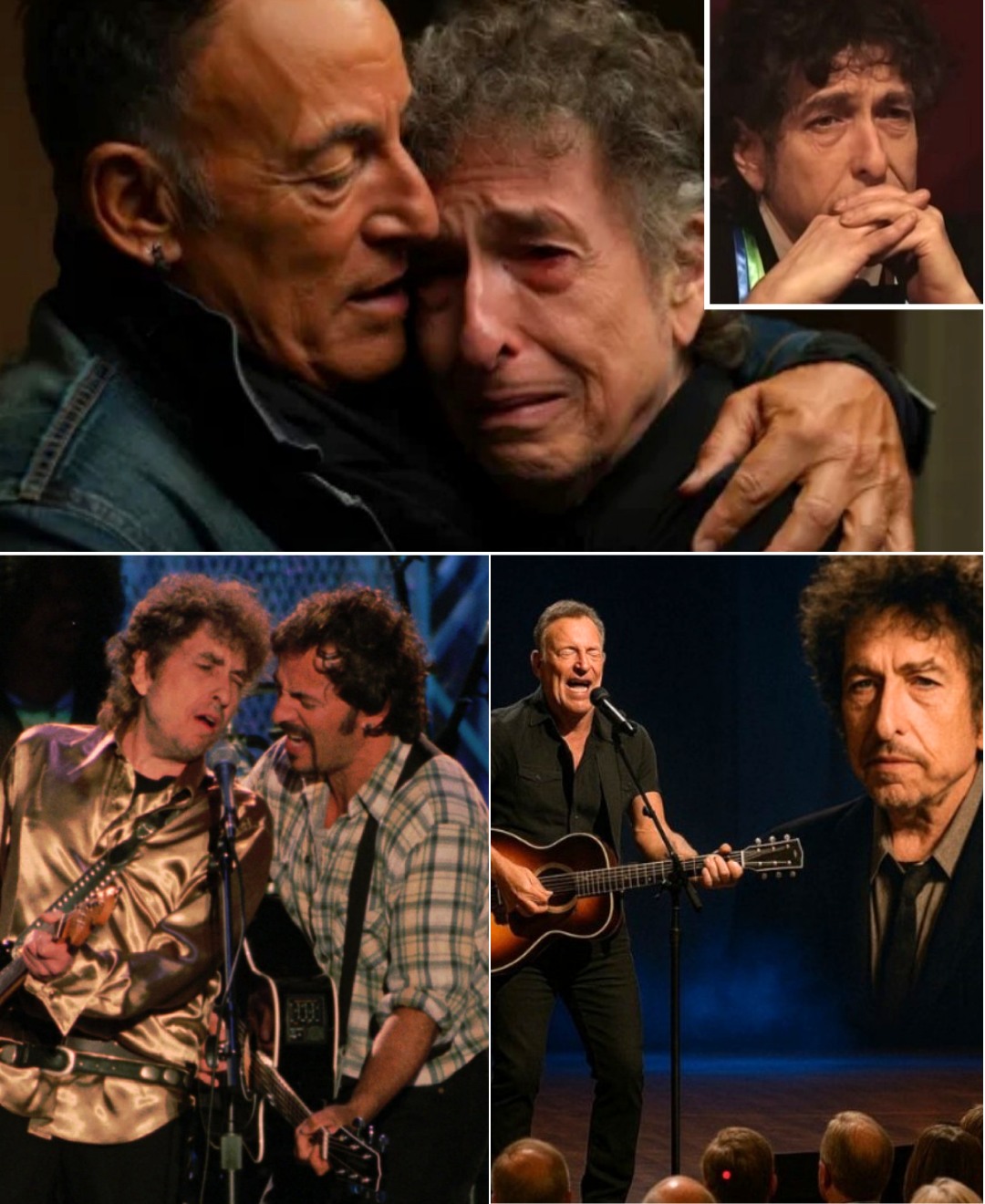
Imagine wandering the winding lanes of Naro, a tight-knit Sicilian village cradled by ancient stone walls, where a population under 8,000 shares every story like family secrets. In this world of familiar faces, a shy five-year-old boy named Piero Barone chased curiosity without a clue about the melody destiny had in store for him. To most folks there, he was just another kid kicking around the dusty streets.
But not to his grandfather, Pietro Ognibene. To him, Piero’s voice already hummed with an otherworldly spark.
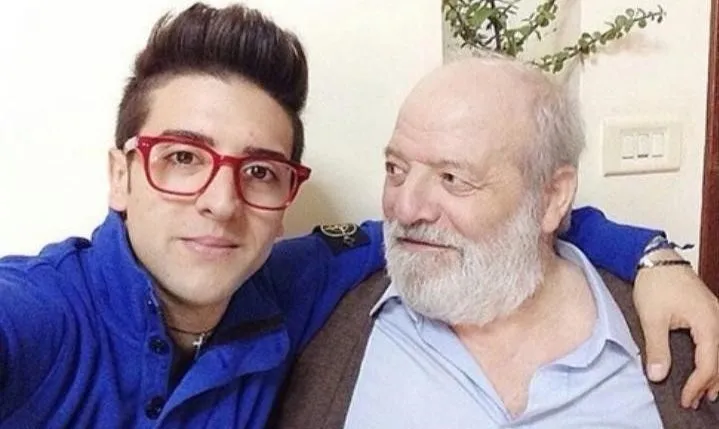
Pietro had music woven into his soul. He’d played instruments, soaked in every note, and penned his own tunes. Even after blindness stole his sight—erasing faces, hues, and the golden light spilling through windows—sound became his compass. A sour note jumped out like a false step; a truly gifted voice lit up his darkness like a spotlight.
One lazy afternoon in their humble Naro home, Pietro handed his grandson a sheet of lyrics in pure Sicilian, the dialect that bound their bloodline. “Sing this for me,” he said simply. Piero, all of five, stared at the page, oblivious that this innocent ask would echo through his life forever.
Then, the boy opened his mouth.
The room fell still, pierced only by that young voice. It wasn’t merely on pitch—it carried the weight of lifetimes, a raw power and depth surging from such a tiny frame, stirring emotions too big for words.
Pietro sat frozen, eyes unseeing but ears attuned. He couldn’t catch the boy’s shy glance or the way his small hands fidgeted. He didn’t need to. When the final note hung in the air, tears carved paths down the old man’s cheeks.
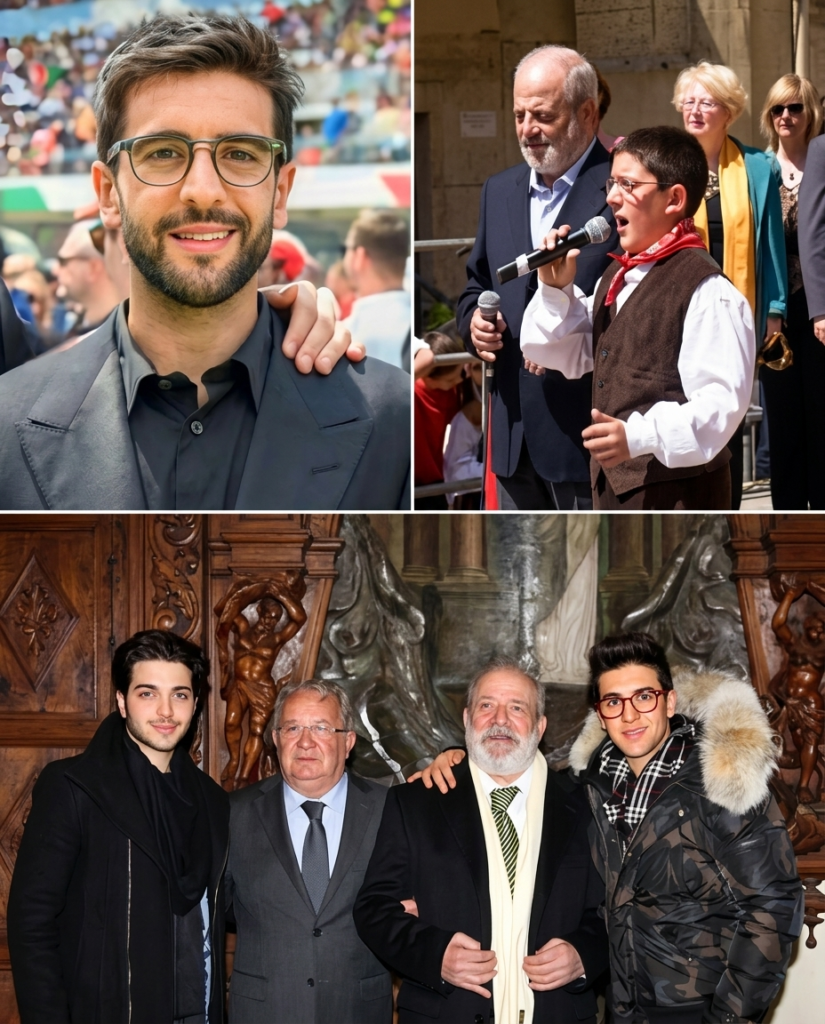
“That voice,” he whispered, “the world has to hear it.”
Pietro had no industry insiders, no hotline to Roman producers, no way to navigate a studio blind. But conviction burned brighter than any obstacle.
He roped in a friend, scrounged up the simplest recorder they could find—nothing fancy, likely glitchy and amateur. Quality? Irrelevant. What mattered was seizing the magic before it slipped away.
They hit record in that cramped space, bottling the boy’s gift on tape.
Word of the recording rippled through Naro like a wildfire tune. Neighbors played it first, then cousins, then friends of friends. Houses swapped it hand-to-hand, a treasure too exquisite to hoard. In a place where gossip flew fast, this spread like a hit single on repeat.
One question burned on every lip: How does a kid sing like that?
Time rolled on. Piero matured, but that voice held its spell. Eventually, the boy from Naro joined forces with Gianluca Ginoble and Ignazio Boschetto, birthing Il Volo. The trio conquered the globe, shifting millions of albums, packing arenas, and claiming stages once ruled by titans.
Piero belted out arias immortalized by Luciano Pavarotti in opulent theaters, beneath blazing spotlights, for crowds dwarfing Naro’s entire populace. Fans leaped to their feet mid-song, the air electric with standing ovations.
To outsiders, it screamed instant stardom.
Yet the true origin pulsed quietly, years earlier, far from the roar.
It sparked in a modest Sicilian room.
It ignited with a grandfather whose eyes failed but whose hearing pierced the veil.
Pietro never laid eyes on his grandson’s potential. One song laid it bare.
Long before spotlights found Piero Barone, a blind man in Naro had already heard the legend.