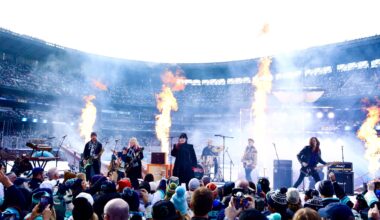
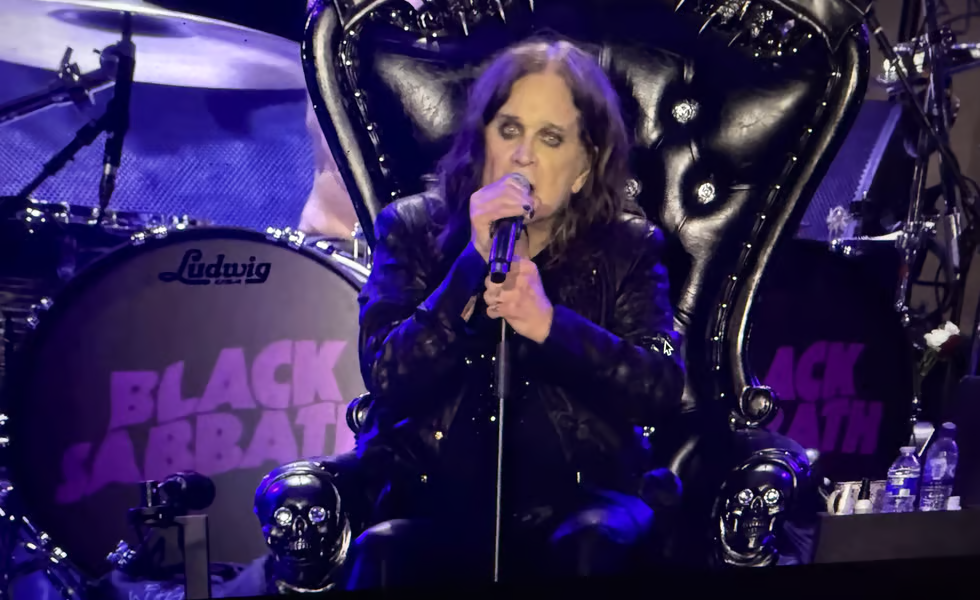
Feel the thunder of those final riffs at Black Sabbath’s “Back To The Beginning” farewell concert, the kind that rattle your chest and pull you back through decades of headbanging nights. As the last notes faded into the Villa Park sky, the crowd surged with love for Ozzy Osbourne, Tony Iommi, and the titans they’d become—icons etched in metal history. But amid the cheers and tears, a deeper nostalgia stirred, one that reached beyond the stage lights to the unsung souls who laid the foundation. Few in that sea of fans stopped to think of Thelma Riley, Ozzy’s first wife, the woman who was there when it all sparked to life, long before the madness took hold.
Picture Birmingham in the late ’60s: a gritty industrial heartbeat, where dreams clashed with daily grind. Thelma was a schoolteacher, grounded and steady, crossing paths with a young Ozzy—a restless dreamer with a voice like gravel and fire. They tied the knot in 1971, right as Black Sabbath’s debut album crashed onto the scene, rewriting the rules of heavy sound. In those whirlwind years, they built a family: two kids together, Jessica and Louis, plus Ozzy stepping up to adopt Thelma’s son Elliot from her earlier relationship. It was the raw, unpolished start of something massive, a home base amid the rising storm of sold-out gigs and screaming fans.
But rock ‘n’ roll doesn’t play gentle. As Ozzy’s fame skyrocketed—tours swallowing months, excess pulling him under—Thelma held the fort. She managed the home front, raising their children through long stretches of silence broken only by rare calls or fleeting visits. No paparazzi flashes, no reality TV drama like the Sharon era; just the quiet grind of keeping a family afloat while the world claimed her husband. Their story carried love, sure, but also the scars of absence and strain—real life unfolding in the margins of album sleeves and tour posters.
Decades on, Ozzy looked back with unflinching honesty in his memoir, labeling their marriage “a terrible mistake.” Not a knock on Thelma, but a raw admission of his own failings. “I put her through hell,” he wrote. “I didn’t know how to be a husband or a father.” Those words cut deep, humanizing the Prince of Darkness as just a man—flawed, learning too late amid the haze of drugs and spotlights. It’s the kind of confession that hits every music fan who’s ever wondered about the toll behind the anthems.
During that farewell show, Ozzy’s voice might’ve wavered with the weight of years, each lyric a thread to his origins. Yet under the arena’s roar, Thelma’s quieter tale lingered like an echo in the mix—a woman who braced the early chaos, shouldered the load of his ascent, and stepped away without fanfare or grudge. She never grabbed a mic, never chased the glow, but her steadiness helped forge the icon we mourn and celebrate.
Thelma Riley’s chapter closes softly in rock’s loud legend, a reminder that behind every riff and rebellion beats a human pulse. As Black Sabbath signed off for good, her name deserved a nod in the afterglow—a tribute to the endurance, heartbreak, and silent strength that fueled the fire from day one. In the stories we tell about our heroes, it’s these hidden harmonies that make the music eternal.