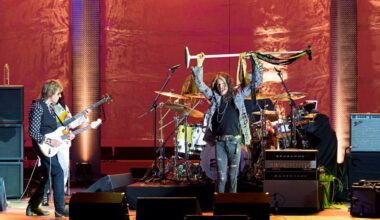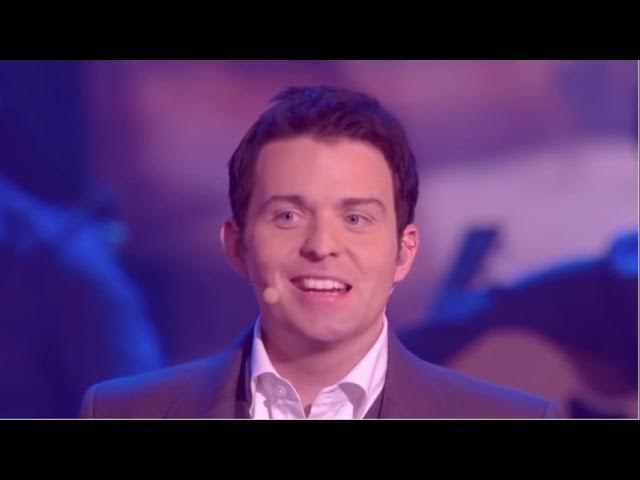
There is a specific kind of magic that happens when a song stops being a sequence of chords and starts being a mirror. Celtic Thunder’s stirring rendition of The Eagles’ timeless masterpiece, “Desperado,” is exactly that—a soul-searching performance that leans into a universal truth we all eventually face. It captures the exhausting rhythm of running, the heavy fatigue that comes from trying to navigate the world entirely on our own terms, and that quiet, persistent yearning for the sanctuary that only true love can provide. In the hands of these performers, the song feels profoundly tender, as if every musical phrase is a whispered prayer and every lyric a gentle plea for a weary heart to finally return home.
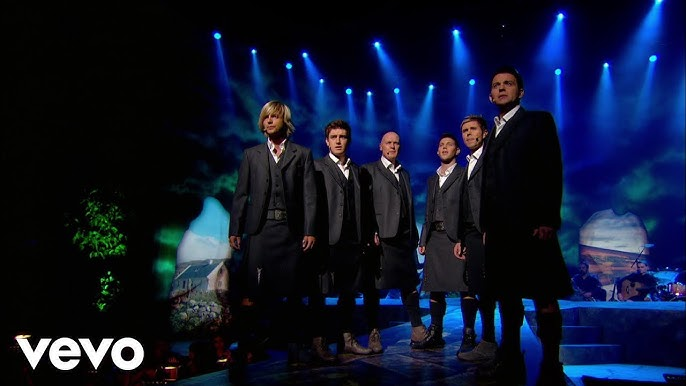
What makes this interpretation so striking is the way this particular ensemble approaches the quintessential American “cowboy song.” As an Irish group celebrated for their vocal power and ability to fuse traditional Celtic roots with contemporary sounds, Celtic Thunder has carved out a unique space in music culture since their formation in 2008. They have become masters of the “flavorful mix,” effortlessly blending the rugged charm of Irish folk with the polish of pop, classical, and country. Their shows are known for a dynamic range—swinging from high-energy, toe-tapping spectacles to those hushed, fragile moments that seem to stop time and captivate the heart.
Having graced television screens across the globe and embarked on extensive world tours, the group is synonymous with classics like “Danny Boy.” However, their true secret weapon is their gift for connection. They don’t just sing “Desperado”; they translate it. The song has always been a poignant exploration of love, isolation, and the double-edged sword of freedom, and through the lens of Celtic Thunder, those themes feel even more urgent.
The impact is immediate. As the lyrics unfold—“Desperado, why don’t you come to your senses?”—it becomes clear that this isn’t just a question posed to a fictional outlaw on the plains. It is a question directed at every one of us, addressing the metaphorical wilderness we wander in our own lives and the emotional fences we’ve spent far too long hiding behind. There is a quiet, steady grace in their delivery, sounding less like a performance and more like a compassionate invitation to step out of the shadows and into a peace that defies simple explanation.
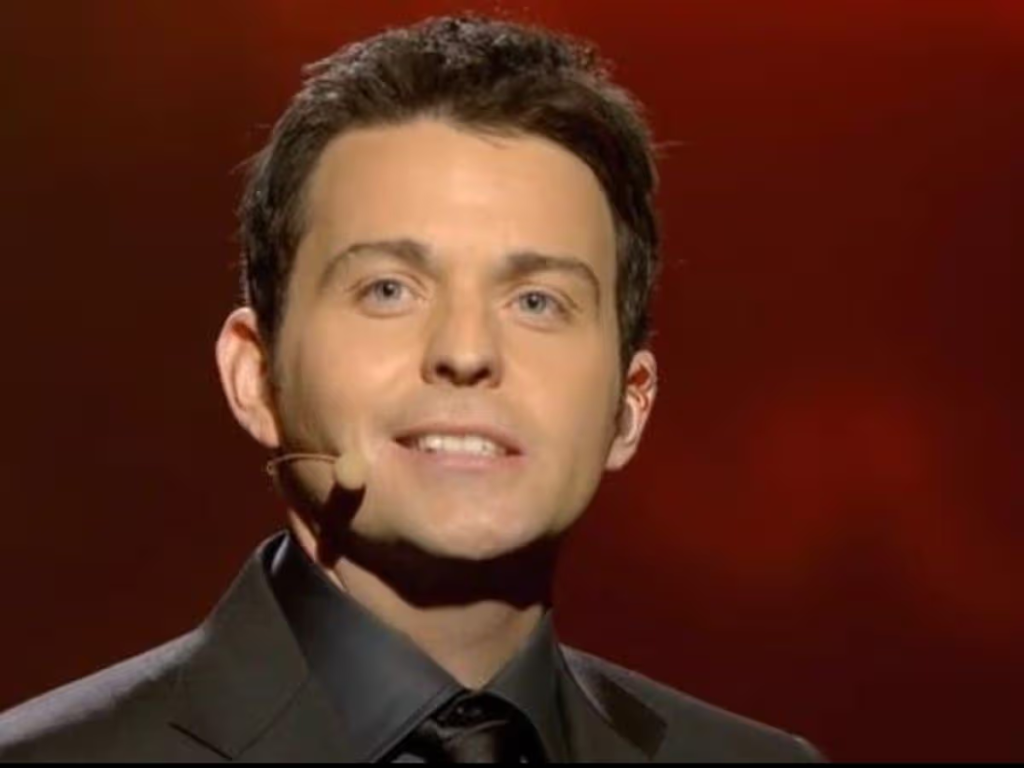
The weight of the middle verse carries a particular gravity in this version:
Desperado, woah, you ain’t gettin’ no younger
Your pain and your hunger, they’re drivin’ you home
And freedom, oh, freedom, well, that’s just some people talkin’
Your prison is walkin’ through this world all alone
It forces the listener to confront that familiar ache—the restless hunger for something we can’t quite name, a bone-deep longing that doesn’t fade with time. It is the kind of internal drive that often pushes us toward unexpected destinations, sometimes leading us right back to where we started.
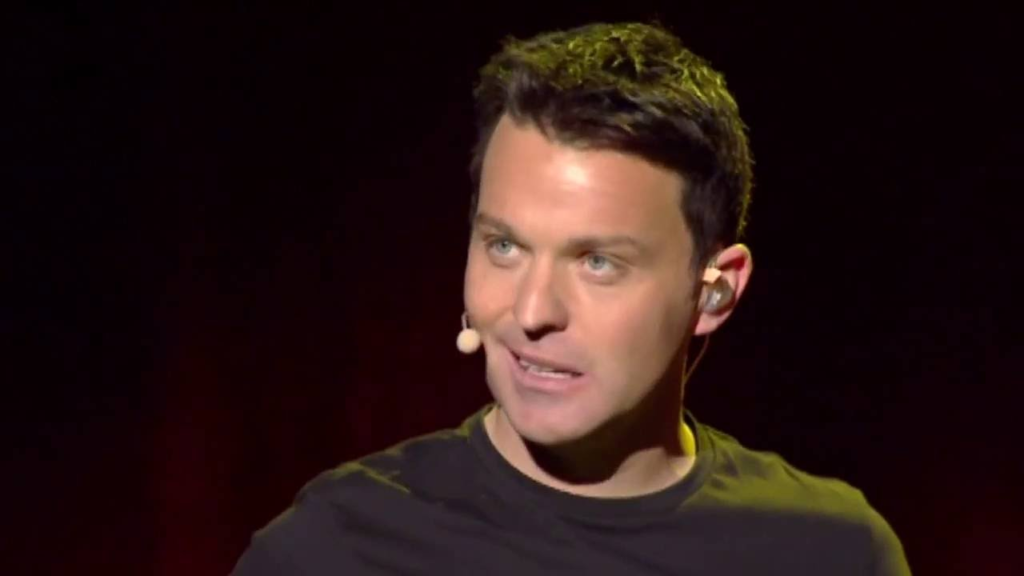
When they reach the climactic warning—“You better let somebody love you before it’s too late”—the message strikes at the very core of the human experience. It serves as a reminder that the most courageous thing we can do is drop our guard and let love in. For many, this resonates as a spiritual calling to tear down the walls we’ve built around our hearts while the opportunity still remains. It’s an affirmation that the door is still open, and there is still time to find refuge in a love that is constant and unconditional.
Whether you are drawn to the song for its rugged imagery of a wandering spirit or the deeper realization that being lost isn’t a permanent state, the performance leaves you with a singular, comforting thought: love is waiting, regardless of the weather or the distance traveled. At its heart, this is a story of redemption. It’s a musical reminder that no matter how far we’ve wandered or how much “freedom” we’ve claimed, there is always a voice calling us back to where we truly belong.