In a city where the air still hums with the spirit of Prince, a concert originally billed as a celebration of Bruce Springsteen’s blue-collar rock ‘n’ roll transformed into something far more ethereal. It was a night where the boundaries between a live performance and a spiritual wake blurred, leaving an entire arena suspended in a state of collective awe.
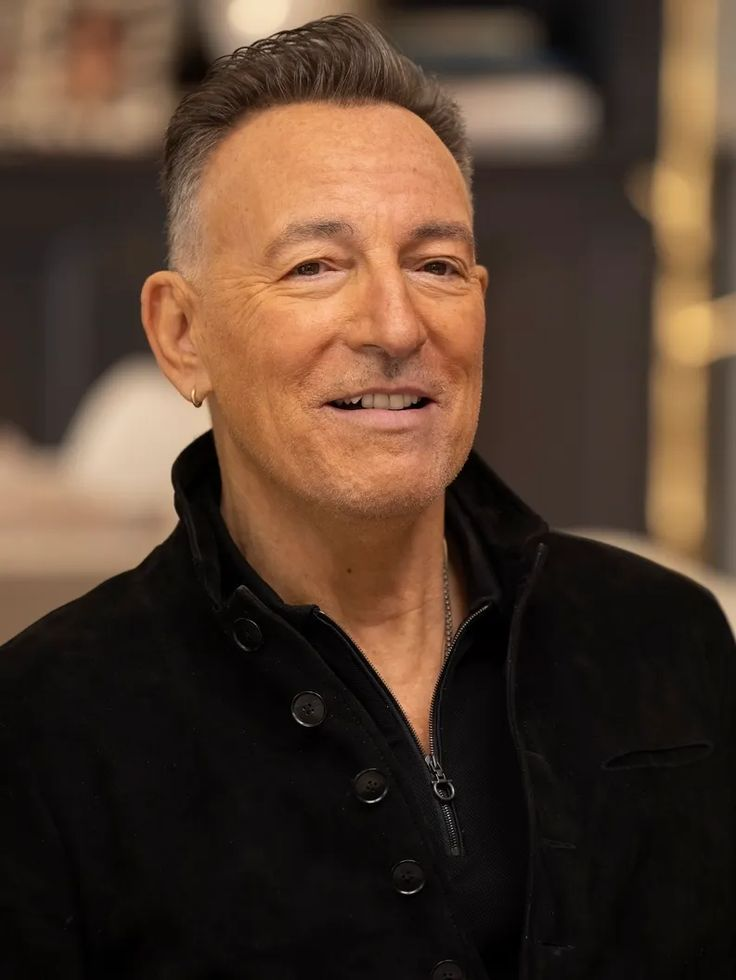
The scene was set in Minneapolis, a town forever anchored by the legacy of its “Purple One.” Thousands had poured into the venue for the opening night of Springsteen and the E Street Band’s latest tour, expecting the usual marathon of sweat-soaked anthems and the high-octane energy that has defined The Boss for over half a century.
What they received instead was a moment that would fundamentally shift the gravity of the entire evening.
A Surprise That Stilled the Room
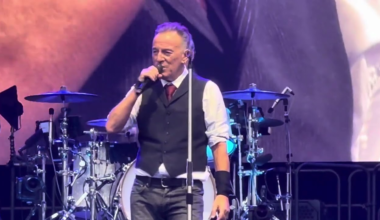
Deep into the set, Springsteen broke the expected rhythm. He paused, stepping away from the familiar cadence of his hits to introduce a guest whose very presence signaled that the night was about to take an unusual turn.
Out stepped Tom Morello, a guitarist whose reputation for sonic innovation and deep reverence for rock history made him the perfect accomplice for what was coming. Within seconds, the first crystalline, unmistakable notes of “Purple Rain” drifted through the rafters.
Initially, there was a ripple of hesitation—a “could it be?” moment. Then came the surge of recognition. Finally, a heavy, profound silence settled over the crowd.
The Weight of a Song
In Minneapolis, “Purple Rain” isn’t just a hit record; it’s a cultural landmark. It is a piece of music that carries the weight of identity, memory, and the very soul of the city. To cover it in Prince’s backyard is not a task for the faint of heart; it is a profound responsibility.
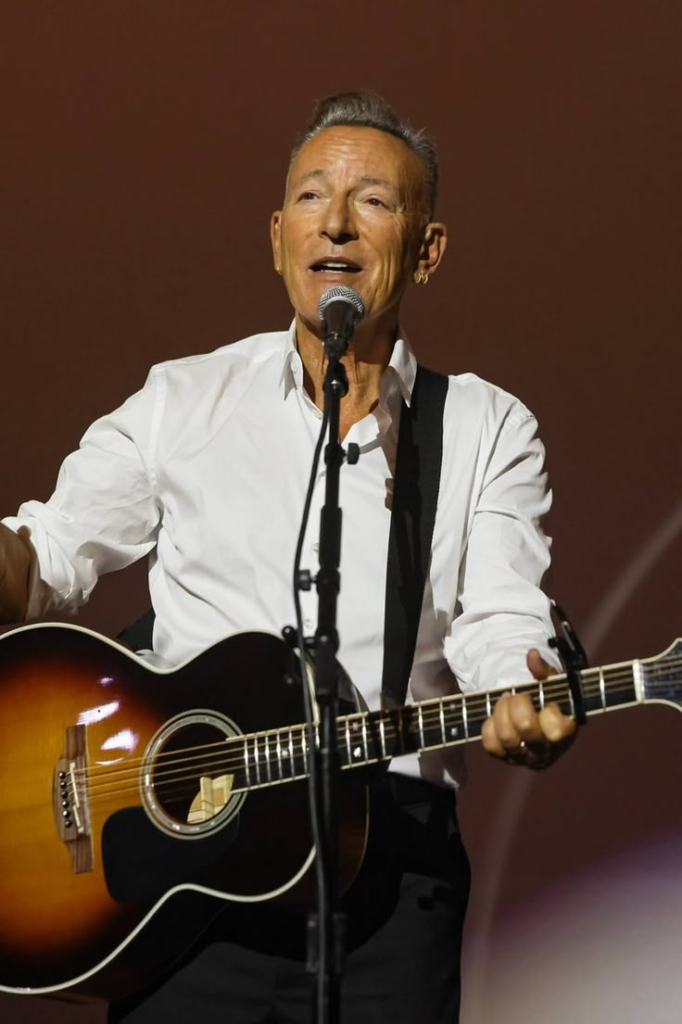
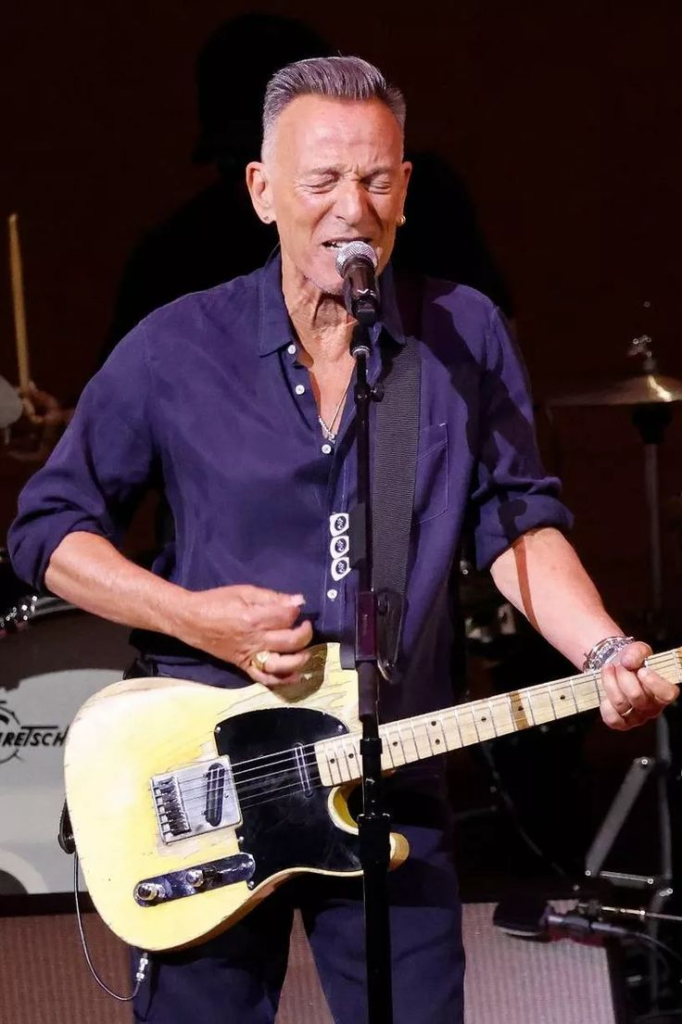
Springsteen approached the song with an artisan’s touch, stripping away any unnecessary stadium theatrics. He allowed the track to breathe in its most vulnerable form: raw vocals, weeping guitars, and pure, unadulterated feeling.
A Performance Rooted in Respect
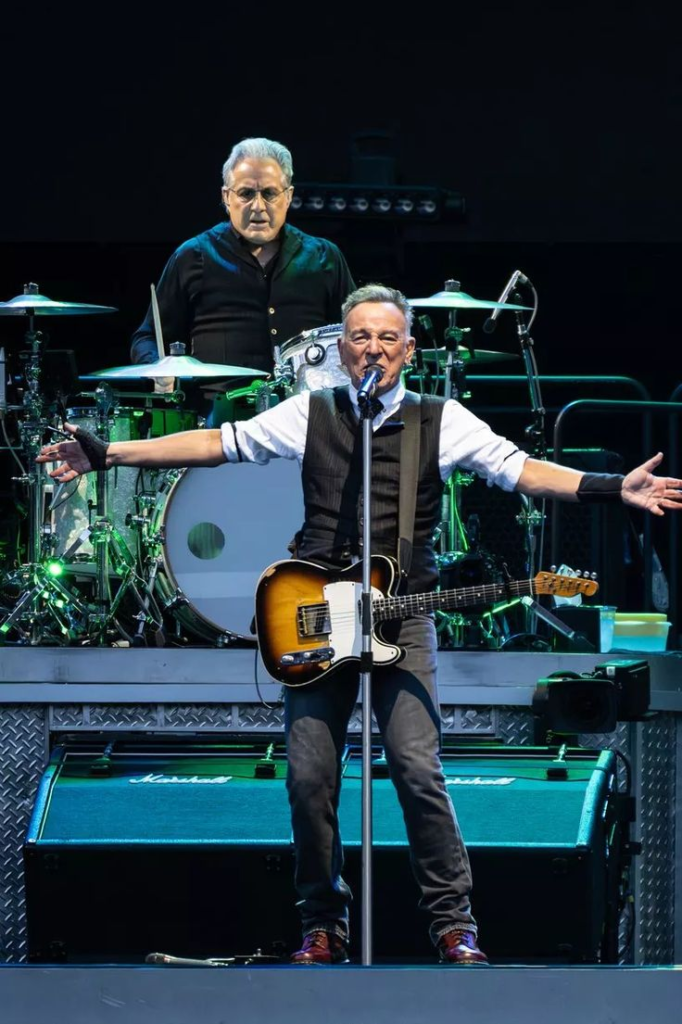
There were no attempts to “Springsteen-ify” the track or turn it into a flashy reinterpretation. Instead, it was a masterclass in balance. Morello’s guitar work brought a scorching intensity that never threatened to overshadow the song’s delicate heart, while Bruce’s vocals leaned into a gravelly sincerity. He didn’t aim for Prince’s otherworldly falsetto; he aimed for the truth behind the lyrics.
The result was deliberate, grounded, and deeply respectful—a veteran artist tipping his cap to a fallen contemporary.
An Arena Holds Its Breath
As the song swelled, the atmosphere inside the arena shifted into something rare. It was no longer a concert; it was a communal experience. Phones rose slowly to capture the glow, and voices began to join in, not with a roar, but with a hushed, melodic reverence. For a few minutes, the frantic energy of a rock show dissolved into a reflective stillness, as if every person in the building realized they were witnessing a “once-in-a-lifetime” moment.
The Emotional Breaking Point
When the performance finally reached its peak, the silence didn’t just break—it erupted. It wasn’t the chaotic cheering of a sports crowd, but an overwhelming release of emotion. Thousands of voices converged in a wall of sound. Tears were visible on the faces of fans across the floor, moved by the sheer weight of the tribute they had just shared.
More Than a Cover
The true power of the moment lay in the realization that this wasn’t a “cover” in the traditional sense. It was a conversation across time. Springsteen wasn’t trying to replace Prince or mimic him; he was acknowledging a brother-in-arms.
Both artists share a legacy built on authenticity and the belief that music is a vessel for something deeper than mere entertainment. In that arena, the two legacies met—one living and one eternal—fusing together for five minutes of pure connection.
The Digital Echo and a Lasting Legacy
As expected, the moment didn’t stay within the arena walls. Within hours, footage of the performance caught fire online, racking up millions of views. Fans and critics were unanimous: this was one of the most significant tributes in recent memory because it couldn’t be manufactured. It was lightning in a bottle.
In an era of music defined by massive LED screens and perfectly synced tracks, this moment stood out for its simplicity. it proved that you don’t need excess to create a connection; you only need honesty. It reminded us that songs are living things that continue to evolve every time they are shared.
A Night to Remember
As the E Street Band eventually pivoted back to their own legendary catalog, the ghost of that performance lingered. For those in attendance, it was no longer just a tour opener. It had become a milestone.
Bruce Springsteen did more than just play a song that night. He created a sanctuary where music, memory, and meaning collided. He reminded us of a simple, beautiful truth: great music never truly belongs to the past. It belongs to every heart that beats along to it in the moments that follow.