For decades, Bruce Springsteen has built his legacy around songs about working-class struggle, restless hope, disillusionment, and the complicated reality of America itself. Politics has always existed somewhere inside his music, woven through stories of factories, highways, veterans, and broken dreams. But in recent months, the conversation surrounding Springsteen has shifted far beyond lyrics and live performances.
Now, the rock icon finds himself at the center of one of the most heated cultural debates in the country.
As his global Land of Hope and Dreams tour continues, Bruce Springsteen has become increasingly outspoken in his criticism of Donald Trump and the current political climate. What once felt like indirect commentary through music has evolved into direct public confrontation, creating a wave of reactions from fans, political figures, and commentators across the country.
The tension reached a new level during a recent interview with Time, where Springsteen responded sharply when asked about Trump’s repeated public attacks against him.
“I couldn’t care less what he thinks about me,” Springsteen said. “He’s the living personification of what the 25th Amendment and impeachment were for. If Congress had any guts, he’d be consigned to the trash heap of history.”
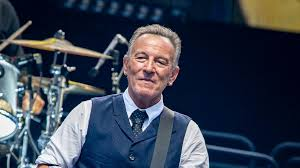
The quote immediately spread across social media, news outlets, and political discussions online. For many fans, hearing Springsteen speak so openly and bluntly marked a significant escalation in his long-running criticism of Trump. While Springsteen has voiced political opinions throughout his career, the intensity of these comments stood out even to longtime followers.
The reference to the 25th Amendment and impeachment carried particular weight because it moved beyond general criticism and directly invoked constitutional mechanisms tied to presidential removal from office. Supporters praised Springsteen for speaking candidly about his beliefs, while critics accused him of becoming overly political and divisive.
The interview, however, was only part of a much larger atmosphere surrounding the tour itself.
Throughout recent performances, Springsteen has used the stage not only as a place for music, but also as a platform for political commentary. Before launching into songs that have defined generations of fans, he has delivered emotionally charged speeches about the state of the country and the direction he believes America is heading.
At one recent performance in Chicago, Springsteen reportedly told the audience:
“The America I love is currently in the hands of a corrupt, incompetent, and treasonous administration.”
The statement triggered immediate reactions online and further intensified the divide between fans who admire Springsteen’s willingness to speak openly and those who believe musicians should avoid political confrontation altogether.
Over the course of the tour, Springsteen has criticized what he sees as attacks on democratic values, accused political leaders of siding with authoritarian figures, and expressed frustration over issues involving workers, government accountability, and social division. For some concertgoers, these speeches have made performances feel more urgent and emotionally charged. For others, they have turned concerts into uncomfortable political battlegrounds.
The backlash from Trump and his supporters arrived quickly.
Trump responded publicly on Truth Social, mocking Springsteen and dismissing him with a series of personal insults. The former president called the singer a “total loser,” a “pushy, obnoxious jerk,” and criticized both his intelligence and his concerts. Trump also encouraged supporters to boycott Springsteen’s shows.
The exchange immediately fueled another round of online debate, with supporters on both sides amplifying the conflict across social media. Some Trump supporters posted videos destroying Springsteen records or criticizing celebrities who publicly speak about politics. Others defended Springsteen’s right to express his views freely, arguing that artists have always played a role in political and cultural conversations.
What makes the situation particularly complicated is the contrast between political disagreement and personal humanity.
Despite his harsh criticism of Trump, Springsteen reportedly offered prayers and public concern following a dangerous shooting incident connected to the White House Correspondents’ Dinner. According to sources close to the E Street Band, Springsteen’s position was that compassion for someone’s safety does not erase political opposition.
“We can pray for a man’s life while simultaneously fighting against everything he stands for,” one source reportedly explained.
That tension—between empathy and political conviction—has become central to the larger public conversation surrounding Springsteen’s recent comments.
For music fans, the debate also raises broader questions about the role artists play in public life. Bruce Springsteen has never been viewed solely as an entertainer. His career has always been tied to ideas about America, identity, class, hope, and disillusionment. To some listeners, his current political stance feels like a continuation of themes that have existed in his music for decades. To others, it feels like a departure from the unity and storytelling they once associated with his work.
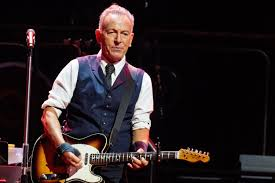
As the Land of Hope and Dreams tour moves from city to city, the atmosphere surrounding Springsteen performances now carries an unusual mix of celebration, tension, admiration, and controversy.
At 76 years old, Bruce Springsteen remains one of the most influential figures in American music culture. Whether audiences see him as courageous, divisive, outspoken, or confrontational often depends entirely on their own political perspective.
But one thing is undeniable: the conversation surrounding “The Boss” has become louder than it has been in years.
And in today’s deeply divided cultural landscape, Bruce Springsteen’s voice continues to resonate far beyond the stage.