For decades, Bruce Springsteen built his legacy on songs about working people — factory towns, struggling families, restless dreamers, and everyday Americans trying to hold onto dignity through difficult times. His music became deeply tied to the image of the blue-collar storyteller, a rock star whose lyrics often centered on hardship, resilience, and life on the edge of the American dream.
But during his recent stop at Prudential Center in Newark, criticism surrounding Springsteen’s public image and political messaging reached a new level.
One of the sharpest critiques came from Bobby Olivier, a food and culture editor and music reporter for NJ Advance Media, who published a strongly worded column accusing Springsteen of drifting away from the values that once defined his music and reputation.
In the article, Olivier described the concert as “hypocritical,” arguing that the gap between Springsteen’s populist image and the realities of his touring business has become increasingly difficult to ignore.
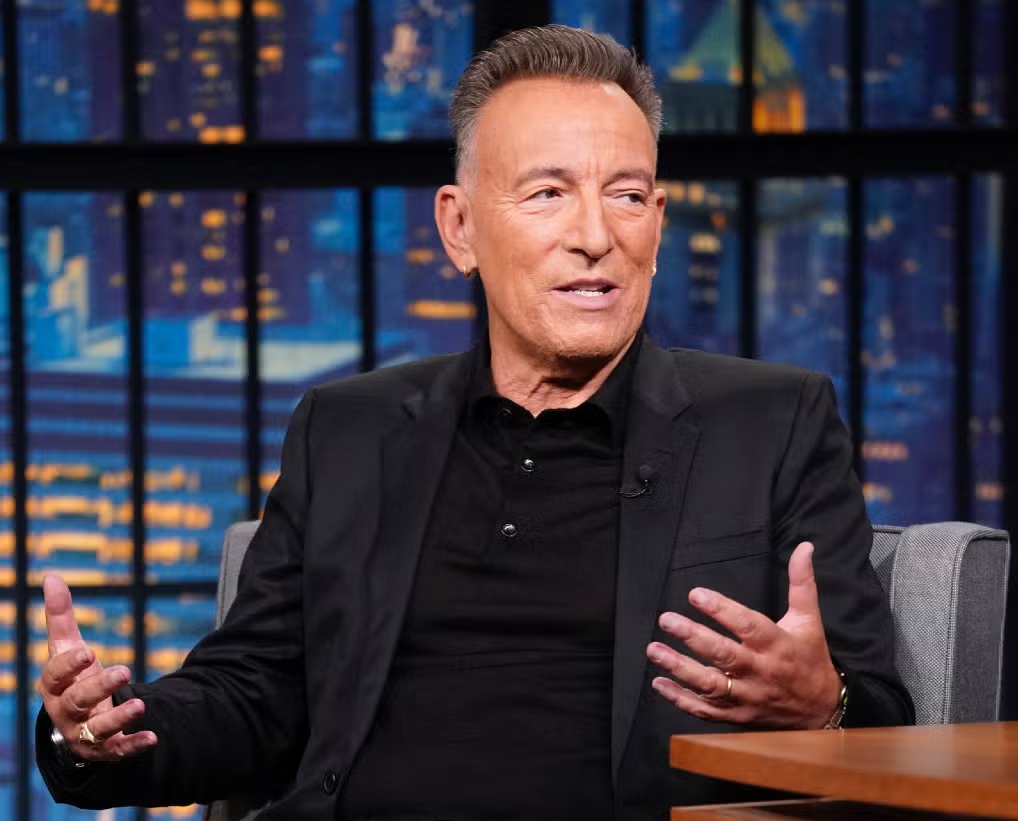
According to Olivier, the contradiction was especially visible in the economics surrounding the tour itself. He pointed to ticket prices reportedly reaching as high as $2,900 for premium seats at the Newark show, despite years of Springsteen cultivating an identity as a voice for working-class Americans.
“Springsteen’s artistic identity, as a bleeding-heart populist who sings for the destitute and downtrodden, has never been more disconnected from his economic behavior as a touring act or businessman,” Olivier wrote in the widely discussed column published by NJ.com.
The criticism didn’t stop at ticket pricing. Olivier also took issue with merchandise being sold during the concert, specifically referencing “No Kings” branded flags reportedly priced at $90 inside the arena concourse. To the journalist, the products symbolized what he viewed as the commercialization of political frustration and public division.
At the same time, Olivier highlighted reports that Springsteen’s merchandise distributor had obtained an injunction aimed at preventing bootleg T-shirt vendors from selling outside the venue. He contrasted that move with the independent sellers frequently seen outside other arena concerts, arguing that many of those vendors represented the same working-class communities Springsteen’s music has celebrated for decades.
The controversy surrounding the Newark concert is also tied closely to the increasingly political tone of Springsteen’s recent tour. According to reporting discussed widely online, the musician’s “Land of Hope and Dreams American Tour” has featured repeated criticism of Donald Trump and his administration, with political commentary becoming a major part of the live performances.
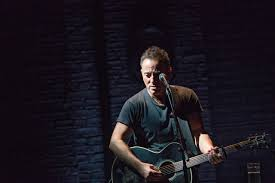
During one appearance, Springsteen reportedly told the audience: “The America I’ve written about for 50 years, that has been a beacon of hope and liberty around the world, is currently in the hands of a corrupt, incompetent, racist, reckless and treasonous administration.”
For some longtime fans, the political messaging has felt consistent with Springsteen’s history of activism and outspoken social commentary. But others argue that the balance between music and politics has shifted too far, turning concerts that once felt centered on storytelling and connection into events increasingly dominated by political frustration and cultural division.
That tension became a central focus of Olivier’s criticism.
“The unrecognizable reality of the 2026 Springsteen experience, coupled with this tour’s political framing — an exploitation of American division and outrage in a manner no better than any cable news pundit — is a damning contradiction, a lapse in logic,” he continued in his column.
The journalist also suggested that the current direction of the tour risks affecting how Springsteen’s later career will ultimately be remembered.
“It threatens to tarnish the final act of Bruce’s career and is no small tragedy for New Jersey’s greatest rock star,” Olivier wrote.
Meanwhile, the political feud surrounding the concerts has extended beyond critics and concertgoers. President Donald Trump has publicly responded to Springsteen’s comments as well, criticizing the musician and encouraging supporters to boycott the tour. Trump reportedly referred to the rock icon as a “dried up prune” while mocking his appearance and political statements.
The backlash and debate have fueled intense online discussion, with social media sharply divided between supporters defending Springsteen’s right to speak openly about politics and critics accusing him of losing touch with the audience that helped build his legacy.
For many music fans, the controversy raises a larger question that often surrounds artists whose careers span generations: how does a performer balance political conviction, commercial success, and the public identity that fans have connected to for decades?
In Springsteen’s case, that question appears more complicated than ever.
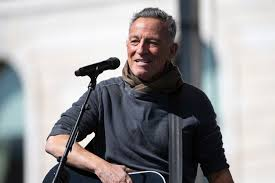
To supporters, he remains an artist using his platform to speak passionately about issues he believes matter. To critics, the soaring ticket prices, political branding, and increasingly confrontational stage speeches feel disconnected from the working-class image that once made him relatable to millions.
Either way, the conversation surrounding Bruce Springsteen has clearly moved beyond music alone. His concerts are now becoming cultural flashpoints — places where politics, celebrity, identity, and expectations collide in real time.
And as the “Land of Hope and Dreams” tour continues, the debate surrounding the legendary rocker shows little sign of slowing down.