As Stephen Colbert prepared to enter the final days of his run as host of The Late Show, one of rock music’s most enduring voices stepped onto the stage to help mark the moment.
The audience inside the Ed Sullivan Theater knew they were witnessing a significant chapter in late-night television history. After nearly eleven years hosting The Late Show and more than 1,800 episodes on CBS, Colbert was approaching the end of an era. But when Bruce Springsteen appeared on the penultimate episode Wednesday night, the conversation quickly expanded beyond television nostalgia.
The 76-year-old rock icon arrived with both support for Colbert and a message of his own.
Moments after taking the stage, Springsteen drew applause from the audience when he voiced his support for the longtime host. His remarks quickly turned political as he criticized President Donald Trump and also took aim at Paramount Skydance leadership, connecting his comments to the broader circumstances surrounding the show’s cancellation.
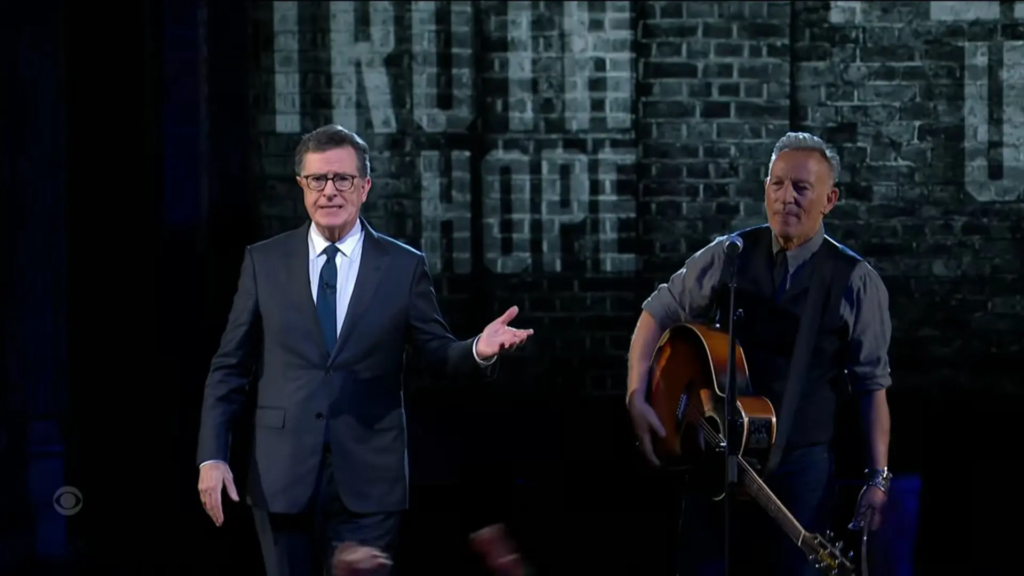
Speaking directly to the crowd, Springsteen described Colbert as someone who had become a target because of his willingness to challenge those in power through comedy and commentary. He then referenced Paramount leadership, including CEO Larry Ellison and his son David Ellison, suggesting that corporate interests had played a role in decisions surrounding the media landscape.
The comments immediately became one of the most discussed moments of the evening.
For longtime Springsteen fans, the outspoken remarks were not entirely surprising. Throughout his career, The Boss has often used both interviews and performances to express his views on social and political issues. His music has frequently explored themes of working-class life, identity, community, and the relationship between citizens and institutions of power.
But the evening wasn’t only about political commentary.
It was also about music.
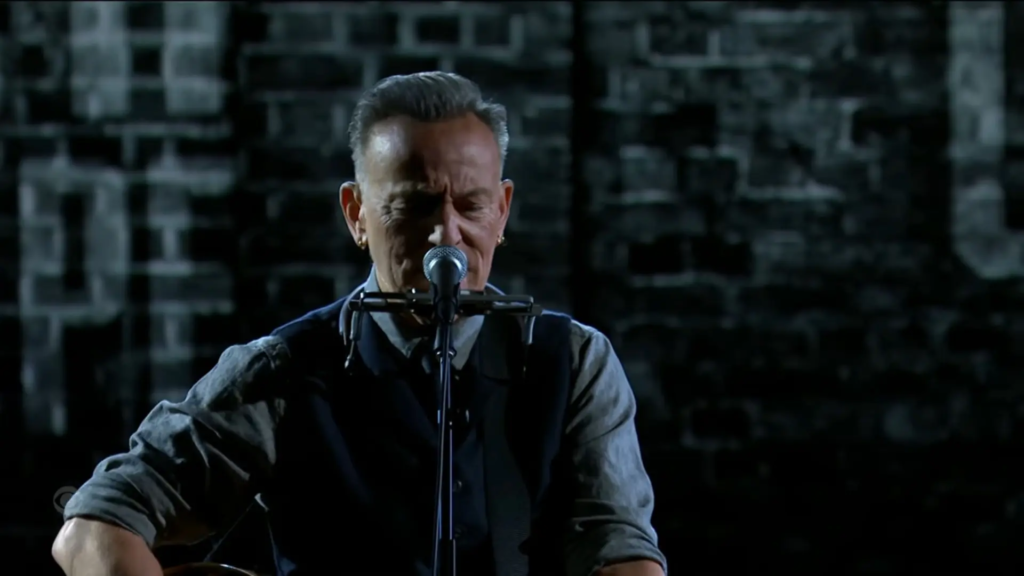
Following his remarks, Springsteen performed “Streets of Minneapolis,” a song he released earlier in the year. The track was dedicated to Alex Pretti and Renee Good, two anti-ICE protesters who were killed during immigration enforcement operations in Minneapolis. The performance brought a more reflective tone to the broadcast, highlighting Springsteen’s continued commitment to addressing contemporary issues through songwriting.
As cameras focused on the stage, viewers were reminded of one of the qualities that has defined Springsteen’s career for decades: his belief that music can serve as both entertainment and social commentary.
The appearance unfolded against the backdrop of significant changes within the media industry.
In August 2025, Paramount completed its $8.4 billion merger with Skydance following a lengthy negotiation process. David Ellison, formerly the CEO of Skydance Media, assumed leadership of the newly formed Paramount Skydance organization after the deal was finalized.
Only weeks later, CBS announced that The Late Show with Stephen Colbert would come to an end.
Network executives have consistently maintained that the decision was based on financial considerations, citing reports that the program was operating at an annual loss estimated at approximately $40 million. CBS has repeatedly denied suggestions that politics influenced the cancellation.
Not everyone has accepted that explanation.
Several high-profile figures, including former Late Show host David Letterman and fellow late-night personality Jimmy Kimmel, publicly questioned the reasoning behind the decision. Their skepticism added another layer to an already heated public conversation about media ownership, corporate priorities, and creative independence.
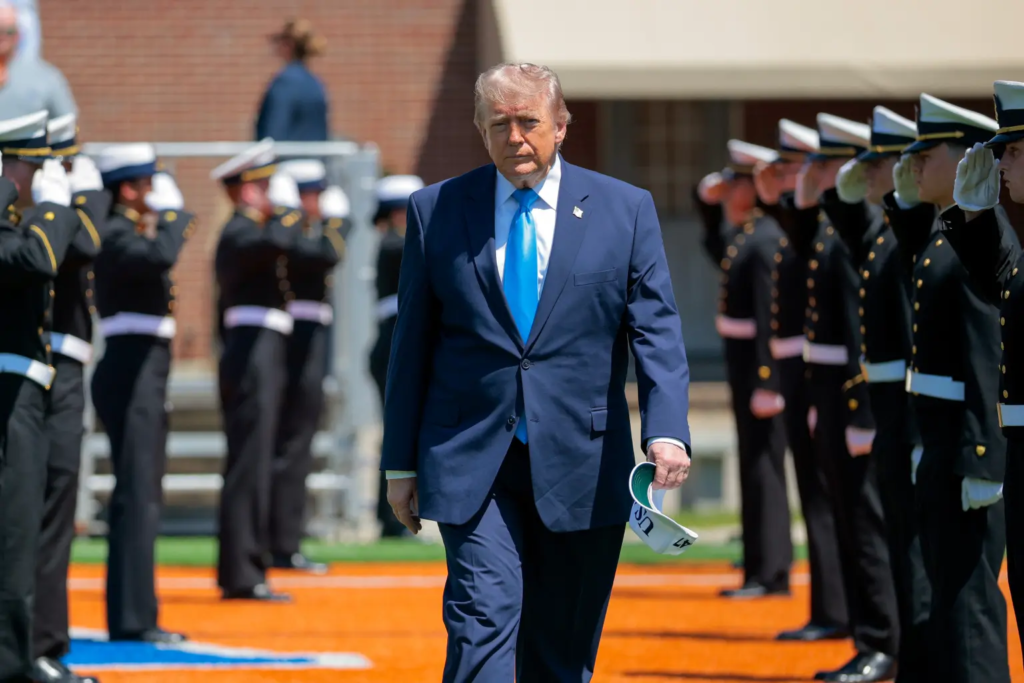
Meanwhile, President Trump has remained a longtime critic of both Colbert and Springsteen.
Last year, he publicly celebrated the cancellation of Colbert’s program, describing the host in harsh terms on social media. In recent months, Springsteen has also found himself the subject of criticism from the president, further fueling the public feud between the two prominent figures.
As the evening came to a close, however, what remained most memorable for many viewers was not the controversy itself.
It was the image of a legendary musician standing beside a longtime television host during a moment of transition. Through sharp commentary, live music, and unmistakable conviction, Bruce Springsteen transformed a late-night appearance into something larger—a reflection on art, public discourse, and the role performers continue to play in shaping cultural conversations.
For music fans watching at home, it was another reminder that Springsteen’s impact has never been limited to records and concert stages. Decades into his career, he remains an artist willing to use his voice wherever he finds a microphone.