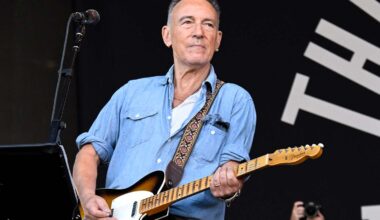
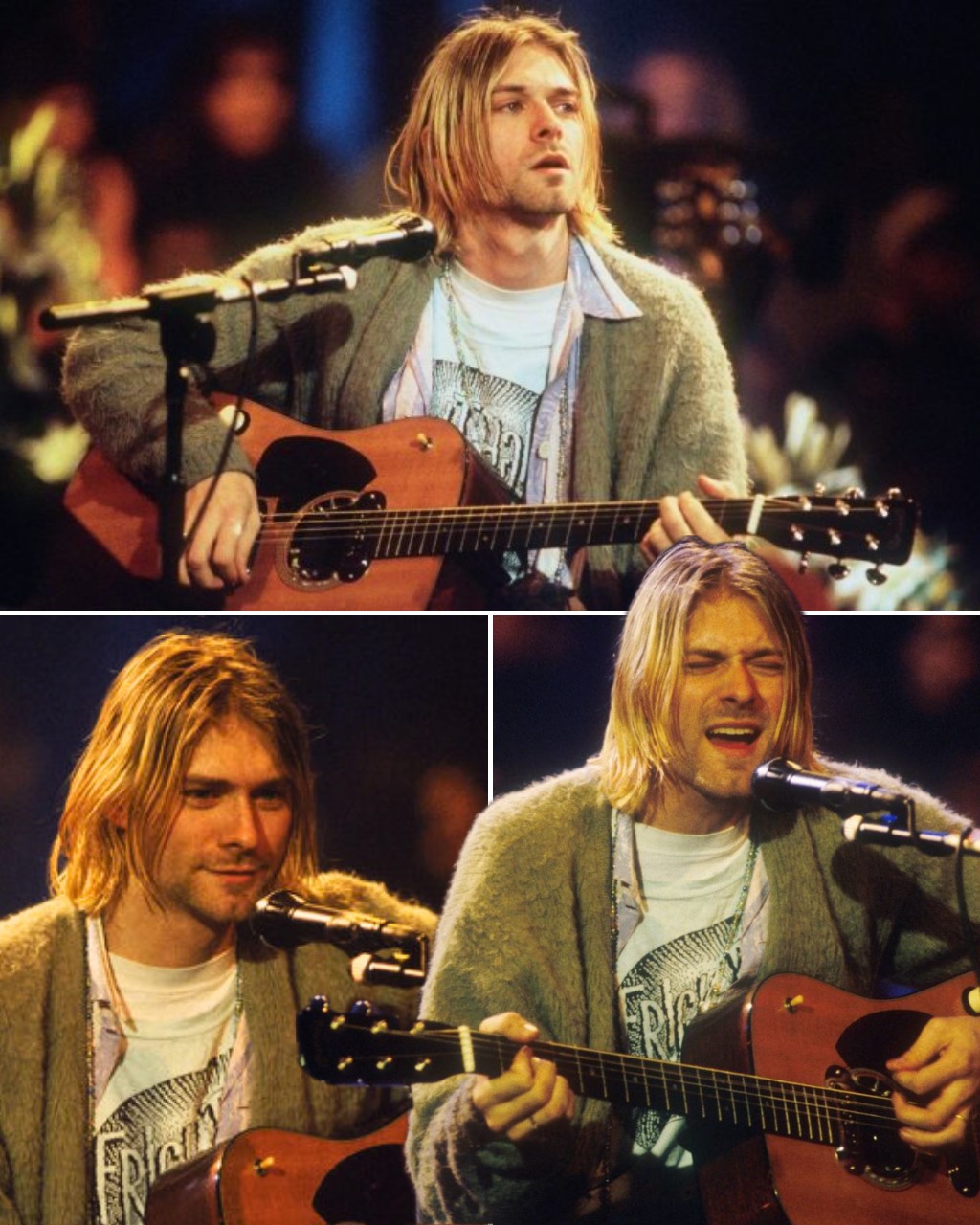
Take a rare and unforgettable journey through time with 42 extraordinary vintage photographs that capture the evolution of Bob Dylan’s iconic career—from his earliest days as a scruffy folk troubadour in Greenwich Village to his electrifying turn with a Fender Stratocaster, and onward through decades of reinvention, rebellion, and poetic brilliance—these images reveal the man behind the legend, offering unseen glimpses into private moments, groundbreaking performances, and artistic metamorphosis that changed music forever; if you’ve ever wondered what history looked like in real time, these photos speak louder than words—click the link to read the full story.
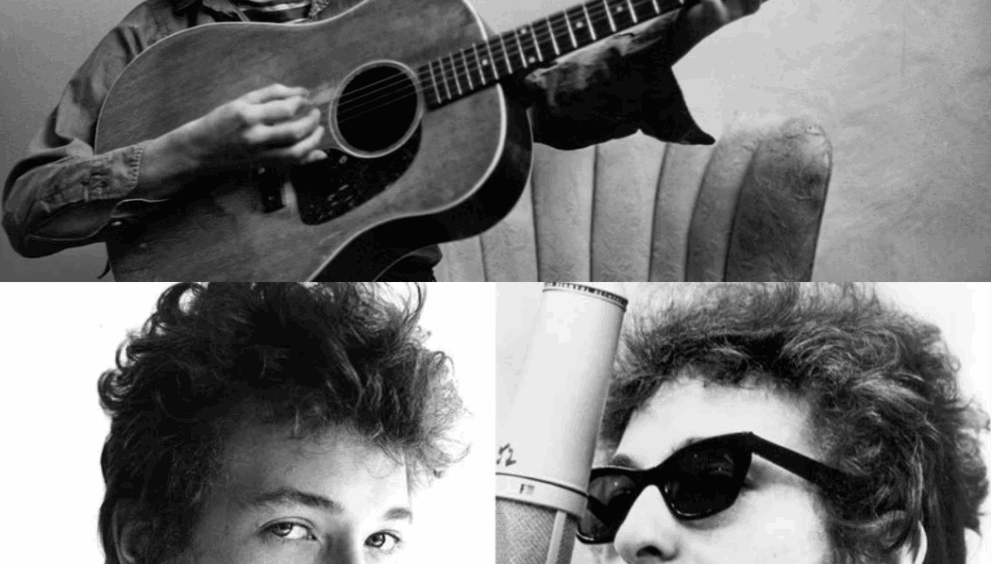
Take a rare and unforgettable journey through time with 42 extraordinary vintage photographs that capture the evolution of Bob Dylan’s iconic career—from his earliest days as a scruffy folk troubadour in Greenwich Village to his electrifying turn with a Fender Stratocaster, and onward through decades of reinvention, rebellion, and poetic brilliance—these images reveal the man behind the legend, offering unseen glimpses into private moments, groundbreaking performances, and artistic metamorphosis that changed music forever; if you’ve ever wondered what history looked like in real time, these photos speak louder than words—click the link to read the full story.
42 Vintage Photos of Bob Dylan’s Legendary Career
Bob Dylan is more than a musician—he is a cultural symbol. A poet, prophet, rebel, and enigma. His music has soundtracked revolutions, inspired generations, and redefined what songwriting could be. But beyond the lyrics and melodies, there is a visual legacy that tells its own story. Photographs—raw, intimate, sometimes spontaneous—capture Dylan’s transformation across six decades. They show not only how he changed but how he changed us.
Here, we take a journey through 42 vintage photos that document the iconic career of Bob Dylan, from the early 1960s to the dawn of the 21st century.

In the earliest images, Dylan is just a young man with a harmonica rack and a borrowed guitar, newly arrived in New York City. The photos are black and white, and the winter chill seems to seep from the film. These were taken in Greenwich Village, where Dylan played in cramped cafés and borrowed couches to sleep on. His hair is short, his face still soft. But the eyes—always the eyes—burn with something distant, something unspoken.
By 1963, Dylan’s rise had already begun. Photos from the March on Washington show him standing beside Joan Baez, singing for justice before Martin Luther King Jr. gave his “I Have a Dream” speech. He is not yet 23, but his music is already shaping the conscience of a nation. In another photo, Dylan strums his guitar at Newport, wearing a peacoat and an almost shy smile. Within a year, he would shatter that image entirely.
The 1965 Newport Folk Festival marked a turning point not only in Dylan’s career but in the culture at large. Vintage photos from that night show Dylan walking onstage with a Fender electric guitar. His band follows nervously. The crowd doesn’t know what’s coming. In the next image, faces twist in confusion or anger. The so-called “Electric Dylan Controversy” had begun. The folk hero had gone electric—and never looked back.
Late-60s photos show a very different Dylan. He is reclusive, living in Woodstock, growing a beard. Some images are from The Basement Tapes sessions with The Band, where Dylan appears older, quieter, almost domestic. A photo of him in a cowboy hat with a typewriter on his lap becomes iconic—a poet in exile, still creating, just out of sight.
The 1970s brought more drama and transformation. Concert photos from the Rolling Thunder Revue tour capture Dylan in white face makeup, surrounded by an eccentric band of performers. He is theatrical, wild, and unpredictable. These photos feel like circus posters come to life—Dylan as rock star, playwright, and outlaw. In one haunting frame, he stares into the lens under a wide-brimmed hat, eyes tired but fierce. He seems to be carrying all the weight of his myth.

A snapshot from 1975 shows Dylan at the microphone during a recording session for Blood on the Tracks. He wears a denim jacket, his expression distant. These were songs born from heartbreak and personal loss. You can almost hear them in the silence of the photo: “If you see her, say hello…”
The 1980s and early 90s brought mixed receptions, but the photos tell a more nuanced story. We see Dylan collaborating with Tom Petty, performing with the Grateful Dead, joining George Harrison at the Concert for Bangladesh. There’s even a playful shot of Dylan grinning beside a very serious Leonard Cohen. These images show the quieter victories of a man still moving forward, still surprising.
One candid image from 1997 stands out—Dylan standing alone in the rain backstage at a show in Bologna. His Nobel Prize was still decades away, but there is a gravity in the photo. He seems small and soaked, yet completely unshaken. That same year, he released Time Out of Mind, a Grammy-winning return to form. The photos from those sessions are dimly lit, filled with shadow and grain. Dylan looks older, but never defeated.
As we move into the 2000s, the photographs become less frequent, more selective. Dylan remains elusive, almost ghostlike. One rare image captures him in the studio working on Modern Times—white shirt, loose tie, headphones on. He looks like a man from the 1930s dropped into the 21st century. Even the film stock feels timeless.

And then, finally, we return to black and white. In the most recent vintage-style photos included here, Dylan appears onstage, stoic, face creased with time. The light catches the silver in his hair. He looks across a sea of fans, many too young to remember his first albums, yet singing every word.
These 42 photographs tell more than the story of one musician. They tell the story of American culture, of artistic endurance, of what it means to evolve without apology. Dylan never stayed in one place—musically, spiritually, or visually. Each photo is a chapter in a larger narrative: that of an artist who never gave in, never settled, never stopped moving.
We see him become a myth and then undo it. We watch him age but never fade. We feel the silence between the shutter clicks.
In these frames, Dylan becomes more than legend—he becomes real.