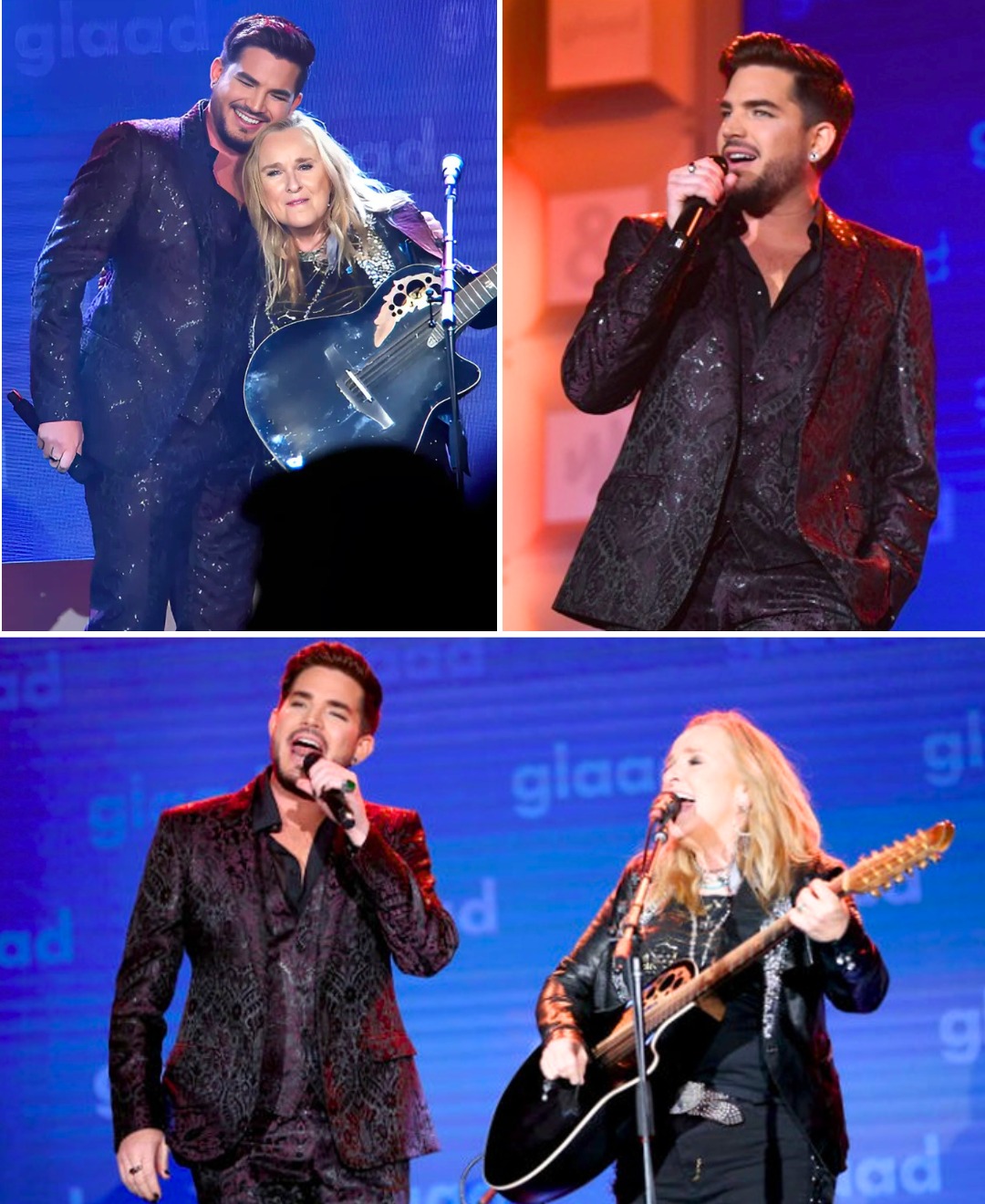
Adam Lambert isn’t just hitting high notes with Queen anymore—he’s now taking Broadway by storm as the Emcee in Cabaret, transforming late-night TV into a slice of Berlin nightlife.
In September 2024, Lambert made his Broadway debut in the Kander & Ebb classic, stepping into the role with all the glitter and grit it demands. When he appeared on The Tonight Show Starring Jimmy Fallon on February 10, the stage morphed into the smoky Kit Kat Club as Lambert delivered a soul-stirring rendition of “I Don’t Care Much,” his voice drenched in emotion and framed by haunting green lights.
Lambert had already released the song as a single in December, complete with a music video filmed inside the very Kit Kat Club where Cabaret plays. In an interview with The New York Times, he called the number “a real emotional moment of struggle with indifference” for his character, sharing that the creative team adjusted the key so it could transform into a powerful torch song in his hands.
The American Idol alum told TODAY’s Al Roker that playing the Emcee had long been a dream: “He’s weird, wild, and wonderful,” Lambert said, describing the character as a shadowy narrator who pulls the audience into the dark underbelly of pre-war Berlin. “People think they know Cabaret, but the story often surprises them.”
Taking over the role from Tony-nominated Eddie Redmayne, Lambert shares the stage with Moana star Auli’i Cravalho as Sally Bowles. Their final bow in Cabaret will be on Saturday, March 29, 2025.
After Lambert’s run ends, Cabaret will see a fresh duo: masked country star Orville Peck will step in as the Emcee, while Hadestown’s Eva Noblezada will take on Sally Bowles for a limited 16-week engagement starting March 31.
From selling out arenas with Queen to embodying the decadent, defiant spirit of the Kit Kat Club, Adam Lambert is proving that whether it’s a rock anthem or a Broadway torch song, he knows how to command a stage—and leave audiences wanting more.