Diddy’s Alleged Kill List: 8 Victims, Endless Trauma, Broken Lives
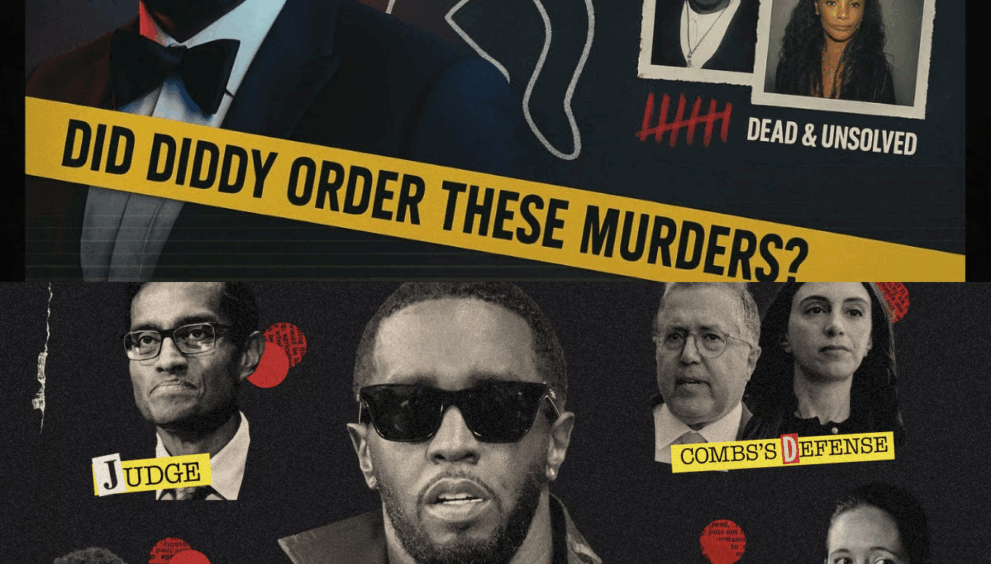
Sean “Diddy” Combs—regarded for decades as the energetic mogul behind Bad Boy Records, a Grammy-winning artist, and a fashion and business icon—has lately been swept up in a tsunami of dark allegations, lawsuits, and federal investigations that threaten to overhaul his once-glittering legacy. Among the most sensational and disturbing accusations is the internet-circulated claim of “Diddy’s alleged kill list,” a purported roster of eight individuals whose lives ended early, supposedly tied to his shadowy dealings. While much remains unproven and sources swirl with rumor, the allegations cut deep into hip hop’s bloody lore, raise serious questions about accountability, and leave countless shattered lives in their wake.

Echoes of Violence in Hip Hop
The symbiotic relationship between violence, suspicion, and hip hop is nothing new. Shocking deaths changed the culture’s course: Tupac Shakur and The Notorious B.I.G., both gunned down in their mid-20s, are mythologized as martyrs of a brutal industry. Diddy, as Biggie’s mentor and label boss, was present at the eye of the late ’90s hurricane—a fuel point for conspiracy and scrutiny ever since.
But recent accusations stain his name anew, with civil lawsuits painting him as a manipulator, abuser, and a man willing to go to extremes to protect his empire. As clips from old interviews and depositions are spliced into TikToks and Twitter threads, a narrative forms: Who really died for Diddy to rise? Are the murders and mysterious deaths simply the cost of business, or something more calculated and nefarious?
Who Are the Alleged 8 Victims?
While no official “kill list” exists—this term circulates more as internet folklore and legal innuendo than legal record—several names spiral through online forums, podcasts, and documentaries. They are a mix of famous and lesser-known, mostly connected to the high-stakes world of 1990s hip hop or Diddy’s inner circle:
- The Notorious B.I.G. (Christopher Wallace): His murder, just six months after Tupac’s, took place after a Diddy-hosted party. Biggie’s Mom, Voletta Wallace, has expressed suspicions for decades about what was really happening behind the scenes.
- Wolf (Anthony Jones): Diddy’s former security chief, slain in Atlanta in 2003. Rumors swirled about involvement in protection rackets and criminal feuds.
- Black Rob: The “Whoa!” rapper died in 2021 after years of poverty and illness, with critics questioning how Bad Boy artists often ended up broke, sick, or dead.
- Craig Mack: Another Bad Boy breakout, dead at 46 after joining a shadowy religious group. Some former associates claim Mack was “shunned” and left without recourse.
- Andre “AJ” Johnson: Bodyguard, killed during a notorious shooting incident.
- Father of one of Diddy’s children: Some speculate about Kim Porter’s mysterious 2018 death (officially attributed to pneumonia), with family hinting at foul play.
- Shakir Stewart: Former Def Jam exec reportedly close to Diddy, found dead in an apparent suicide, but conspiracy rumors remain.
- Alleged unnamed industry insiders: Several deaths and disappearances never made mainstream news, quietly swept under the industry rug.
None of these cases have tied Diddy to criminal wrongdoing. Still, the consistent proximity to tragedy—and the ongoing whisper campaigns—are difficult to ignore.
Endless Trauma, Betrayal, and Broken Lives
Whatever the truth, the cost of these deaths is profoundly human. Tupac and Biggie’s mothers still grieve. Black Rob’s friends recall scenes of him homeless in the Bronx, pleading for medical help—even as former colleagues drove luxury cars. Kim Porter’s death left her children reeling, with questions about how someone so vibrant could deteriorate so quickly.
Most painfully, surviving Bad Boy artists and employees have described a culture of abandonment. “He didn’t protect us,” former artists told The Source in 2023. “When the cameras stopped rolling, we had nothing.”
Behind the glitz of Diddy’s infamous “White Parties” and years of chart-toppers, it’s easy to miss the broken families, the communities left with questions and no closure. The new lawsuits allege not just abuse, but a system built on control, intimidation, and, allegedly, silence—at any cost.

Why Now? The Reckoning of an Era
If the notorious “kill list” is as much rumor as reality, why does it resonate so powerfully? The #MeToo wave has crash-landed on hip hop’s shores. Artists and moguls are being asked, finally, to reckon with the collateral damage they left behind—sexual assault, financial ruin, threats, and yes, mysterious deaths.
Diddy’s lavish lifestyle and philanthropic donations now appear as possible smoke screens. His ex-girlfriend, singer Cassie, brought a sexual assault lawsuit that he quickly settled—a sign, for critics, of guilt or at least a desire to avoid exposure.
As federal agents raided Diddy’s homes in 2024, the world saw the empire tremble. Key witnesses, former gig workers, and security guards broke decades of silence, testifying to cycles of fear and retribution. “It wasn’t just about music,” one said. “It was about what you’d do to protect your seat at the table.”
The Ripple Effect on Hip Hop
Whether or not the allegations are true, the effect is plain. Up-and-coming artists question the loyalty of mentors. Listeners demand more transparency from labels. Families of the deceased demand real answers. Diddy’s story is no longer just that of the market-hustle genius, but a Rorschach test for the entire music industry—a meditation on how institutions collude to breed tragedy, then move on.
Moving Forward: Demanding Truth and Accountability
For Diddy, as the claims and investigations mount, the world that built him is coming undone. Hip hop, once defined by braggadocio and bravado, may now stand at a crossroads of truth-seeking and healing. Social media has democratized voice, allowing every victim’s family to call out for justice in real time.
The darkest rumors—of a “Diddy kill list”—may remain unproven, but the wounds are real. The trauma, betrayal, and shattered lives remind us that the cost of empire-building, in the music industry or anywhere else, is so often hidden but never truly forgotten. It’s time for answers, for justice, and for the music world to finally wrestle with the pain behind the platinum