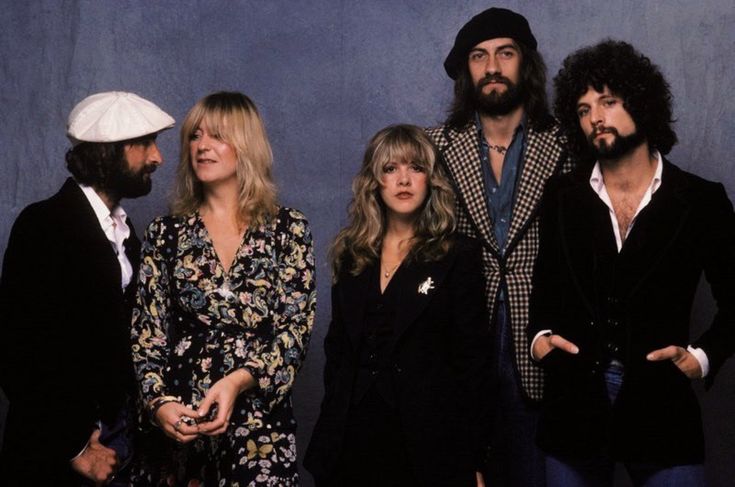
Rediscover the Timeless Energy of Fleetwood Mac’s “Blue Letter” (1975)
When we trace the golden threads of classic rock, few bands loom as large or as influential as Fleetwood Mac. From their British blues roots to their Californian soft rock evolution, the band has long served as a mirror to the changing sounds and sentiments of the times. Among the many gems tucked into their expansive discography is the often-overlooked yet dynamically engaging track, “Blue Letter”, which made its debut on the band’s self-titled 1975 album. This song, vibrant in tempo and captivating in tone, stands as a moment of brilliant synergy—a crisp snapshot of the band’s mid-’70s transformation and their powerful new lineup that would soon reach mythical status.
Fleetwood Mac (1975) marked a significant rebirth for the group. It was the first album to feature the iconic duo of Stevie Nicks and Lindsey Buckingham, whose presence shifted the band’s sound closer to the realm of polished pop-rock, infused with California sunshine and introspective lyrics. “Blue Letter” is unique on this record, not just for its brisk energy and sharp guitars, but for its origin—it’s the only song on the album that wasn’t written by any member of Fleetwood Mac. Instead, it was penned by Richard and Michael Curtis, close collaborators and friends of Buckingham and Nicks from their pre-Fleetwood days.
Right from the opening chords, “Blue Letter” delivers a sonic jolt. It is a track that sways between vintage rock spirit and refined musical craftsmanship. Buckingham’s spirited vocals drive the song forward with a mix of urgency and clarity, while the band’s tight rhythm section—anchored by John McVie’s steady bass lines and Mick Fleetwood’s unfaltering drumming—provides a solid backbone. Nicks, though absent from the lead, contributes a subtle harmony that adds depth to the arrangement.
This song, clocking in at just under three minutes, may seem deceptively simple at first glance. But within those minutes lies a well-constructed balance of melody, lyrical intrigue, and instrumental sharpness. The lyrics speak to disconnection, emotional yearning, and searching for meaning in the wake of a relationship’s breakdown—elements that echoed the emotional layering that would characterize later albums like Rumours. Yet unlike some of those more pensive tracks, “Blue Letter” carries its emotional weight with an almost buoyant resilience.
What also makes this track particularly meaningful is its role in the broader narrative of Fleetwood Mac’s history. It’s a bridge from the past into a new era for the band—a relic from Buckingham Nicks’ earlier world that found new footing in a vastly different setting. That sense of continuity, of musical ideas reimagined in a fresh light, gives “Blue Letter” its lasting charm. It’s not the showstopper of the album, nor its commercial centerpiece, but it pulses with its own quiet confidence.
For anyone rediscovering Fleetwood Mac’s catalog, or exploring it anew, “Blue Letter” offers a rewarding listen. It stands as a reminder of how even the less-heralded tracks can embody the vitality, talent, and evolution of a band reaching new heights. In a world where so much attention falls on the hits, songs like this are the reason deeper listening still matters.