“You have no right to rewrite WHO I AM, Karoline. My songs have spoken the truth long before you ever appeared!”
With those powerful words, Bruce Springsteen — “The Boss” himself — broke his silence, responding directly to political figure Karoline Leavitt’s accusations that he had been “silenced.” What followed was not merely a celebrity soundbite but the ignition of a cultural debate now echoing far beyond the music world. It is a clash between politics and art, power and truth, words and melody.
The Spark: Leavitt’s Accusations
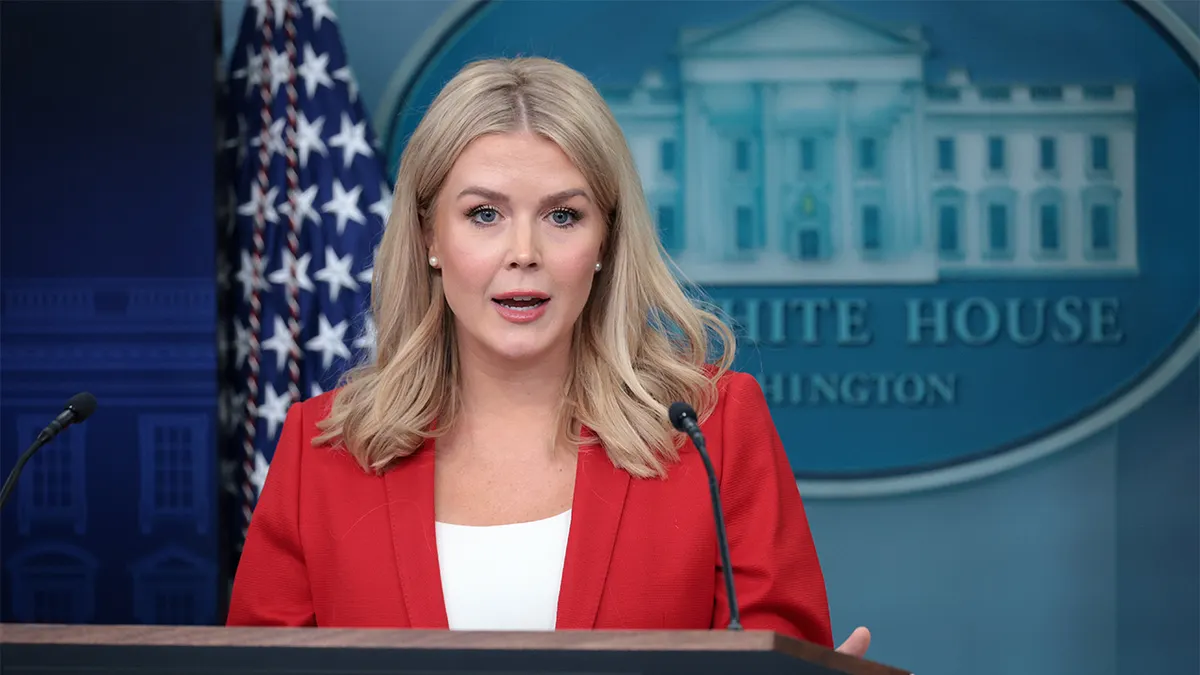
Karoline Leavitt, a young but increasingly vocal political figure, has built her brand on criticizing what she views as a culture of suppression and conformity. In her latest remarks, she claimed that even icons like Bruce Springsteen — an artist who has spent decades weaving stories of working-class America, rebellion, and hope — had fallen victim to being “silenced.”
Leavitt suggested that Springsteen’s absence from certain political debates was proof of pressure behind the scenes. In her narrative, he symbolized the silencing of cultural figures who might once have spoken more freely.
But in choosing Springsteen, she picked an unlikely target. For nearly five decades, “The Boss” has been anything but silent. From Born in the U.S.A. to The Rising, his songs have consistently engaged with the struggles, hopes, and frustrations of ordinary Americans. To imply that such an artist was somehow muted struck many as both inaccurate and disrespectful.
Springsteen’s Response: Truth Through Music
Bruce Springsteen is not known for responding hastily to political figures. Yet this time, he did not hold back. His words cut sharply:
“You have no right to rewrite WHO I AM, Karoline. My songs have spoken the truth long before you ever appeared.”
It was more than a defense — it was a declaration. Springsteen reminded both fans and critics that his life’s work has been built on expressing truths through music. His songs have often outlasted the politicians of their era, offering insights into the American experience that resonate across generations.
By emphasizing that his music already “spoke the truth,” Springsteen positioned himself outside the usual political theater. His art, he implied, is not a tool to be co-opted into a partisan struggle but a body of work that belongs to the people who have lived and felt those stories.
Politics vs. Music: Two Different Languages
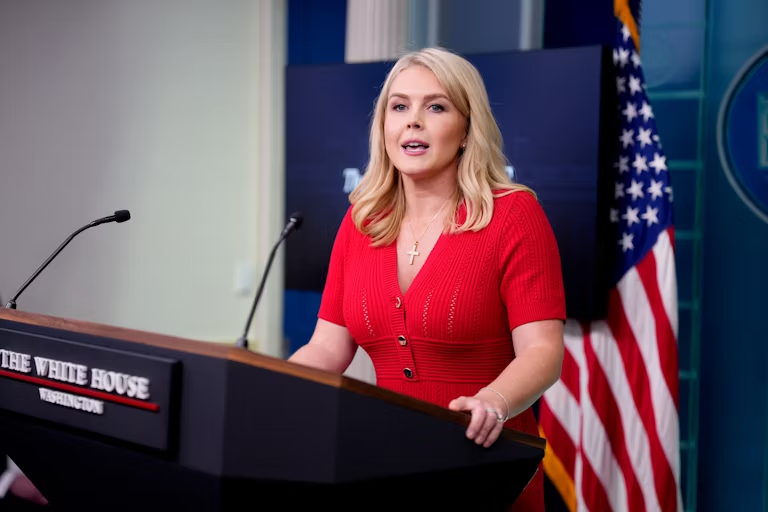
This confrontation highlights an enduring tension: politics thrives on immediate narratives, while music communicates in timeless ways. Politicians fight for headlines and votes. Musicians like Springsteen speak to something deeper — identity, community, resilience.
To accuse Springsteen of being “silenced” is to misunderstand the very language of art. His silence in one debate does not erase decades of lyrical protest and commentary. In fact, his choice to respond now shows that musicians reserve the right to speak on their own terms, not when summoned by politics.
An Uneven Confrontation
Observers have called the clash an “uneven confrontation,” and for good reason. Karoline Leavitt represents a younger, politically ambitious generation that thrives on social media soundbites. Bruce Springsteen, on the other hand, carries the cultural weight of a lifetime of artistry, with fans who span continents and decades.
This imbalance means the debate is less about who “wins” and more about what it represents. Can politics claim ownership over cultural voices? Or do songs and stories stand as truths in their own right, untouched by political agendas?
Public Reactions
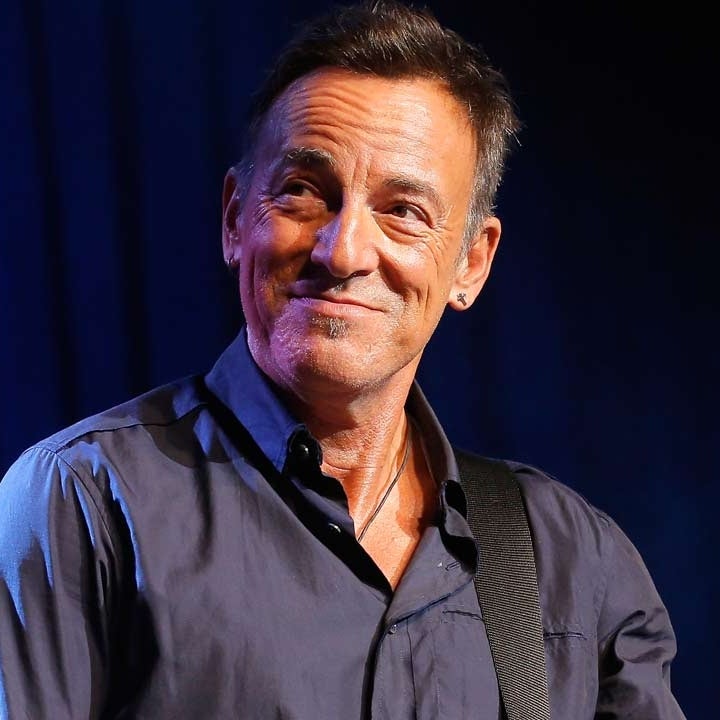
The public response has been fiery.
Springsteen’s supporters flooded social media with lyrics from his songs — “No retreat, baby, no surrender” and “Is a dream a lie if it don’t come true, or is it something worse?” — framing them as proof that his voice has never been silenced. Fans praised him for standing tall, calling his rebuttal both “vintage Springsteen” and “a masterclass in dignity.”
Leavitt’s followers, however, applauded her for challenging cultural elites, claiming that Springsteen’s refusal to engage politically in recent years validated her point. To them, his silence was evidence of pressure, and his angry response only confirmed that she had touched a nerve.
The clash has divided opinion, not just between left and right but between those who see music as timeless truth and those who demand that every voice take a stance in today’s political battles.
The Larger Implications
This is about more than Springsteen or Leavitt. It raises broader questions about the role of artists in society. Do musicians owe it to the public to comment on every political controversy? Or is their true responsibility to remain faithful to their art, letting their songs carry meaning across generations?
For Springsteen, the answer seems clear. His songs are his testimony. They are not campaign speeches, nor are they tools for politicians to wield. They are expressions of human struggle and hope, truths that transcend the noise of daily politics.
Conclusion: Principles vs. Power
The Springsteen-Leavitt episode will not be the last clash between politics and music. But it reminds us of something essential: songs endure long after political slogans fade.
When Bruce Springsteen declared that his songs had spoken truth before Karoline Leavitt was even on the scene, he was not simply defending himself. He was defending the principle that art carries its own authority — one that does not require validation from politicians.
This uneven, intellectual confrontation has forced us to reflect on whose voice we trust most: the transient voices of politics, or the timeless truths carried by music.
And in this battle, it seems clear that “The Boss” still speaks loudest.