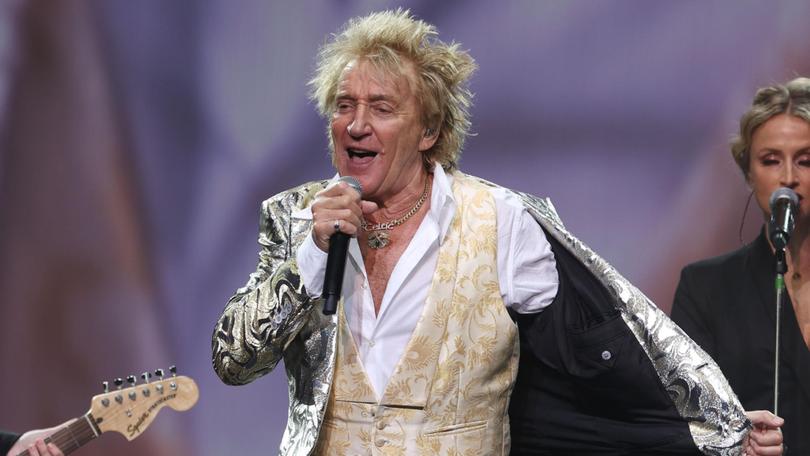
When Rod Stewart released “The Killing of Georgie (Part I and II)” in 1976, he didn’t just drop another pop-rock ballad—he lit a candle in the darkness for LGBTQ+ representation during a time when silence was the norm. In a cultural era that largely dismissed or ignored queer voices, Stewart’s heartfelt tribute to a gay friend was nothing short of revolutionary.

Featured on his album A Night on the Town and released on June 18, the song tells the poignant story of Georgie, a young gay man disowned by his family, who finds solace in New York City before his life is tragically cut short. It was a deeply personal narrative told with unflinching honesty and rare sensitivity—especially for mainstream music in the mid-70s. Lines like “Georgie boy was gay, I guess. Nothin’ more or nothin’ less,” offered one of the first empathetic portrayals of a gay man in popular music, resisting stereotypes and embracing humanity.
At a time when LGBTQ+ issues were taboo on radio and television, Stewart stood tall. The BBC balked at playing the song due to its subject matter, but Stewart refused to back down, calling it one of his proudest achievements. His record label feared backlash from straight audiences, but Stewart held firm, prioritizing truth and tribute over commercial comfort.
Structurally, the song is as ambitious as its subject. Told in lyrical tercets, its poetic rhythm and emotional cadence give the narrative both elegance and urgency. One especially haunting line, “Youth’s a mask but it don’t last, / Live it long and live it fast,” captures the fragile, fleeting nature of Georgie’s life—and of youth itself—with aching beauty.
Despite its challenging content, “The Killing of Georgie” found chart success, reaching No. 2 in the UK and cracking the top 30 in the U.S., with additional chart presence in Canada, Australia, and the Netherlands. Critics were divided—some praised its boldness, while others were unsettled by its directness. But Stewart’s storytelling, and his willingness to be influenced—he openly admitted borrowing the melody from The Beatles’ “Don’t Let Me Down”—only added to the track’s artistic depth.
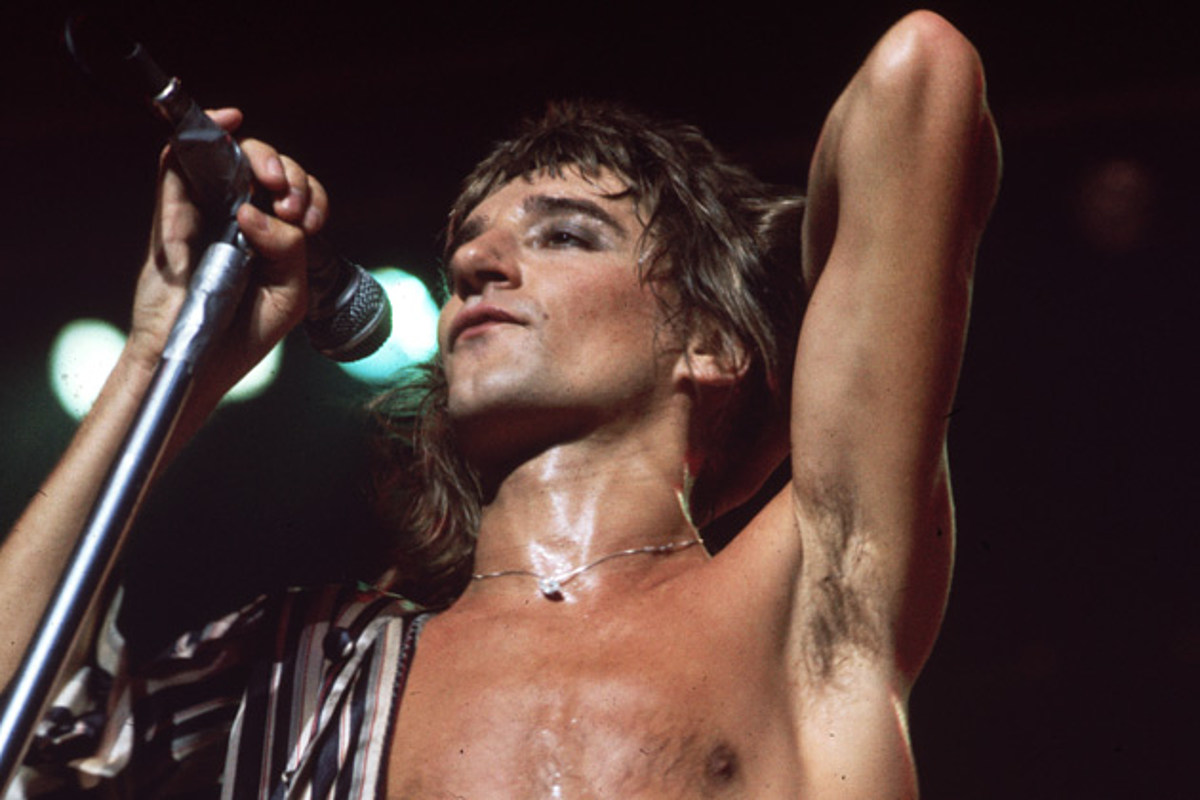
Far beyond its chart performance, though, the song’s true legacy lies in its impact on listeners—especially those within the LGBTQ+ community. In an era when few artists dared to acknowledge queer lives, Stewart offered visibility, compassion, and a sense of belonging. Georgie wasn’t a caricature or a footnote—he was a friend, “the kindest guy I ever knew.” In saying this, Stewart directly challenged prevailing prejudices, offering a counter-narrative of love and respect.
As history marched on, Georgie’s story would sadly echo in real-world events—the brutal murders of Matthew Shepard in 1998 and Aaron Webster in 2001, for example, painfully mirrored the song’s tragic ending. And in the wake of the 2016 Pulse nightclub massacre in Orlando, Stewart’s gentle words—“Georgie was a friend of mine”—resonated again, offering a balm for collective grief.

Today, nearly 50 years later, “The Killing of Georgie” still stands as a powerful testament to what music can do: bear witness, foster empathy, and inspire change. In May 2025, its legacy continues to grow, its message as relevant as ever in the ongoing journey toward equality and acceptance.
Rod Stewart’s decision to tell Georgie’s story was more than a personal act of remembrance—it was a cultural statement, a quiet but firm rebellion against the silence surrounding LGBTQ+ lives. In doing so, he didn’t just create one of the most moving songs in his catalog; he helped open the door for others to follow, proving that empathy, when paired with courage, can be revolutionary.
“The Killing of Georgie” isn’t just a song. It’s a milestone. It’s a eulogy. It’s a mirror—and for many, it was the first time they truly saw themselves in music.