A massive cultural and political battle is unfolding across the United States. It all started when Bruce Springsteen dropped his latest protest track, “Streets of Minneapolis.” The song takes direct aim at US immigration policies and the actions of ICE agents. Springsteen did not hold back in his lyrics, going so far as to call federal forces “King Trump’s private army.” He framed recent events in Minneapolis as clear examples of systemic injustice. Naturally, this bold move caught the attention of the Trump White House, sparking a nationwide debate over artistic expression and government policy.
The administration was quick to fire back with a blunt dismissal. White House officials publicly waved off the song as totally random and full of irrelevant opinions. Instead of engaging with the actual message of the track, they doubled down on their own stance. They stated their main focus is working with local authorities to remove dangerous criminals from the streets, effectively painting Springsteen’s new music as a massive distraction from their core goals. This reaction perfectly highlights the ongoing tension between the current administration and high profile artists who use their platforms to challenge government actions.
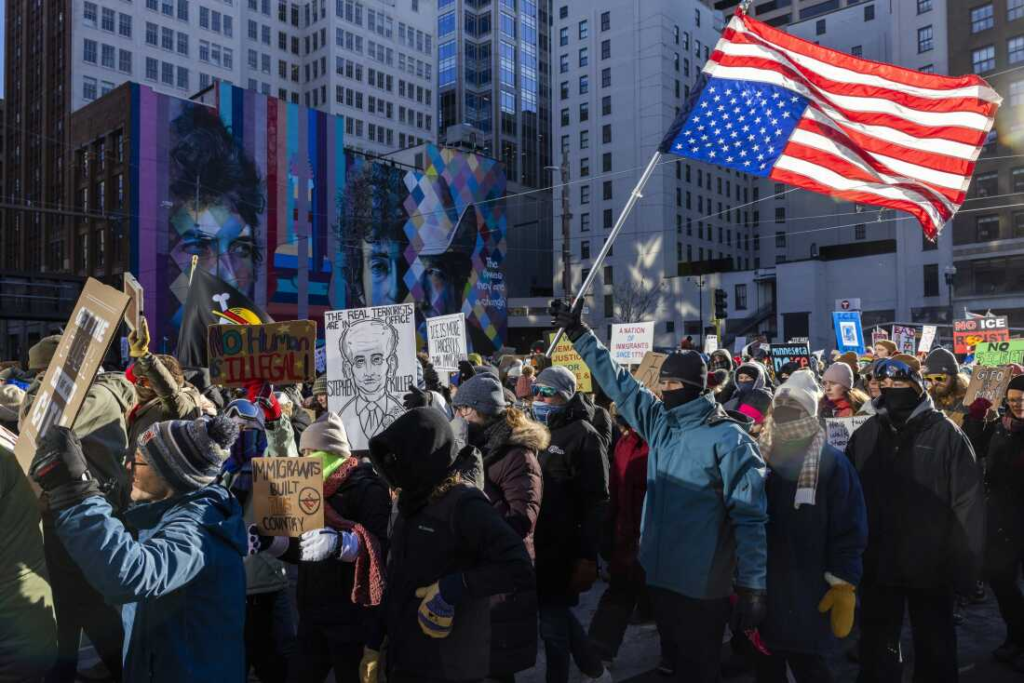
To truly understand the song, you have to look at what inspired it. “Streets of Minneapolis” was born out of highly charged events in the city, where fatal encounters involving federal agents led to widespread protests. These tragic incidents quickly became major flashpoints in the ongoing national conversation about civil liberties and immigration enforcement. Springsteen wrote and recorded the track incredibly fast. He dedicated the music to the victims and innocent immigrant neighbors, turning the release into both a heartfelt tribute and a fierce political statement. His lyrics paint a vivid picture of grief and unrest, blending his signature storytelling with heavy political critique.
The backlash from both sides exploded across social media almost instantly, turning the dispute into a massive cultural event. Fans and supporters have praised the song as a powerful piece of artistic resistance. They argue that musicians have a real responsibility to speak out against injustice, especially during times of national crisis. They often point to the deep roots of American protest music, noting that songs like this are a vital part of healthy democratic discourse. On the other side, critics aligned with the administration accuse the rock legend of politicizing a tragedy and misrepresenting the facts to push an inflammatory narrative.
Adding fuel to the fire is the long history of friction between Donald Trump and Bruce Springsteen. The two have never exactly seen eye to eye, and their personal and political differences have played out in public for years. Trump has harshly criticized the musician in the past, while Springsteen frequently uses his live concerts and public interviews to denounce the president’s leadership. Because of this history, people are viewing this latest clash as much more than a reaction to a single song. It feels like the continuation of a long feud that perfectly mirrors the deeper divisions in American society today.
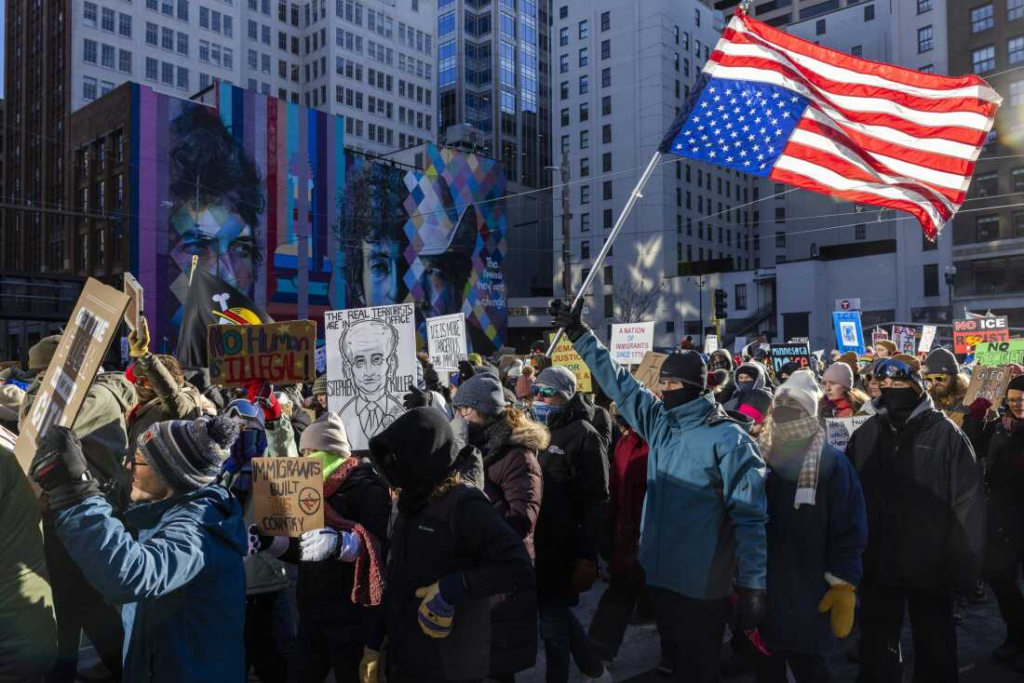
The absolute peak of this viral controversy came down to a simple, emotionally charged response from Springsteen. Following the harsh words from the White House, the musician fired back with a concise 13-word statement that immediately caught fire online. While slight variations of his exact phrasing bounced around social media, the actual words mattered less than the symbolism behind them. Here was a massive cultural icon flat out refusing to retreat when challenged by the government. He doubled down on his message and reaffirmed his stance, creating a high stakes confrontation where art and politics collided in real time.
This entire media storm highlights how the lines between politics and pop culture are practically nonexistent in the digital age. A single song triggered an immediate, widespread reaction across countless platforms. The lightning speed at which this controversy escalated shows exactly how social media amplifies conflict and shapes public narratives before all the facts can even emerge. For policymakers, it presents a unique modern challenge. They have to respond to public discourse in real time while trying to maintain clear messaging and credibility.
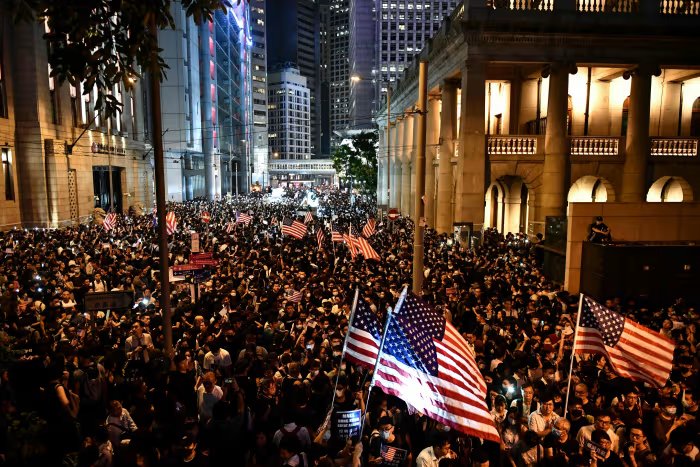
As the situation continues to unfold, “Streets of Minneapolis” will likely remain a key talking point in discussions about free speech and the role of musicians in politics. For some people, this whole episode highlights a worrying trend of extreme polarization and the death of constructive dialogue. For others, it proves the enduring power of music to challenge the system and inspire real change. One thing is absolutely certain. This clash between Bruce Springsteen and the White House has moved far beyond the realm of music to become a defining symbol of our current political climate.