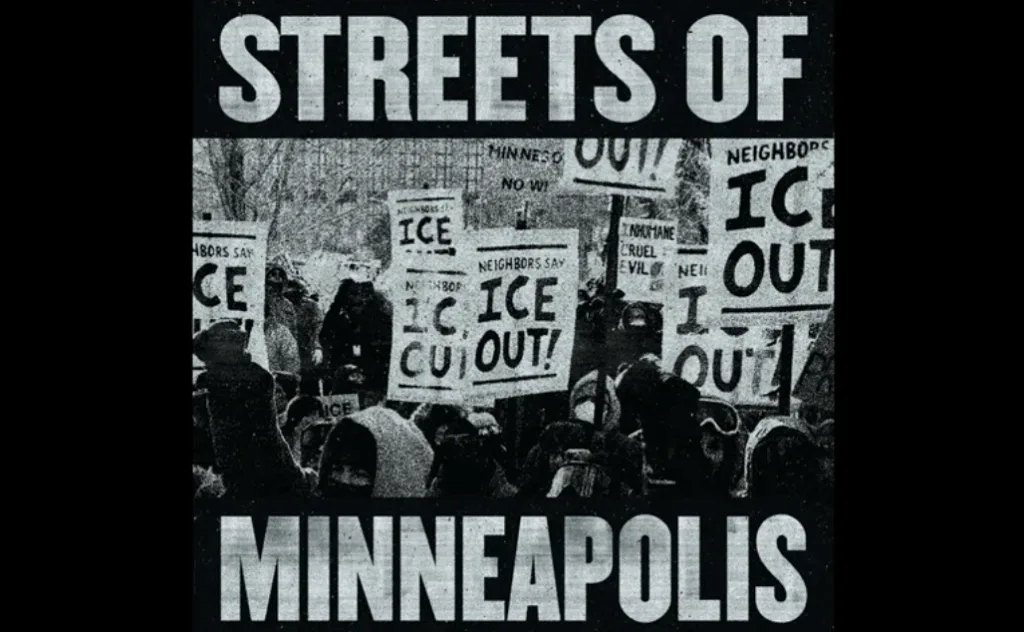
On Wednesday, January 28, Bruce Springsteen released one of the most politically charged tracks of his entire career. The song, titled “Streets of Minneapolis,” arrived completely unannounced. It is a smoldering, urgent piece of protest music. The Rock and Roll Hall of Famer shared that the timeline for the track was incredibly tight. He wrote the song on Saturday, recorded it in the studio by Tuesday, and released it to the world as a direct response to what he described as the state terror descending upon the city.
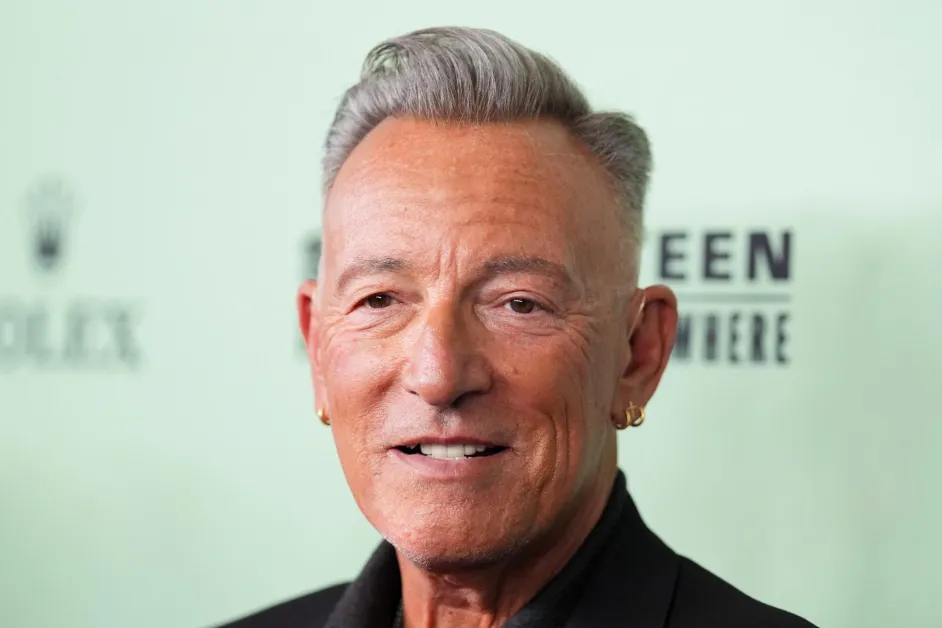
Channeling the spirit of folk legends like Woody Guthrie, Springsteen uses plain and powerful storytelling to paint a vivid picture of the battles happening on the streets. The lyrics detail how everyday citizens are standing up to the aggressive and often violent immigration raids conducted by the Trump administration. He specifically points to the tragic actions of border and ICE agents this month, which resulted in the deaths of two American citizens: Renée Good, a 37-year-old mother of three, and Alex Pretti, a 37-year-old intensive care nurse. Springsteen dedicated the track to the people of Minneapolis, to our innocent immigrant neighbors, and directly to the memories of Good and Pretti.
Musically, the song kicks off with a stripped-down tension that will immediately remind longtime fans of his Nebraska era. It features just the Boss and some spare instrumentation as he sings with quiet fury about winter ice and Nicollet Avenue. He describes a city aflame fighting fire and ice under an occupier’s boots, explicitly calling out King Trump’s private army from the DHS who arrived with guns belted to their coats.
By the second verse, the track explodes into a full band roar. It serves as a spiritual callback to his Oscar-winning 1994 classic “Streets of Philadelphia,” but this time, the melancholy is replaced by righteous anger. Over chiming guitars and a driving drum beat, he praises the bravery of Minneapolis residents pushing back against the thousands of masked border patrol enlistees enforcing the administration’s immigration agenda. He sings about citizens standing for justice against smoke and rubber bullets, leaving bloody footprints where mercy should have stood, and naming the two people left dead on the snow-filled streets.
Springsteen is not singing into a void. He is adding his legendary voice to a growing chorus of Americans, fellow musicians, and even some Republican legislators who are decrying these aggressive tactics. Artists like Billie Eilish, Finneas, Dave Matthews, Moby, Olivia Rodrigo, and the Chicks have all spoken out recently. The public outrage escalated sharply after the January 7 killing of Good. She was shot by ICE agent Jonathan Ross. While the administration claimed she weaponized her car, video footage seems to show her steering away from the agent to leave the scene of the enforcement action.
A similar narrative battle unfolded after the death of Pretti on Friday, January 24. Trump and several administration officials quickly branded the ICU nurse a domestic terrorist and an assassin. Yet, multiple video angles show a completely different story. The footage appears to show Pretti trying to help a woman who was violently thrown to the ground by agents during a protest. Pretti was a licensed gun owner, and the videos indicate his holstered weapon was taken from him just seconds into the clash. He was then shot ten times while pinned face-down in the snow by several masked officers.
Springsteen tackles this political spin head-on in his lyrics. He sings about federal thugs beating Pretti in the face and chest before the fatal gunshots rang out. He urges listeners not to believe the official claims of self-defense, singing that it is our blood and bones against the dirty lies of Miller and Noem. This is a direct reference to White House deputy Chief of Staff Stephen Miller, who called Pretti an assassin, and Homeland Security Secretary Kristi Noem, who released inflammatory statements claiming Pretti intended to massacre agents.
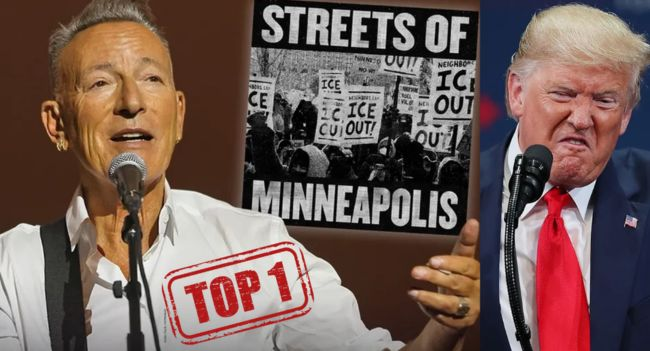
For fans of his catalog, this track sits right alongside some of the Boss’s most intense protest music. It echoes the passion of “American Skin (41 Shots)” from 2001, which addressed the NYPD killing of Amadou Diallo. It shares DNA with the misunderstood fury of “Born in the U.S.A.” and the Steinbeck-inspired empathy of “The Ghost of Tom Joad.” Springsteen has always had a tradition of responding powerfully to the cultural moment. He also has a history of pushing back against Trump. During the first Trump term, he released “That’s What Makes Us Great,” a gritty defense of immigrants chasing the American dream.
“Streets of Minneapolis” closes with a heavy lament. Springsteen mourns the trampling of civil rights by officers eager to question or deport anyone with Black or brown skin, echoing the shouts to get ICE out that have rung across the country in recent months. In the song’s final, urgent refrain, he vows to take a stand for this land and the stranger in our midst, promising to remember the names of those who died on the streets of Minneapolis in the winter of 2026. It is a haunting, powerful reminder of what music can do when the world is watching.