Sharon Osbourne has never been one to stay quiet when someone she loves is being knocked around. At the Elton John AIDS Foundation’s Academy Awards Viewing Party on March 15, the 73‑year‑old TV personality made that clear in her characteristically blunt, rock‑n‑roll way. When Extra asked her how proud she was of her daughter Kelly Osbourne for standing up to the online bullies weighing in on her appearance, Sharon didn’t mince words. “Listen, people that give it out have to get it back,” she said, then nodded and walked away—no apology, no hesitation, just a firm line drawn in the sand.
In the background of that moment stood the deeper story: Kelly, 41, grieving the sudden loss of her father, Ozzy Osbourne, who died on July 22. In the months that followed, the world watched her move through mourning while still very much in the public eye. At home and behind closed doors, she was trying to live through one of the hardest chapters any of us can imagine. Publicly, meanwhile, strangers were scrolling past her photos and lobbing insults instead of sending support.
On social media, Kelly had already opened up about the toll all of it had taken on her body and mind. In a since‑deleted Instagram clip, she hit back at the comments accusing her of looking “ill,” or sneering that she should “get off Ozempic,” as if grief and loss could be scrolled past like a bad filter. “To the people who keep thinking they’re being funny and mean by writing comments like ‘Are you ill,’ or ‘Get off Ozempic, you don’t look right,’” she said, her voice unsteady but firm. “My dad just died, and I’m doing the best that I can, and the only thing I have to live for right now is my family.”
The criticism didn’t stop at jokes. Kelly, still raw from Ozzy’s death, found herself being compared to a “dead body,” with one commenter dubbing her “too thin and fragile.” She screenshots and shared the remark on February 23, adding, “Literally can’t believe how disgusting some human beings truly are! No one deserves this sort of abuse!” That outburst, while painful, was less about vanity and more about the shock of seeing grief twisted into cruelty by people who had no stake in her life but a screen.
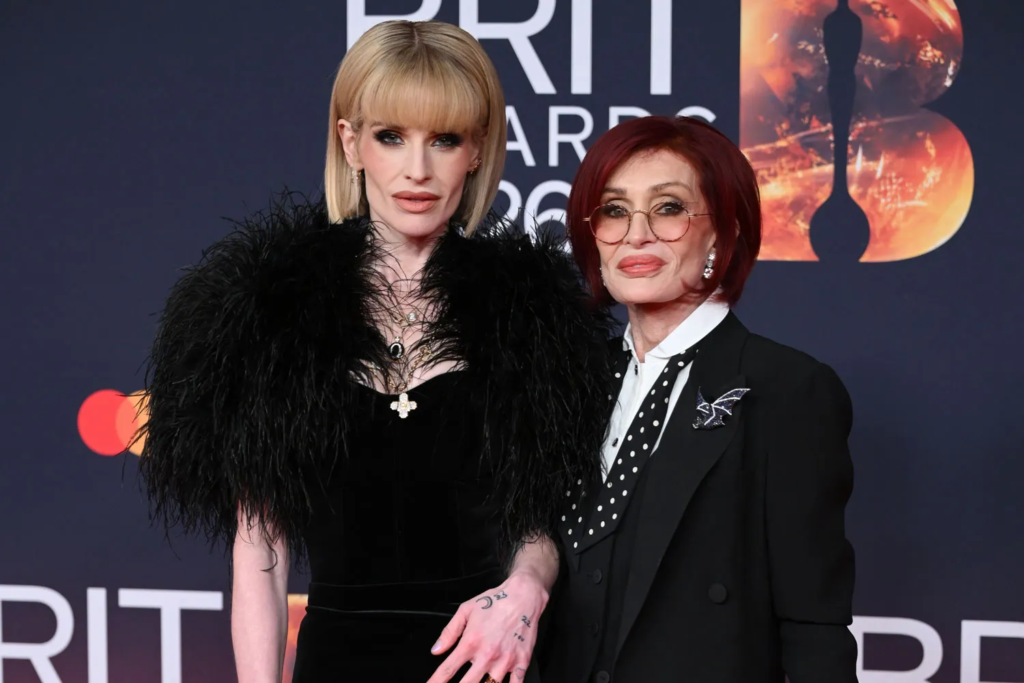
The backlash kept coming. Shortly after the BRIT Awards, where Kelly and Sharon accepted the Lifetime Achievement award on behalf of Ozzy, Kelly posted another message to her Instagram Stories addressing the constant scrutiny. “There is a special kind of cruelty in harming someone who is clearly going through something,” she wrote. “Kicking me while I’m down, doubting my pain, spreading my struggles as gossip, and turning your back when I need support and love most.”
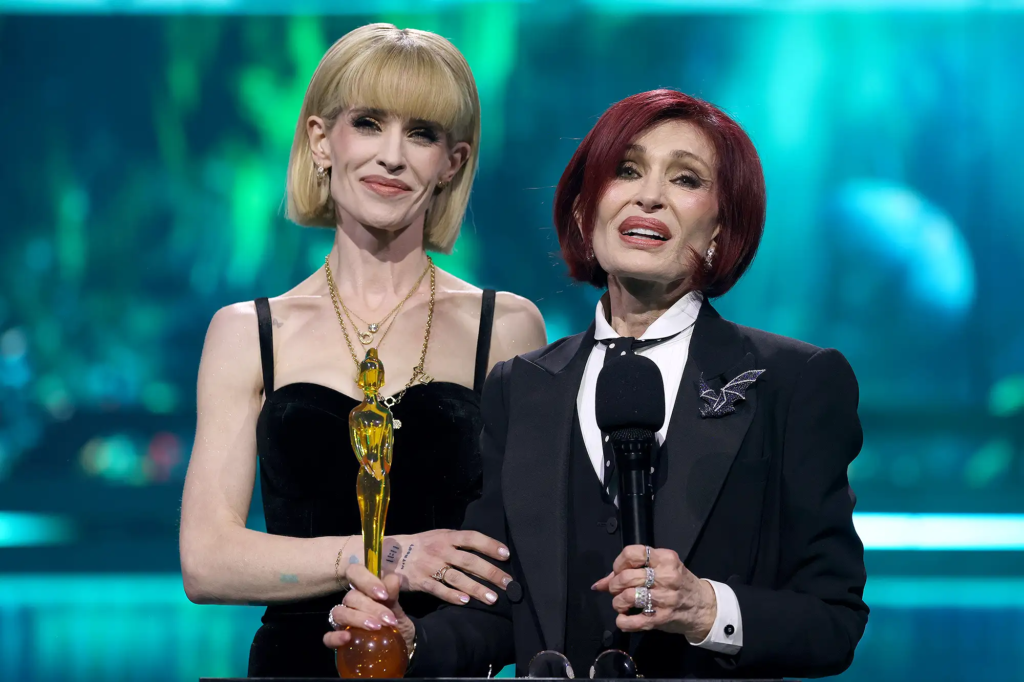
“None of it proves strength,” she went on. “It only reveals a profound absence of compassion and character. I’m currently going through the hardest time in my life. I should not even have to defend myself. But I won’t sit here and allow myself to be dehumanized in such a way!”
In that moment, the Osbournes were facing a familiar tension that so many people in the music world know too well: the line between being a public figure and a private person. Ozzy’s life had been a high‑voltage mix of stage lights and headlines, loyalty and friction. Kelly grew up within that whirlwind, but now, as an adult grappling with loss, the public lens had shifted from her fashion or reality‑TV roles into something far more invasive: her body, her health, the way grief reshapes the way she moves through the world.
On Piers Morgan Uncensored, Sharon made it clear where she stood. “She’s right,” she said, defending Kelly’s anger and exhaustion. “She’s lost her daddy, she can’t eat right now.” For Sharon, the online comments weren’t just harsh—they were a violation of the most basic human decency, the kind of cruelty that mistakes visibility for permission.
And yet, even as the abuse poured in, Kelly was far from alone. The people who knew her best—inside her family and beyond—continued to show up. Lino Carbosiero, the longtime hairstylist who first cut her hair when she was a child, used his own platform on March 3 to gather love and support for her. “Could you please send some love to my dear friend @kellyosbourne,” he wrote. “She’s been so loyal, kind, and supportive to me and my family throughout the years. I’ve been cutting her hair since she was a kid and she is very special to me. Kelly, you only deserve the best! Keep strong xxx.”
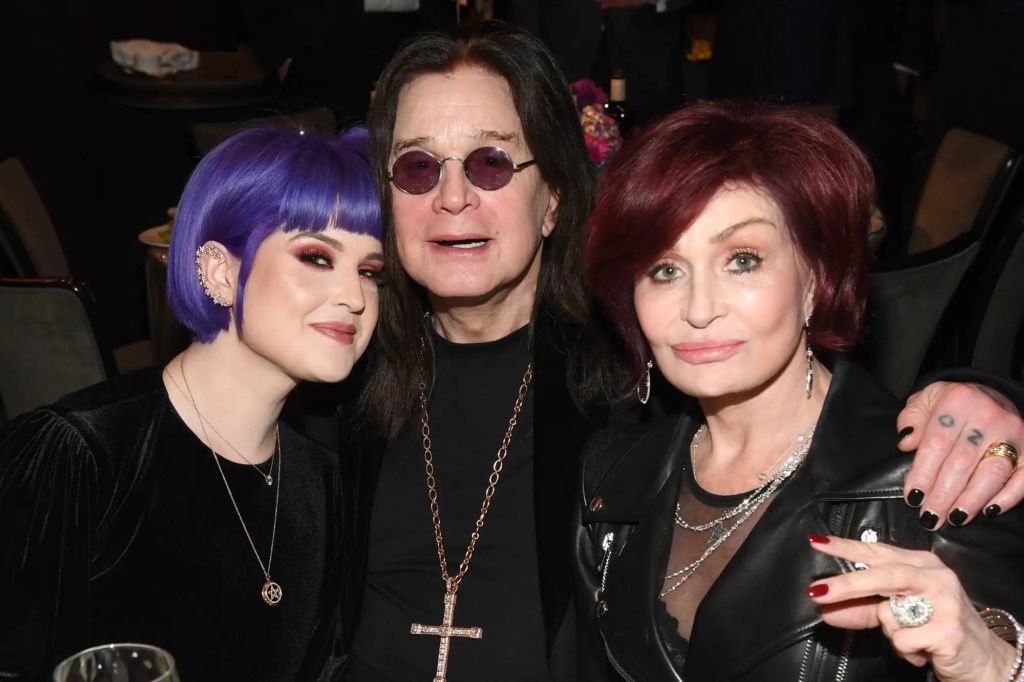
That counterpoint—of quiet, real support standing against the thunder of online cruelty—echoed the part of the music world many fans still believe in: the side that values loyalty, resilience, and the messy, human truth behind the performance. In a way, the Osbournes’ story, right now, feels like a different kind of stage—one where the real drama isn’t in the notes, but in the simple act of defending someone you love, loudly and without shame.
Sharon has always argued that standing up for yourself is rock‑n‑roll. This time, the song she’s singing isn’t about aggression or ego, but protection, grit, and the unbreakable bond between a mother and a daughter who share far more than a famous last name.