The moment the words “Yungblud, ‘Changes’” floated through the Dolby Theatre, the crowd erupted. It wasn’t just a first‑time win for the British alt‑rock artist—it was a moment that felt like a passing of the torch, a quiet “Thank you, Ozzy” shouted into the echo of a stadium‑sized silence. Winning the Grammy for Best Rock Performance, the singer knew instantly that this night wasn’t just about him. It was about the man whose songs first gave him permission to feel anything at all—and whose final live show he’d honored just months earlier.
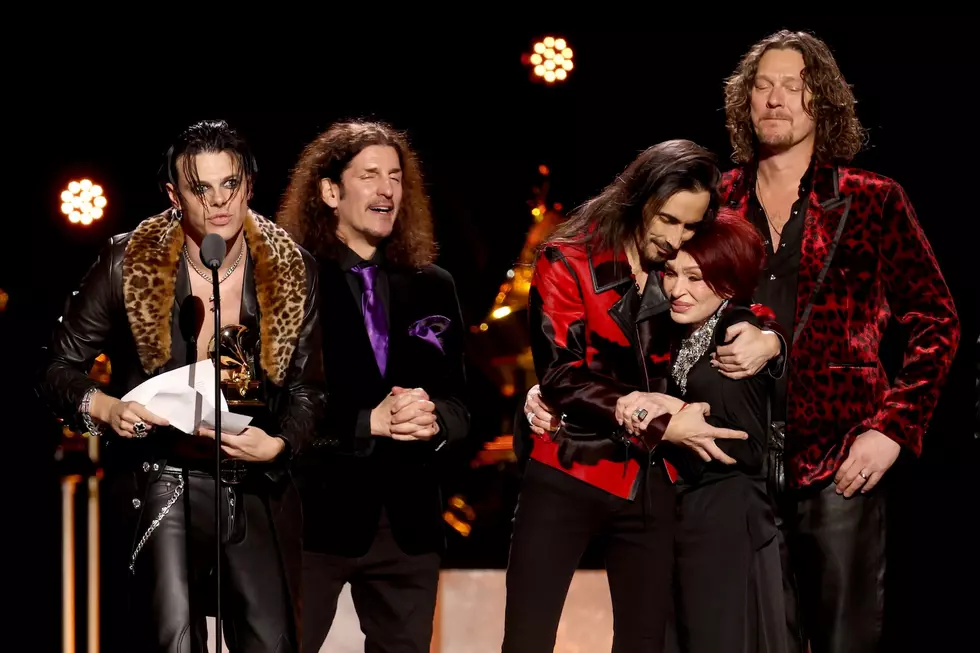
Yungblud’s Grammy win came for “Changes,” a song that had already taken on a life of its own at the Back to the Beginning concert, the star‑studded celebration of Ozzy Osbourne and Black Sabbath held the previous summer. On stage that night, the poet‑punk singer stood shoulder‑to‑shoulder with a makeshift super‑collective that felt like a family tree of rock itself: Frank Bello (Anthrax), Nuno Bettencourt (Extreme), Adam Wakeman (Ozzy Osbourne’s longtime keyboardist), and the masked, enigmatic front‑man II from Sleep Token. The song, already a fragile anthem for transformation, became something bigger— a shared confession from one generation of rockers to the one that laid the foundation.
Now, months after Ozzy’s passing in July, the Grammy sitting in Yungblud’s hands carried the weight of that memory. The win wasn’t just a personal milestone; it was proof that the torch, however battered, still burned.
“We Fucking Love You, Ozzy”
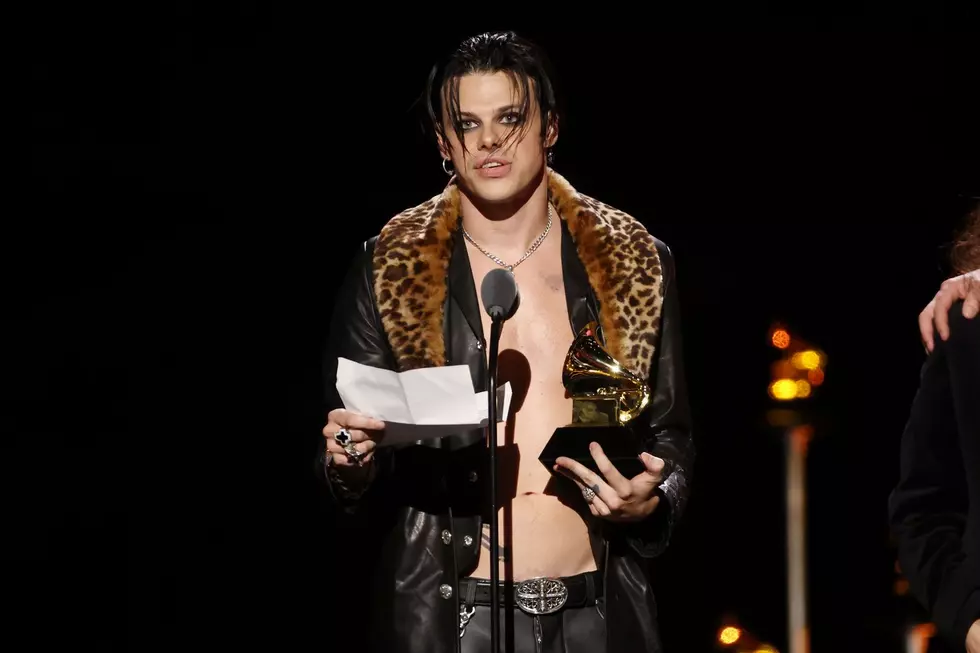
From the stage, the British‑born rocker wrestled his way through the usual rush of nerves, the mic shaking in his hand, the spotlight too bright, the moment too big. But as he collected his thoughts, the speech shifted from gratitude to something quieter and more honest—an open letter to the man who’d helped him become the artist he’d always needed to be.
“To grow up loving an idol who helps you figure out your identity not only as a musician but also as a man is something that I’m truly grateful for,” he said, the words hanging in the air like a confession. “For then to get to know them and form a relationship with them and honor them at their final show—and then receive this—the cost of it is something I and all of us are finding so strange to comprehend.”
The line landed like a punch. The “cost” of grief, the strange weight of triumph shadowed by loss, the way success tastes different when the person who helped you believe in it is gone—all of it sewn into the fabric of his voice. Then, the moment the audience had been waiting for:
“We fucking love you, Ozzy,” he said, the words raw and unfiltered, the kind of shout you yell into the void when you’re not sure you’re being heard. The crowd roared, the moment now etched in memory, the kind of line that might lose its impact in any other context, but here, dripping with honesty, it felt like a promise.
Six Generations in the Name of Rock
Yungblud didn’t stop there. He turned to the Osbourne family, the people who’d kept the flame alive, even as the man himself slipped into legend. “We would all like to thank Sharon, Jack, Kelly and Aimee for this opportunity,” he said, naming the family that had given the world so much more than a catalog. “Everyone at the Back to the Beginning show. The whole band with me right now are six generations who came together in the name of our genre, in the name of Sabbath and the name of Ozzy Osbourne.”
It was a poignant reminder that rock, in all its forms, is a conversation across generations. The teen scribbling lyrics in a cramped bedroom, the parent who hums along to “Paranoid” in the kitchen, the kid in the back row of a live show, the grandmother who still keeps an old Sabbath album dusty on the shelf—it’s all part of the same story. The band standing onstage with Yungblud weren’t just his collaborators; they were emissaries of a sound that had outlived fads, survived trends, and kept echoing through time.
Rock was still alive. It just had a new voice.
Rock Is Coming Back
The emotional weight didn’t stop him from turning the speech into something defiant, too. “I want to thank my team and everyone on all their teams,” he continued, his voice growing steadier. “I deeply love this genre. It’s all I’ve ever known.”
The words carried a quiet nostalgia, the kind that comes from being raised in garages and basements, on the fringes of mainstream relevance. “I want to dedicate this to everyone in the guitar shop I grew up in,” he said, the image of cluttered racks, dusty textbooks, and the faint strumming of a beginner’s first chord rising to mind. “And everyone in a guitar shop or a bedroom with a dream.”
Yungblud has always been a standard‑bearer for the outsiders, the weird kids, the ones who wear their allegiance to punk and alternative on their sleeves. In that moment, he turned his Grammy into a beacon for anyone who still believes rock music can be a rebellion, not a nostalgia act. “Rock music is coming back,” he declared, the line landing like a warning to the pop charts. “Watch out pop music, we’re gonna fuckin’ get ya.”
The Last Time He Saw Ozzy
The speech still had one more knot to untie, one more memory to honor. Yungblud reached back to the last time he’d seen Ozzy, the encounter that had quietly reshaped the way he thought about fame, legacy, and the quiet kindness that can exist between two people from different worlds.
“The last time I saw Ozzy Osbourne, you asked if there’s anything you could do for me,” he recalled, the memory slipping out like a soft confession. “I answered the music was enough.”
The line landed with a quiet beauty. Ozzy, the innovator, the survivor, the man who’d spent half a century redefining the limits of rock, had asked if he could do something more for the kid who’d followed in his footsteps. The answer wasn’t a request for a favor, a deal, or a spotlight. It was the admission that his songs, his presence, his courage had already given Yungblud everything he needed: permission to be himself, to be loud, to be real.
“And I can safely say on behalf of all of us that still stands now and will forever,” Yungblud added, the words wrapping back around the theme of the night. “You’ll be with me every time I’m nervous and onstage at every show.”
It was a promise, too—that as long as guitar strings could be strummed, as long as teens in bedrooms kept scribbling chords on napkins, Ozzy would be there, in the echo of every riff, in the shaking hands of every nervous lead singer, in the quiet hum of every song that refused to let go.
“God Bless Rock Music”
The speech ended with a line that felt less like a closing and more like a benediction. “God bless rock music,” Yungblud said, the words lingering like a hymn. “And god bless fucking Ozzy Osbourne.”
It wasn’t flowery. It wasn’t restrained. It was the kind of tribute you’d shout at a campfire, the kind of punchline you’d scream into the sky after a long night of songs and stories. The Dolby Theatre, the lights, the cameras, the glittering crowd—it all faded for a moment, and what remained was a kid from Doncaster, a microphone, a trophy, and a legacy too big to hold.
For fans old and new, the moment distilled into a single, unspoken truth: rock music isn’t a relic. It’s a living thing, passed down like a family heirloom, polished by every generation that dares to keep it loud.
And as Yungblud raised his Grammy, tears still drying on his cheeks, the echo of his final words settled in: God bless rock music. God bless Ozzy. And, somewhere in the back of the room, the faint hum of a guitar, tuned to the next song waiting to be written.