Most unforgettable concerts happen inside packed venues under bright lights and carefully planned production. But sometimes the performances people remember most happen in places where no one expects them at all.
That was exactly the case when Keith Harkin surprised Philadelphia with an intimate street performance that quickly transformed an ordinary city afternoon into something people would continue talking about long after the final note faded away.
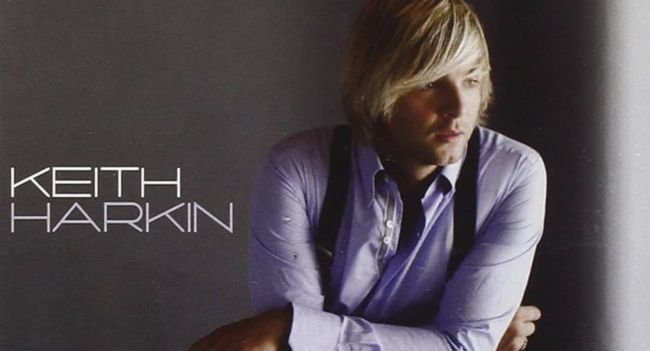
As summer slowly came to a close, pedestrians moving through the city suddenly found themselves stopping in the middle of busy sidewalks as the familiar Celtic Thunder singer-songwriter began performing an acoustic version of his song “Don’t Forget About Me.” There was no stage separating him from the crowd, no elaborate sound system, and no production designed to create atmosphere. Just Keith Harkin, a guitar in his hands, and fellow musician Dave Bakey accompanying him during an impromptu performance that felt spontaneous, personal, and remarkably genuine.
At first, the scene seemed almost understated. The sounds of the city still moved around them while people passed by without fully realizing what they were hearing. But as the song unfolded, the atmosphere on the street began to shift.
Conversations quieted. Pedestrians slowed down. Some people stopped completely.
The performance carried the kind of intimacy usually reserved for small acoustic venues, yet it was happening openly in the middle of Philadelphia traffic and city noise. That contrast made the moment feel almost cinematic—an unexpected pocket of stillness created entirely through music.
What truly captured people’s attention, however, was Harkin’s voice.
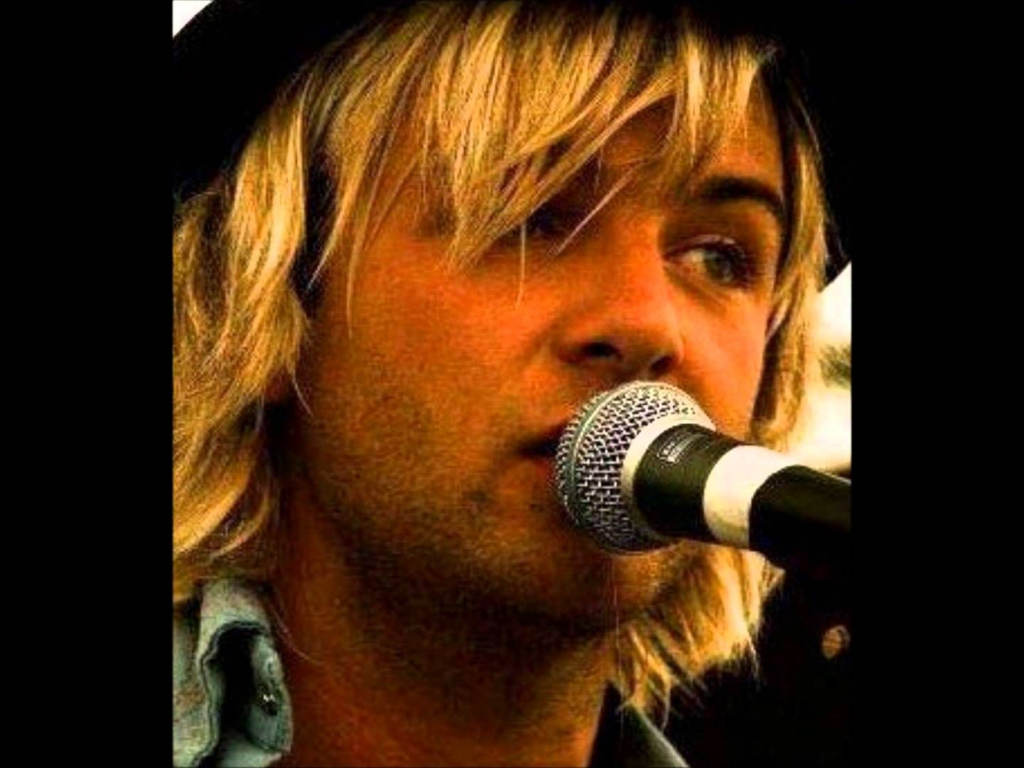
As the song built emotionally, Keith Harkin reached for the higher notes near the very top of his vocal range. Instead of sounding strained or overly controlled, the notes rang out clearly through the open air, carrying across the street with a natural clarity that surprised everyone listening nearby. Without studio effects or polished production to rely on, every part of the performance felt exposed in the best possible way.
Fans later described those moments online with overwhelming admiration. Some called the performance “absolutely beautiful,” while others praised the musicianship by describing it as “Class A sing’n and pick’n.” A few listeners even admitted the song affected them so deeply that it became one of those rare performances they never fully forgot.
What made the moment resonate so strongly was not simply technical ability. It was the emotional honesty behind the performance.
Keith Harkin delivered the song with the kind of vulnerability that only comes when an artist is fully connected to the material being performed. “Don’t Forget About Me” never felt treated as just another song in a setlist. Instead, every lyric carried the weight of something personal, which made the performance feel immediate and sincere rather than rehearsed.
Some listeners standing nearby initially believed the music had to be coming from a recording. The vocals sounded so clean and controlled that several people assumed someone was playing studio audio through speakers hidden somewhere nearby. It was only after they moved closer that they realized the voice echoing through the street belonged to Harkin himself, performing live only a few feet away.
Once that realization spread, more people gathered around to hear the final moments of the song.
For many fans, the performance became memorable not only because of its musical quality, but because of the emotional timing attached to it. Several listeners later shared that “Don’t Forget About Me” had entered their lives during difficult personal periods, offering comfort, motivation, or simply the feeling that someone understood what they were carrying emotionally.
That reaction has followed the song for years.
Longtime followers of Keith Harkin and Celtic Thunder often point to performances like this as the reason Harkin has remained such a distinctive presence both within the group and as a solo artist. His ability to strip music down to its emotional core has always separated him from performers who rely heavily on production or spectacle.
One fan summed up the Philadelphia moment perfectly by writing, “How lucky those people were to see you and Dave perform like that.” Another shared a more personal reflection, explaining that the song had arrived “at exactly the perfect time” in their life and had helped them through circumstances they were struggling to navigate.
As clips of the performance spread online, comments began arriving from listeners around the world. Some fans recalled discovering Harkin years earlier through Celtic Thunder before following his solo work closely ever since. Others expressed hopes of one day seeing him perform live during a future European tour.
Again and again, listeners returned to the same point: the authenticity of the performance.
One admirer captured that feeling simply by writing, “Those high notes are right at the top of his range, and they still came out clear as a bell.” In an era where heavily edited vocals and digital correction have become common across the music industry, performances like this stand out precisely because there is nowhere to hide. Every note depends entirely on the artist.
And Keith Harkin delivered.
What could have passed as a casual street performance ultimately became something much more meaningful—a reminder of how powerful live music can feel when stripped of everything unnecessary. No elaborate stage design. No visual distractions. Just musicians standing in the middle of a city, creating a moment real enough to stop strangers in their tracks.
“Don’t Forget About Me,” written and performed by Harkin himself, has since become one of the most beloved songs in his catalog. Fans continue to connect deeply with its emotional lyrics and soaring melody, often sharing stories about how the song helped them through heartbreak, uncertainty, or periods of change.
While studio recordings highlight the polished craftsmanship behind Harkin’s songwriting, performances like the one in Philadelphia reveal something even more important: the emotional heart underneath the music.
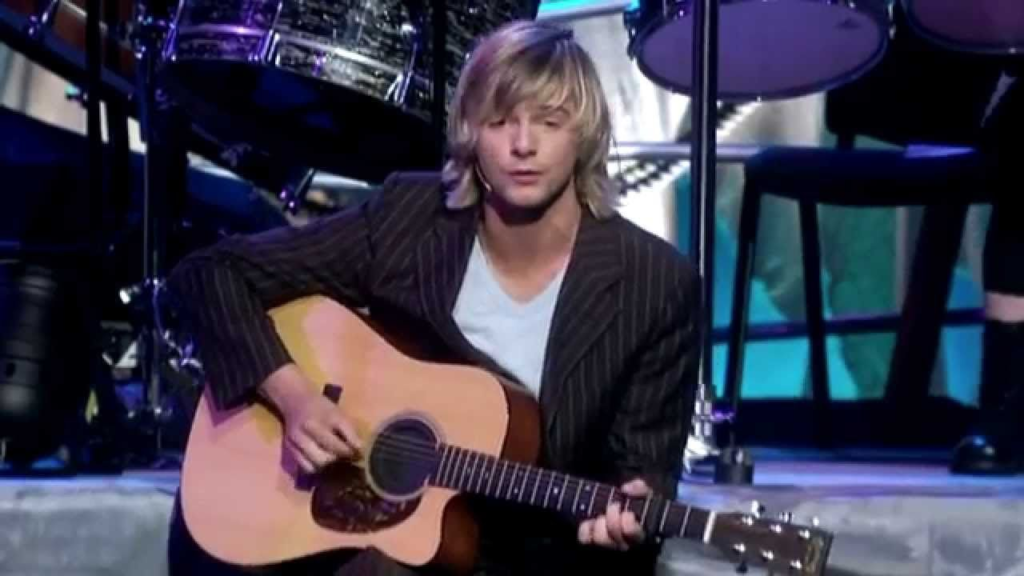
Whether performing on major stages, recording in a studio, or unexpectedly singing on a city street corner, Keith Harkin has developed a rare ability to make listeners feel personally connected to his songs. His music never feels distant from the audience. It feels shared.
And on that Philadelphia street corner, surrounded by strangers who suddenly stopped to listen, Keith Harkin created the kind of moment music fans spend years hoping to experience—a performance that felt honest, human, and impossible to walk away from unchanged.
By the end of the song, one feeling seemed to unite nearly everyone who heard it:
There was simply no way anyone was going to forget Keith Harkin after that.