There are moments in music that don’t just echo through the speakers—they echo through your life. Ozzy Osbourne’s final performance of “Mama, I’m Coming Home” wasn’t just another song closing a concert. It was a raw, trembling farewell from a man who has lived, suffered, loved, and survived in ways few can imagine.
It was never just a song. It was Ozzy’s confession, wrapped in melody, offered to the world one last time.
Released in 1991, “Mama, I’m Coming Home” came during a season when Ozzy, having survived decades of addiction, chaos, and near self-destruction, was learning to look backward and forward at once. The world knew him as the “Prince of Darkness,” a wild, reckless force who defied death repeatedly. But beneath the legend was a man grappling with his own fragility—and the person who anchored him through every storm was Sharon Osbourne, the “Mama” in the song’s title.
She was never just his wife. She was his lifeline, the one who stood by his side when the industry turned its back, who carried him from backstage collapses, who fought for his health and his future when he no longer had the strength to fight for himself.
Ozzy’s voice in this song was never the scream of heavy metal rage but the soft ache of a tired soul longing for peace. “I’ve seen your face a hundred times, every day we’ve been apart,” he sings—not with fury, but with the tender exhaustion of a man who finally understands the cost of his choices.
Born John Michael Osbourne in the industrial grit of Birmingham, England, Ozzy grew up in poverty, surviving hardship and finding trouble that would land him in jail. Music was his escape hatch, but even the dream of fame with Black Sabbath couldn’t quiet the demons that stalked him.
Addiction nearly ended everything. He was ousted from Black Sabbath in 1979 because of his substance abuse, losing friends, opportunities, and countless days to the haze of drugs and alcohol. Yet even in his darkest moments, something inside him kept fighting to live. That flicker of willpower, paired with Sharon’s unyielding devotion, brought him back time and again.
“Mama, I’m Coming Home” was more than a charting single; it was a living testament of gratitude, regret, and a promise to return—not just to a person, but to himself.
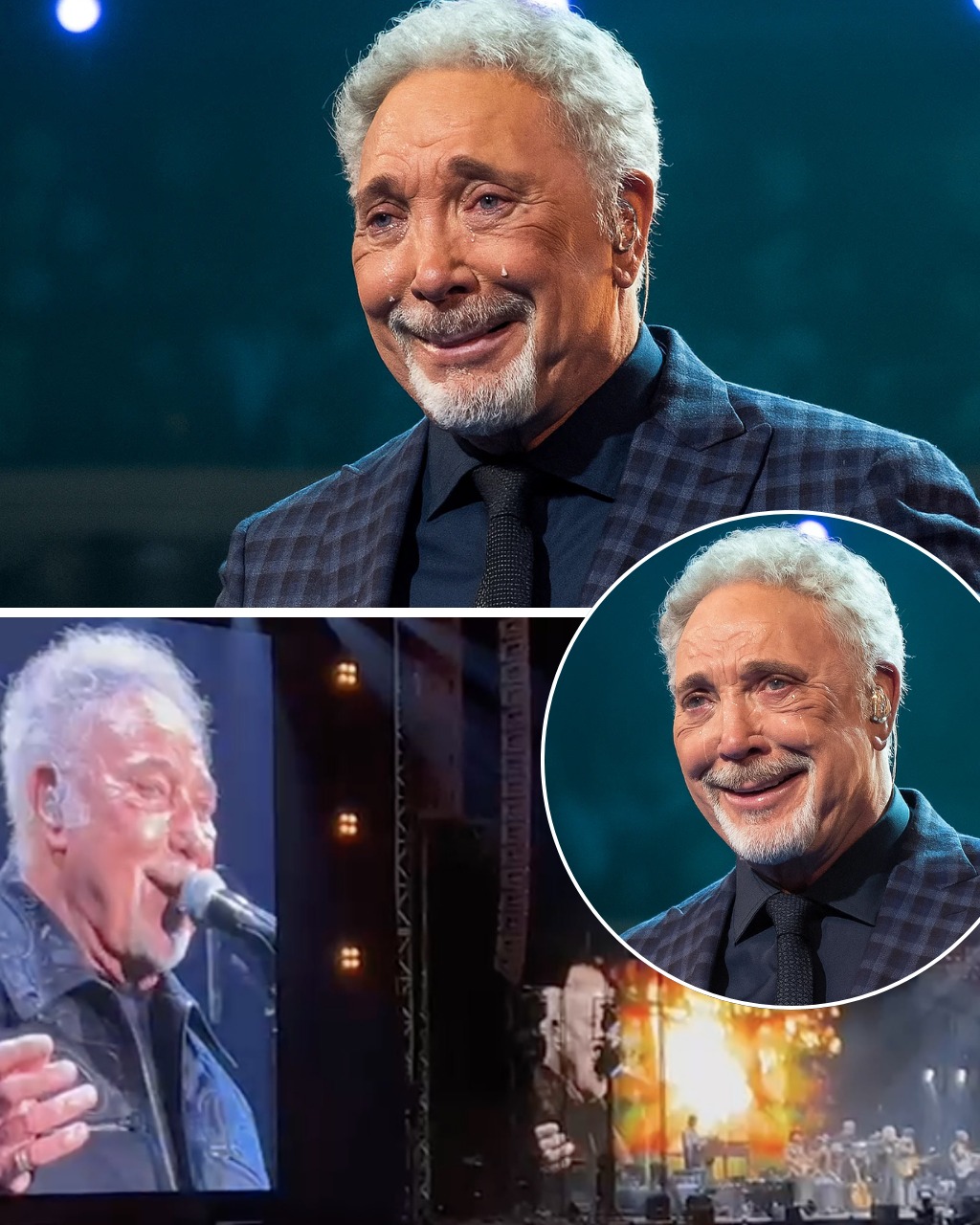
Fast forward to his final performance: Ozzy, now frail, his frame carrying the weight of Parkinson’s disease and the pain of multiple surgeries, stood before thousands for one last song. The stage that once witnessed his madness now bore witness to his vulnerability.
The moment the first notes of “Mama, I’m Coming Home” rang out, time itself seemed to hold its breath.
Dressed in black, eyes reflecting every storm he had weathered, Ozzy’s voice broke—not out of weakness, but out of sincerity. It was the sound of a soul letting go. Fans who had followed him through every rise and fall stood silently, many in tears, as he sang:
“You took me in and you drove me out, yeah, you had me hypnotized…”
There are moments in music that don’t just echo through the speakers—they echo through your life. Ozzy Osbourne’s final performance of “Mama, I’m Coming Home” wasn’t just another song closing a concert. It was a raw, trembling farewell from a man who has lived, suffered, loved, and survived in ways few can imagine.
It was never just a song. It was Ozzy’s confession, wrapped in melody, offered to the world one last time.
Released in 1991, “Mama, I’m Coming Home” came during a season when Ozzy, having survived decades of addiction, chaos, and near self-destruction, was learning to look backward and forward at once. The world knew him as the “Prince of Darkness,” a wild, reckless force who defied death repeatedly. But beneath the legend was a man grappling with his own fragility—and the person who anchored him through every storm was Sharon Osbourne, the “Mama” in the song’s title.
She was never just his wife. She was his lifeline, the one who stood by his side when the industry turned its back, who carried him from backstage collapses, who fought for his health and his future when he no longer had the strength to fight for himself.
Ozzy’s voice in this song was never the scream of heavy metal rage but the soft ache of a tired soul longing for peace. “I’ve seen your face a hundred times, every day we’ve been apart,” he sings—not with fury, but with the tender exhaustion of a man who finally understands the cost of his choices.
Born John Michael Osbourne in the industrial grit of Birmingham, England, Ozzy grew up in poverty, surviving hardship and finding trouble that would land him in jail. Music was his escape hatch, but even the dream of fame with Black Sabbath couldn’t quiet the demons that stalked him.
Addiction nearly ended everything. He was ousted from Black Sabbath in 1979 because of his substance abuse, losing friends, opportunities, and countless days to the haze of drugs and alcohol. Yet even in his darkest moments, something inside him kept fighting to live. That flicker of willpower, paired with Sharon’s unyielding devotion, brought him back time and again.
“Mama, I’m Coming Home” was more than a charting single; it was a living testament of gratitude, regret, and a promise to return—not just to a person, but to himself.
Fast forward to his final performance: Ozzy, now frail, his frame carrying the weight of Parkinson’s disease and the pain of multiple surgeries, stood before thousands for one last song. The stage that once witnessed his madness now bore witness to his vulnerability.
The moment the first notes of “Mama, I’m Coming Home” rang out, time itself seemed to hold its breath.
Dressed in black, eyes reflecting every storm he had weathered, Ozzy’s voice broke—not out of weakness, but out of sincerity. It was the sound of a soul letting go. Fans who had followed him through every rise and fall stood silently, many in tears, as he sang:
Every word struck with the weight of a man who had lived every consequence and every miracle. It was less a performance and more a final, whispered prayer—an acknowledgment of mistakes made, love given and received, and a life that was never perfect, but fully lived.
When he sang, “Mama, I’m coming home,” it wasn’t just a promise to Sharon. It was a promise to himself. A promise that, after decades of chaos, he was ready to return to peace, to simplicity, to the quiet truth of who he was when the lights faded.”
In that moment, Ozzy wasn’t the bat-biting, chaos-summoning rock icon. He was just a man, stripped of spectacle, letting the world see the heart behind the legend.
And that’s why it mattered.
For those who witnessed it, this wasn’t just a concert. It was a goodbye that will live within them forever, a reminder that even those who roar loudest into the night must one day rest, and even the heaviest hearts can find their way home.
If you haven’t yet watched Ozzy’s final performance of “Mama, I’m Coming Home,” don’t put it off. Let it shake you. Let it remind you that the greatest power of music isn’t in its volume, but in its truth.
Because legends don’t always leave with a scream. Sometimes, they leave with a song so honest it quiets the world—and in that silence, you realize what it means to come home.